
Tools
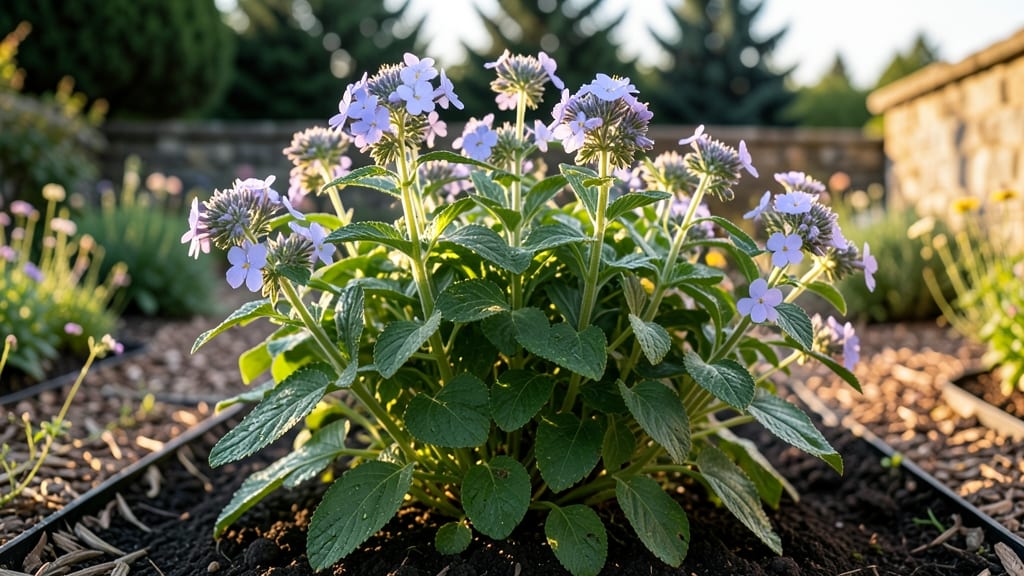
Garden trivia questions and answers challenge your plant knowledge with fascinating insights like how Venus flytraps digest insects using specialized enzymes or how bristlecone pines can live over 5,000 years. These fun facts span botany, plant history, and unexpected behaviors that even expert gardeners might not know.
These questions aren't just fun—they're packed with science! For example, did you know some plants like the pitcher plant lure prey with sweet nectar before digesting it? 🌱 Or that the tallest tree on Earth, a coast redwood, can grow over 379 feet tall?
I use these facts to spark curiosity in my own garden—whether explaining why certain flowers bloom at night or how deep roots help plants survive droughts. The best part? You can turn any garden walk into a learning experience with just a few well-placed trivia tidbits.
For practical use, I've found these facts work perfectly for teaching kids about plant life cycles or hosting themed garden events. A simple question like "Which plant can move its leaves to track the sun?" (sunflowers!) gets everyone engaged while teaching real botany.
The key is balancing fun with education—so even if someone gets stumped, they leave knowing something new about the natural world.
💡 In This Article
- Science Behind Unusual Plant Facts
- How to Use Garden Trivia for Plant Education
Science behind unusual plant facts
The Venus flytrap’s snapping jaws are powered by a rapid electrochemical reaction. When tiny hairs on its leaves are triggered by prey, the plant’s cells release potassium ions, causing water to rush in and create internal pressure.
This process happens in just 0.1 seconds, generating enough force to snap shut with 0.5 joules of energy—about the same force as a human finger snap! The enzymes inside then break down the insect’s proteins into absorbable nutrients, proving plants can be both hunters and digesters. 🌿
Some plants, like the bioluminescent Berberis (barberry), produce light through a chemical reaction involving luciferin and luciferase—similar to fireflies. This glow, called bioluminescence, helps attract pollinators in dark environments.
Meanwhile, the deep roots of bristlecone pines extend 40-60 feet underground to tap into ancient groundwater, allowing them to survive extreme droughts. Their thick, resinous bark also protects against wildfires, a survival trick that’s earned them the title of Earth’s oldest living organisms.
Symbiotic relationships drive many plant adaptations. Mycorrhizal fungi, for example, form partnerships with tree roots, exchanging water and nutrients for sugars produced by photosynthesis. This underground network can span entire forests, helping plants communicate threats like insect attacks through chemical signals.
Even seed dispersal relies on clever tricks—like the 100 mph ejection of dandelion seeds or the sticky burrs that hitch rides on animals.
Climate plays a huge role in these quirks. Desert plants like the Welwitschia mirabilis have evolved to survive with almost no rain, growing just 2 new leaves per year while living for over 1,000 years.
Meanwhile, tropical plants thrive in humidity, using large leaves to maximize photosynthesis. The science behind these adaptations shows how plants constantly innovate to survive—whether through predation, symbiosis, or sheer resilience. 🌍
Even photosynthesis has surprising variations. Some plants, like the Peppertree, use a process called CAM photosynthesis, opening their stomata at night to conserve water—a perfect adaptation for arid climates. Others, like the Pitcher plant, lure insects with sweet nectar before drowning them in digestive fluids.
These mechanisms reveal how plants have evolved to exploit every ecological niche, from the driest deserts to the wettest rainforests.
Understanding these facts transforms gardening from a hobby into a science adventure. Next time you see a Venus flytrap or a towering redwood, you’ll know the incredible biology behind their existence—and how they’ve mastered survival against all odds.
The garden becomes a living lab where every plant tells a story of adaptation and ingenuity. 🌱