
Container Gardens
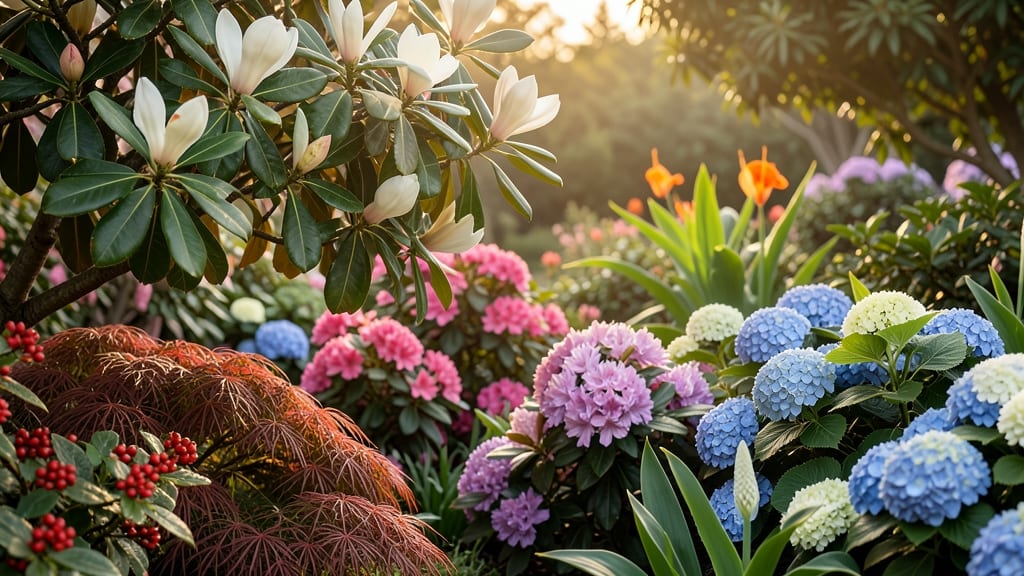
The botanical gardens in Fort Bragg feature stunning displays of native Carolina plants alongside rare orchids and pollinator-friendly species, all set against historic military landscapes. Key spots like the Fort Bragg Botanical Garden and Pope Air Force Base’s Plant Conservation Area offer guided tours and vibrant seasonal blooms throughout the year.
These gardens serve as living laboratories for preserving North Carolina's unique biodiversity. 🌿 The Fort Bragg Botanical Garden highlights rare species like American ginseng and Venus flytraps while demonstrating sustainable landscaping techniques. Military installations often become unexpected sanctuaries for endangered flora, with carefully managed zones that mimic natural ecosystems.
Visitors can explore woodland gardens, meadows, and aquatic plantings that showcase how these species thrive in their native habitats.
Beyond their ecological importance, these gardens offer practical benefits for the local community. The Pollinator Pathway provides crucial habitat for bees and butterflies, while the Heritage Trail connects visitors to Fort Bragg's military history through horticultural displays.
Seasonal highlights include spring azaleas and fall asters, making these gardens ideal for nature photography and family outings.
💡 In This Article
- Exploring Fort Bragg’s Native Plant Ecosystems
- Guided Tours and Seasonal Highlights at Fort Bragg Gardens
Exploring Fort Bragg’s native plant ecosystems
The botanical gardens at Fort Bragg are more than just scenic displays—they’re active conservation hubs designed to preserve North Carolina’s native flora.
These gardens focus on species like American ginseng (Panax quinquefolius), a slow-growing root plant that’s critically endangered due to overharvesting, and the Venus flytrap (Dionaea muscipula), a carnivorous plant that thrives in the boggy conditions of the region’s wetlands. 🌿 The gardens replicate these plants’ natural habitats through adaptive landscaping, using soil mixes that mimic the acidic, nutrient-poor conditions where these species evolved.
Three distinct zones demonstrate how these ecosystems function: the woodland garden features towering loblolly pines (Pinus taeda) and understory plants like trillium (Trillium grandiflorum), which rely on fungal networks for nutrient exchange; the meadow zone showcases native grasses like little bluestem (Schizachyrium scoparium) that support pollinators; and the aquatic garden replicates the Carolina bay wetlands where Venus flytraps hunt insects.
Each zone uses xeriscaping techniques—water-efficient landscaping—that reduces irrigation needs by up to 70% while maintaining biodiversity.
What makes these gardens unique is their role in military land stewardship. Fort Bragg’s 160,000-acre base includes 12,000 acres of managed natural areas, where controlled burns (conducted in late winter) prevent invasive species like kudzu from taking over.
These burns also stimulate native plants like black-eyed Susan (Rudbeckia hirta), which blooms profusely after fire. The gardens serve as living classrooms for military personnel, teaching sustainable land management techniques that can be applied globally.
Visitors often overlook how these gardens balance aesthetics with science. For example, the pollinator-friendly plantings include bee balm (Monarda fistulosa), whose tubular flowers attract hummingbird moths, and purple coneflower (Echinacea purpurea), which supports over 100 species of native bees.
The gardens track pollinator activity using citizen science methods, where visitors can log sightings of monarch butterflies or bumblebees through a mobile app—turning a leisurely walk into a conservation effort.
The adaptive landscaping here isn’t just about survival—it’s about resilience. Native plants like switchgrass (Panicum virgatum) have deep root systems that stabilize soil during heavy rains, reducing erosion by up to 90% compared to non-native turfgrass.
This approach mirrors the Fort Bragg Environmental Division’s goal of restoring 500 acres of degraded land by 2025, proving that military installations can lead in ecological restoration.
For those curious about the science behind these gardens, the Fort Bragg Arboretum offers free workshops where experts explain how mycorrhizal fungi (symbiotic root fungi) boost plant growth.
You can even see these fungi in action during the fall mushroom forays, where species like morels (Morchella) emerge after controlled burns. 🍄 These programs reveal how deeply interconnected the gardens’ ecosystems truly are.