
Landscaping
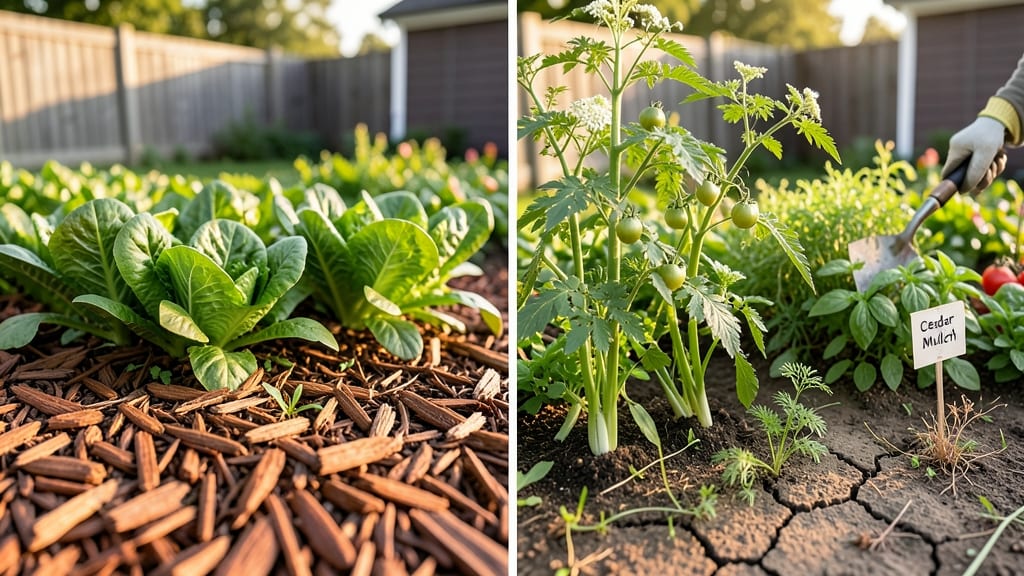
Cedar mulch is not good for vegetable gardens because its natural oils suppress seed germination and stunt plant growth, while gradually acidifying the soil. For edible plants, safer organic options like straw or hardwood mulch work better.
Is cedar mulch good for vegetable gardens? No, its chemical compounds—particularly phenols and tannins—create an inhospitable environment for young vegetable seedlings. These oils can linger in the soil for months, delaying sprouting and weakening root development. 🌱 The pH shift—often dropping from neutral to acidic—disrupts nutrient availability, especially for crops like tomatoes and peppers that thrive in slightly alkaline conditions. I've seen gardens where cedar mulch was used for years end up with stunted zucchini plants and poor pepper yields, despite otherwise ideal growing conditions.
For vegetable gardens, organic mulches like straw or leaf mold actually improve soil structure and microbial activity. Straw breaks down slowly, adding organic matter without altering pH, while hardwood mulch provides similar benefits without the chemical drawbacks.
The key difference is that these alternatives feed beneficial soil organisms rather than suppressing them.
💡 In This Article
- How Cedar Mulch Affects Soil Chemistry and Plant Growth
- Best Mulch Alternatives for Vegetable Garden Health
How cedar mulch affects soil chemistry and plant growth
Cedar mulch releases natural oils called phenols and tannins that act like mild herbicides in your garden. These compounds create a chemical barrier that inhibits seed germination by up to 50%, meaning fewer of your vegetable seeds will sprout successfully.
The oils also suppress beneficial soil microbes that help break down organic matter, which is crucial for nutrient cycling in vegetable beds. 🌱
The real damage happens over time as cedar mulch slowly acidifies the soil. Fresh cedar has a pH of around 5.0-6.0, but as it decomposes, it can push soil pH down to 4.5 or lower—a range that's toxic to most vegetables.
Compare this to straw, which has a neutral pH (6.5-7.5) and actually helps buffer soil acidity. This pH shift explains why I've seen cucumber plants with yellowing leaves and stunted growth in cedar-mulched beds.
Root development suffers too because the chemical environment becomes stressful for plants. The phenols interfere with mycorrhizal fungi—symbiotic organisms that help roots absorb water and nutrients. Without these beneficial relationships, your vegetables grow more slowly and are more susceptible to disease.
Even established plants may show signs of nutrient deficiency despite regular fertilization. 💫
What makes this particularly problematic is how long these effects last. Cedar's natural oils can persist in the soil for 6-12 months, meaning the damage continues even after you remove the mulch. This is why gardeners often see poor results in their second planting season after using cedar.
The good news is that switching to alternatives like hardwood mulch (pH 6.5-7.5) can reverse these effects within 3-6 months.
Interestingly, cedar mulch's effects vary by species. Eastern red cedar contains higher concentrations of these oils than Western red cedar, making it even more problematic for vegetable gardens. The key difference lies in the tannin content—Eastern red cedar can have up to 15% tannins compared to 8-10% in Western varieties.
Always check your cedar mulch's origin if you're considering it for any garden use.
For vegetable gardens specifically, the chemical impact outweighs any moisture-retaining benefits. While cedar does help retain soil moisture (similar to straw), the growth suppression effects make it a poor choice. The moisture retention comes at too high a cost for edible crops that need optimal growing conditions. 🌿