I remember the first tomato I grew from seed—it was tiny, red, and tasted like sunshine on a summer afternoon. That moment hooked me for life. Now, I spend my days digging into soil, chasing the perfect bloom, and sharing the little joys of gardening that make it all worthwhile. This site is where I pass along the lessons I’ve learned, the plants that thrive in my zone, and the quiet magic of watching something grow from nothing.
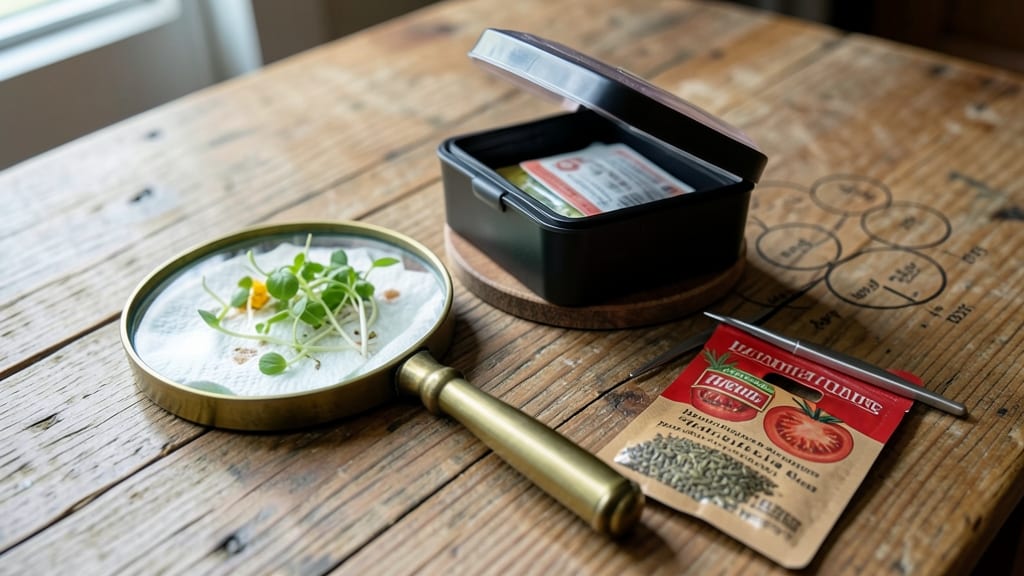
💥 Quick Answer Garden seeds typically remain viable for 1 to 5 years , depending on the type—vegetables like onions and leeks last 1–2 years, while beans and peas can stay good for 3–5 years. Proper storage in a cool…
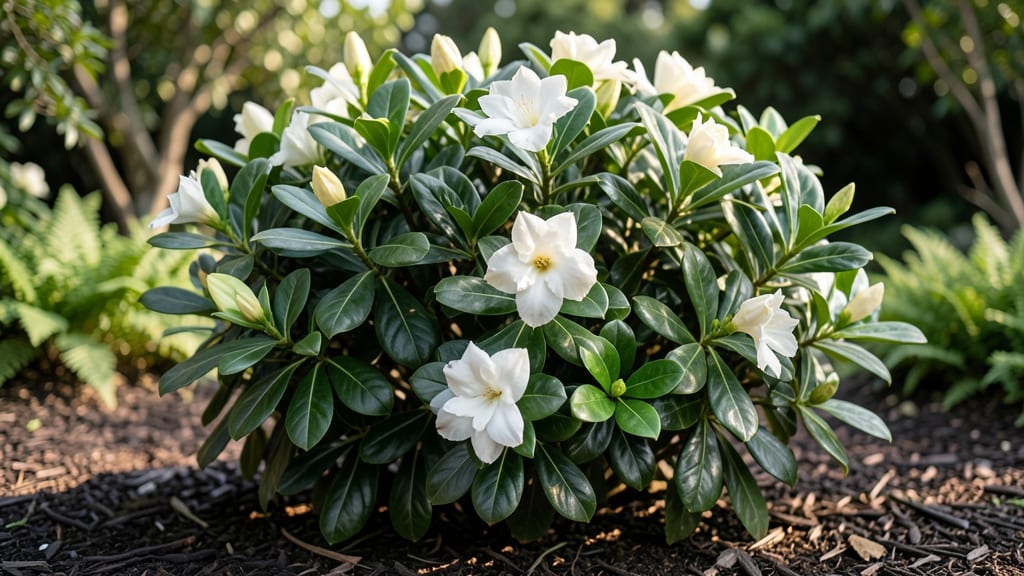
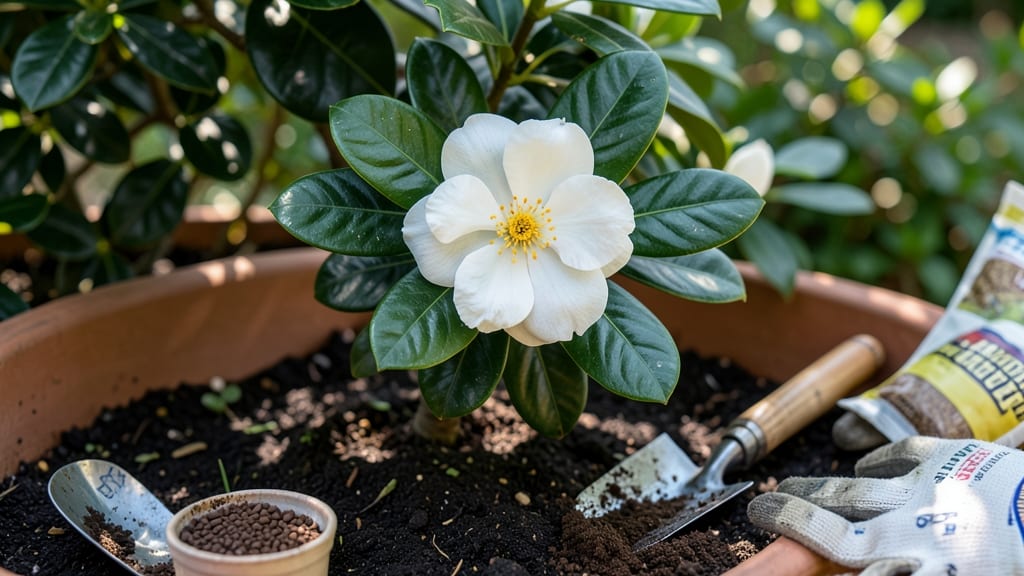
💥 Quick Answer Determining the right USDA zone for a gardenia bush is crucial, as these plants flourish best in Zones 7 through 10. Their tropical nature makes them highly sensitive to frost, so understanding your local…
💥 Quick Answer For allotment gardening gifts, prioritize practical tools like ergonomic pruners, heirloom seed collections, or personalized plant care accessories that enhance the gardening experience. Thoughtful…
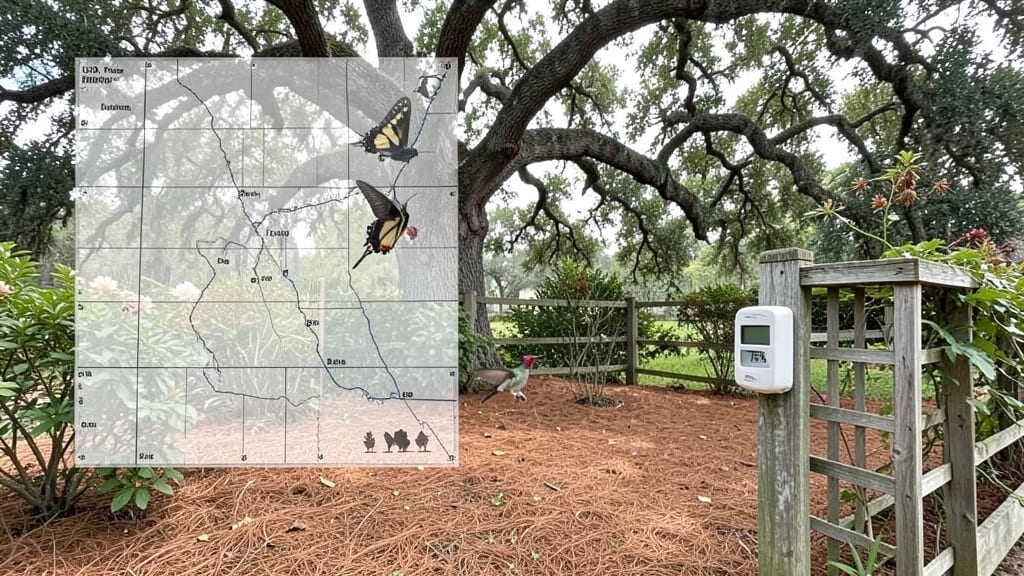
💥 Quick Answer Understanding Louisiana gardening zones means focusing on USDA Hardiness Zones 7b through 9a, where frost-free dates range from late February in southern areas to mid-March in northern regions. These…
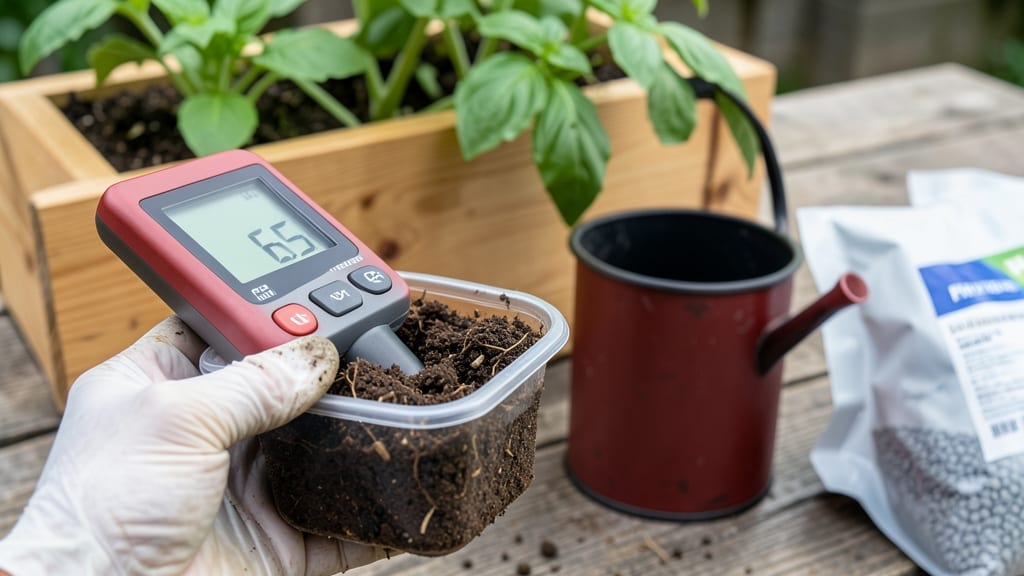
💥 Quick Answer A garden pH meter measures soil acidity or alkalinity by calibrating with buffer solutions at pH 4.0 and 7.0, inserting the probe into moist soil, and waiting 30-60 seconds for a stable reading. This…
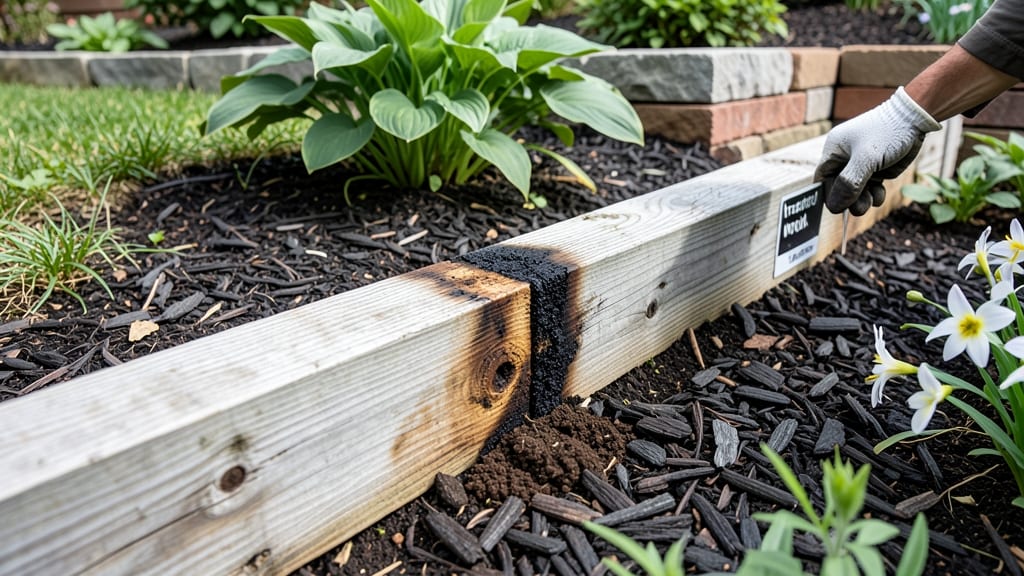
💥 Quick Answer Railroad ties are not safe for gardens because they contain hazardous chemicals like lead and creosote, which can leach into soil and pose serious risks to plants, pets, and humans. Choose untreated wood…
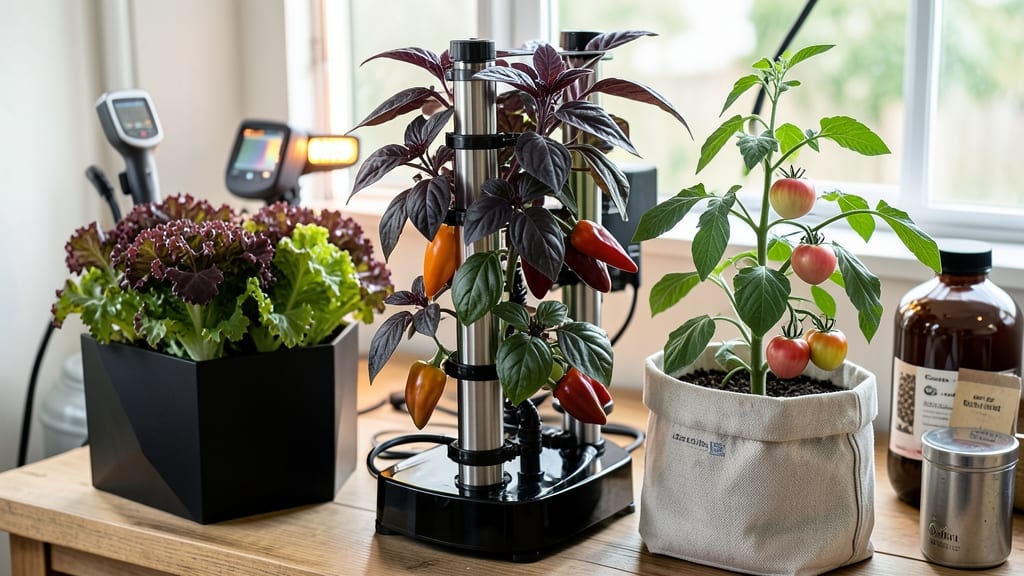
💥 Quick Answer Next-level gardening YouTube channels provide expert-led training in hydroponics, permaculture, and vertical farming systems, plus deep dives into plant biology, soil health, and eco-friendly cultivation…
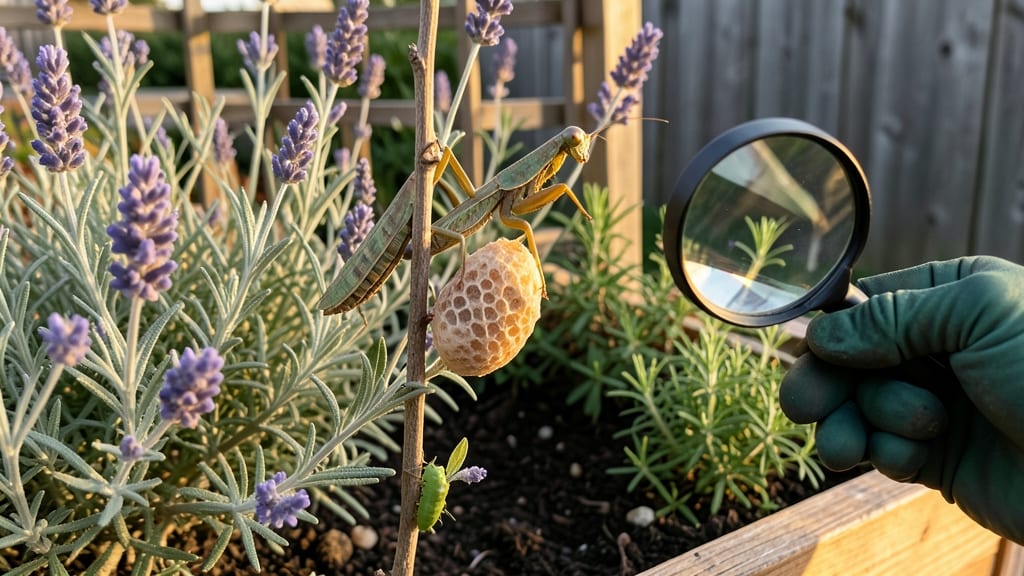
💥 Quick Answer Praying mantises are good for gardens as excellent natural pest controllers, targeting destructive insects like aphids, beetles, and caterpillars—but their appetite for beneficial pollinators like bees…
💥 Quick Answer Using coffee grounds for gardenias provides acidity and nutrients that mimic their natural soil preferences, but apply sparingly—too much can harm roots or attract pests. Mix 1-2 tablespoons into soil…
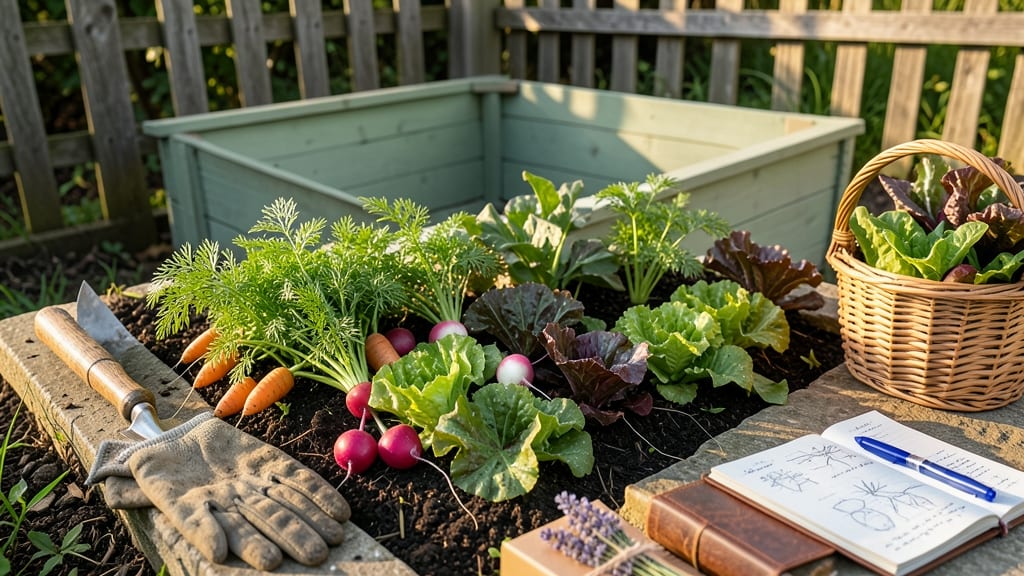
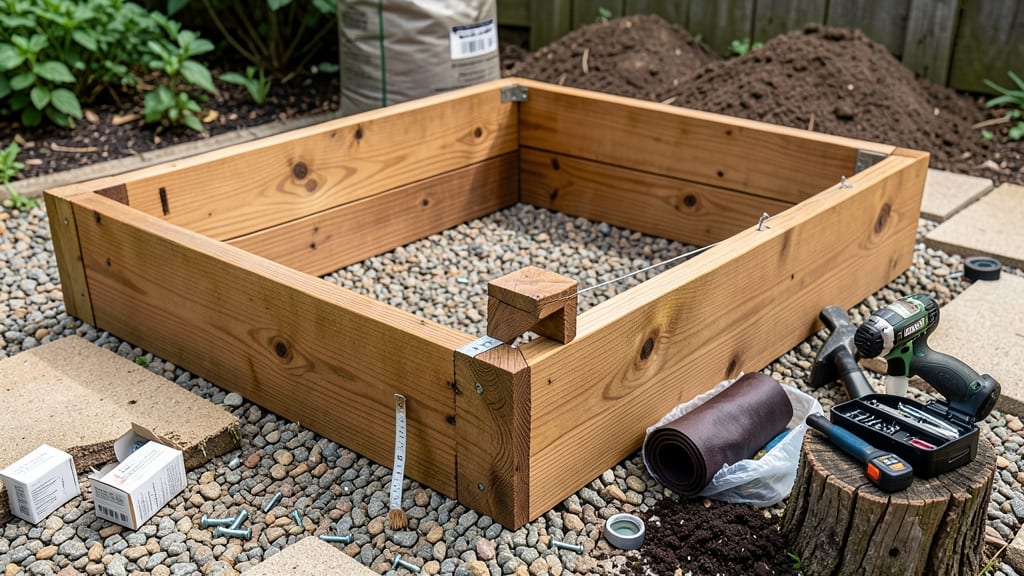
💥 Quick Answer The cost to make a raised garden bed typically ranges from $100 to $500, depending on materials like cedar lumber ($15–$30 per board), soil mix ($50–$150 per cubic yard), and hardware. Using pre-cut kits…