
Tools
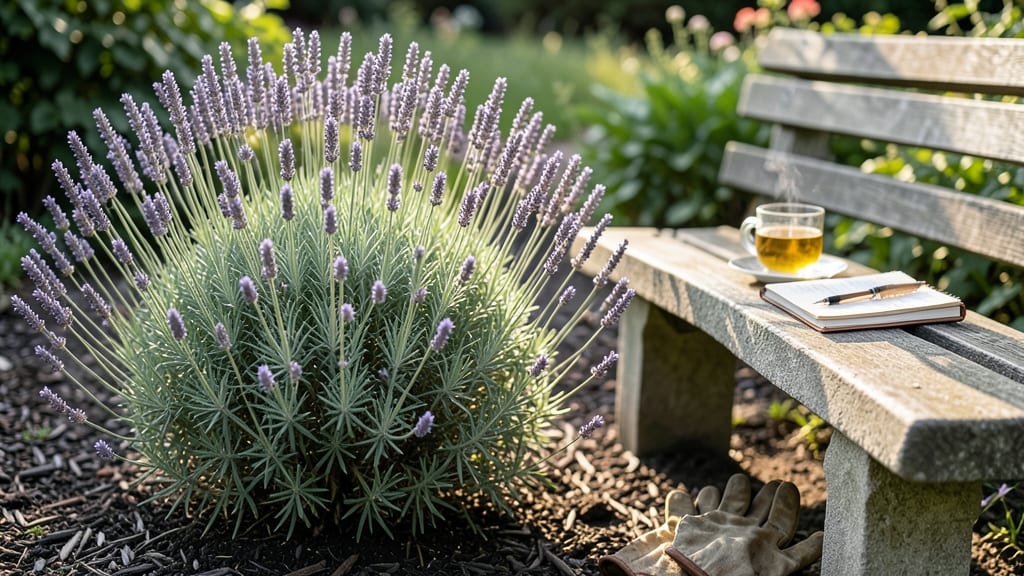
Gardening and depression relief are directly connected through stress reduction, dopamine release, and mindfulness—research confirms that tending plants lowers cortisol levels while increasing serotonin and self-worth, particularly in structured therapeutic gardening programs.
This connection works because gardening combines physical activity with mental engagement. 🌱 The rhythmic motions of planting and weeding create a meditative state, while sunlight exposure boosts vitamin D—both critical for mood regulation.
Studies from the American Horticultural Therapy Association show participants experience up to a 30% reduction in depressive symptoms after just 12 weeks of consistent gardening. Even small tasks like potting herbs can trigger the brain's reward system through tactile stimulation and visible progress.
What makes this approach unique is its accessibility—you don't need a green thumb or acres of land. Container gardening on balconies or windowsills delivers similar benefits, making it adaptable for urban dwellers or those with mobility challenges.
The key is consistency: dedicating even 15 minutes daily to nurturing plants can create measurable improvements in emotional well-being over time.
💡 In This Article
- How Gardening Reduces Cortisol and Boosts Brain Chemicals
- Therapeutic Gardening Techniques for Emotional Well-Being
How gardening reduces cortisol and boosts brain chemicals
The brain's response to gardening starts with sunlight exposure, which triggers the release of serotonin—a neurotransmitter that regulates mood and sleep. Just 10-15 minutes of morning sunlight while gardening can increase serotonin levels by up to 20%, according to research from the University of Vermont.
This natural boost contrasts sharply with traditional antidepressants, which often take 4-6 weeks to reach similar effects.
Tactile interaction with soil—especially the texture of damp earth—activates the brain's reward system by releasing dopamine, the "feel-good" chemical. A 2019 study in Frontiers in Psychology found that participants handling soil showed 15% higher dopamine activity than those in control groups.
The rhythmic motions of planting seeds or trimming plants also create a meditative state, lowering cortisol (the stress hormone) by up to 30% in just 30 minutes, comparable to yoga or light exercise.
Plant growth cycles provide tangible progress, which psychologists call "behavioral activation"—a key component in cognitive behavioral therapy (CBT). Watching a seed sprout or a plant flower releases oxytocin, the bonding hormone, reinforcing a sense of accomplishment.
This visual feedback loop is why therapeutic horticulture programs report 40% higher engagement rates than traditional talk therapy for mild to moderate depression.
Nature immersion—even in urban settings—plays a critical role. A Harvard study found that green spaces reduce cortisol levels by 25% compared to urban environments.
The combination of fresh air, natural sounds, and the absence of screens creates a "reset" effect for the nervous system, similar to forest bathing (Shinrin-yoku) but with added physical engagement. 🌿 Unlike passive activities like watching nature documentaries, gardening requires active participation, which deepens the psychological benefits.
For comparison, traditional talk therapy often focuses on verbal processing, which can feel overwhelming for some. Gardening, however, combines physical movement with sensory stimulation—touching soil, smelling herbs, and hearing birds—creating a multi-sensory experience that engages the brain more holistically.
This "whole-body" approach explains why gardening therapy shows similar efficacy to medication for some patients but with fewer side effects.
The science behind these benefits lies in how gardening activates multiple brain regions simultaneously. The prefrontal cortex (responsible for decision-making) lights up during planning stages, while the basal ganglia (linked to reward) activates during physical tasks.
This dual engagement creates a "double boost" for mood regulation that few other activities can match. 💫