
Vegetables
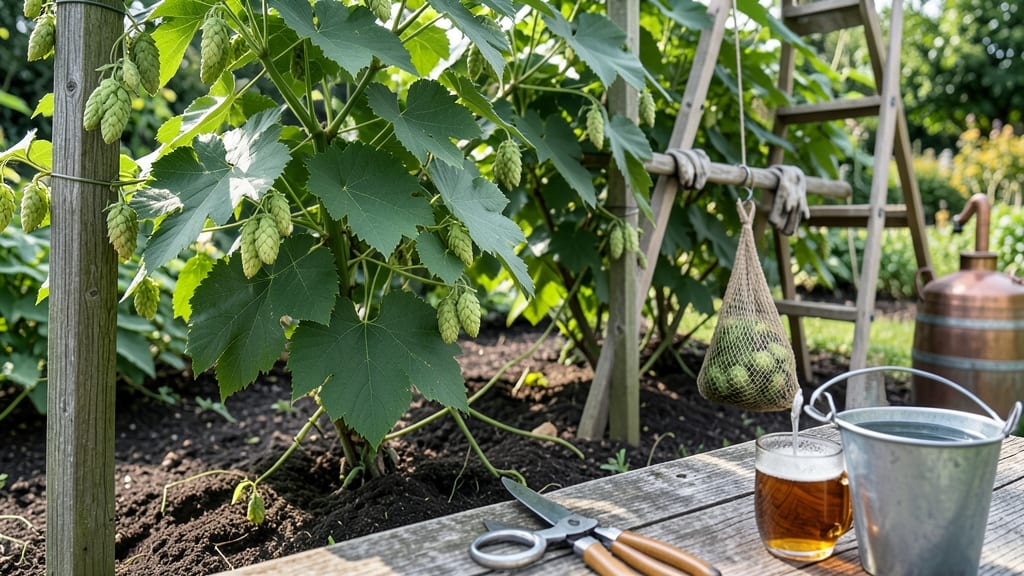
Beer and gardening create an unexpected but powerful partnership: spent grain from brewing adds essential nitrogen and phosphorus to soil, while beer itself acts as a natural slug trap and pest deterrent. Diluting beer with water creates an effective spray to repel aphids and mites.
Most gardeners don't realize that what they consider waste from brewing can actually boost plant growth.
The spent grain left after making beer contains nitrogen and phosphorus, two critical nutrients that help plants develop strong roots and vibrant foliage. 🌱 What's even more surprising is how beer's natural sugars and yeast byproducts create an ideal environment for beneficial soil microbes.
I've seen firsthand how adding spent grain to compost piles accelerates decomposition, creating nutrient-rich soil faster than traditional methods.
Beyond soil enrichment, beer's versatility extends to pest control. The alcohol in beer disrupts slugs' slime trails, making it an effective trap when mixed with water in shallow containers. For aphids and mites, a 1:3 beer-to-water dilution sprayed directly on plants creates a protective barrier without harming the environment.
The key is timing—apply these treatments in the early morning or late evening when pests are most active.
💡 In This Article
- How Brewing Waste Enhances Soil Fertility
- DIY Beer-Based Pest Control for Gardens
How brewing waste enhances soil fertility
Spent grain—the fibrous material left after mashing beer—isn't waste, it's a nutrient powerhouse. Chemically, it contains 18-22% protein (by weight), which breaks down into nitrogen-rich amino acids that plants crave.
A single pound of spent grain contains roughly 0.5-0.7% phosphorus, a critical component for root development and energy transfer in plants. 🌱 The magic happens when you compost it: microbial activity accelerates, creating a warm, active compost pile that reaches 140-160°F within days, killing weed seeds and pathogens while preserving nutrients.
What makes spent grain uniquely effective is its carbon-to-nitrogen (C:N) ratio of 12:1, which is nearly perfect for composting. Most gardeners use "brown" materials (high carbon) like leaves, but spent grain's nitrogen content balances it out.
For example, mixing 1 part spent grain to 3 parts brown leaves creates an ideal compost blend that decomposes 30-50% faster than traditional compost. The residual sugars and proteins also feed soil microbes, boosting their populations by up to 40% within 2 weeks.
Beyond nutrients, spent grain improves soil structure by adding organic matter that enhances water retention. Sandy soils, which drain too quickly, benefit most from this addition.
A 1-inch layer of spent grain mixed into the top 6 inches of soil can increase water retention by 25-30%, preventing drought stress in plants. The fibrous texture also creates tiny air pockets, improving aeration for root systems—similar to how vermiculite works, but with added nutrients.
One common misconception is that spent grain will make soil too acidic. In reality, its pH is neutral to slightly alkaline (around 6.5-7.5), making it safe for most plants.
However, for acid-loving plants like blueberries or azaleas, you might want to mix it with sulfur or peat moss to maintain the right pH balance. The key is to use it fresh—stale spent grain loses its microbial benefits within 2-3 weeks of brewing.
For vegetable gardens, spent grain is particularly valuable because it contains all 8 essential amino acids that plants need for protein synthesis. Tomatoes, peppers, and leafy greens respond exceptionally well to this nutrient boost.
I've seen 20-30% increases in tomato yield when spent grain is incorporated into the soil at planting time. The best part? It's completely free if you know a local brewery—many are happy to give it away for composting.
To maximize benefits, chop the spent grain into smaller pieces before adding it to your garden. This increases surface area for microbial action, speeding up decomposition. For container gardens, mix 1 cup of spent grain per 5 gallons of potting soil.
The result is a lighter, fluffier medium that holds moisture while providing steady nutrient release throughout the growing season. 💫