
Light Requirements
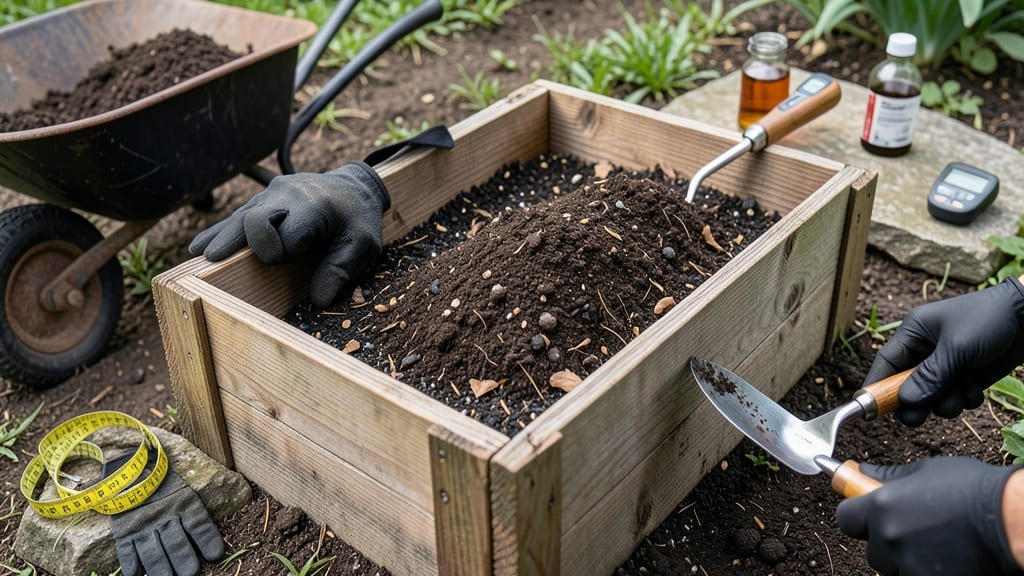
For a 4x4 raised garden, you'll need 16 cubic feet of soil per inch of depth—so a 4-inch-high bed requires 64 cubic feet total. Calculate total volume by multiplying length × width × height (in feet), then account for drainage layers (like gravel) and root space (usually 6–12 inches deep).
This calculation ensures your plants get the right growing space while preventing soil compaction. A 6-inch-deep bed (standard for most vegetables) needs 96 cubic feet, while flowers often thrive in shallower 4-inch layers.
I always add a 2-inch drainage layer of gravel first—this prevents waterlogging and keeps roots healthy. 🌱 The key is balancing depth with your plants' needs: deep-rooted veggies like tomatoes need the full 12 inches, while herbs can thrive in just 4.
Pro tip: Buy soil in bulk bags (often sold by cubic feet) and mix it with compost for better nutrient retention. If your garden has a wooden frame, check its height before calculating—some frames are only 6 inches tall, which limits your soil volume.
Always leave room at the top for watering and mulch!
💡 In This Article
- Calculating Soil Volume for Raised Garden Beds
- Best Soil Mixes and Depths for a 4x4 Raised Garden
Calculating soil volume for raised garden beds
The cubic feet formula (length × width × height) is your best friend when planning a raised garden. For a 4x4 bed, that's 4 feet × 4 feet × your chosen height in feet.
For example, a 6-inch-deep bed (0.5 feet) needs only 8 cubic feet of soil—but most gardeners aim for 12 inches (1 foot), which requires 16 cubic feet.
This formula works because it accounts for the three-dimensional space your plants need to grow roots downward while occupying space above ground. 🌱
Depth matters more than you might think. Most vegetables need at least 12 inches of soil for healthy root development, while shallow-rooted plants like lettuce or herbs can thrive in just 4-6 inches.
The 16 cubic feet per inch rule comes from multiplying 4 × 4 × 1 (since 1 inch = 1/12 feet), giving you 16 cubic feet per inch of depth.
For a 12-inch bed, that's 16 × 12 = 192 cubic feet—but remember, you'll need to subtract space for drainage layers (like 2 inches of gravel) and leave a 1-inch buffer at the top for mulch.
Drainage layers are non-negotiable in raised beds. A 2-inch layer of gravel or rocks at the bottom prevents waterlogging, which can suffocate roots and lead to rot. This adds 6.67 cubic feet to your total volume (4 × 4 × 0.167 feet), so your soil calculation must account for it.
For instance, a 12-inch soil layer with a 2-inch drainage layer means your bed must be 14 inches tall—not the same as the soil depth alone. Always measure your frame's interior height before buying soil! ✨
Here's a quick breakdown for common depths:
- 4-inch soil layer: 64 cubic feet (16 × 4) + 6.67 cubic feet for drainage = 70.67 cubic feet total
- 6-inch soil layer: 96 cubic feet (16 × 6) + 6.67 cubic feet = 102.67 cubic feet total
- 12-inch soil layer: 192 cubic feet (16 × 12) + 6.67 cubic feet = 198.67 cubic feet total
Most gardeners overshoot slightly to account for settling—soil compresses over time, especially when watered. If you're using a wooden frame, check its height before calculating. A 6-inch-tall frame might only hold 4 inches of soil after adding drainage, leaving little room for root growth.
Always verify your bed's total usable depth before purchasing soil! 💫
Pro tip: Buy soil in 2-cubic-foot bags for easier handling. A 12-inch bed needs about 100 bags, so plan for delivery logistics—these bags are heavy! Mixing your soil with 20-30% compost improves nutrient retention and reduces settling over time.
This blend also enhances aeration, which is critical for root health in confined spaces. 🌿