
Tools
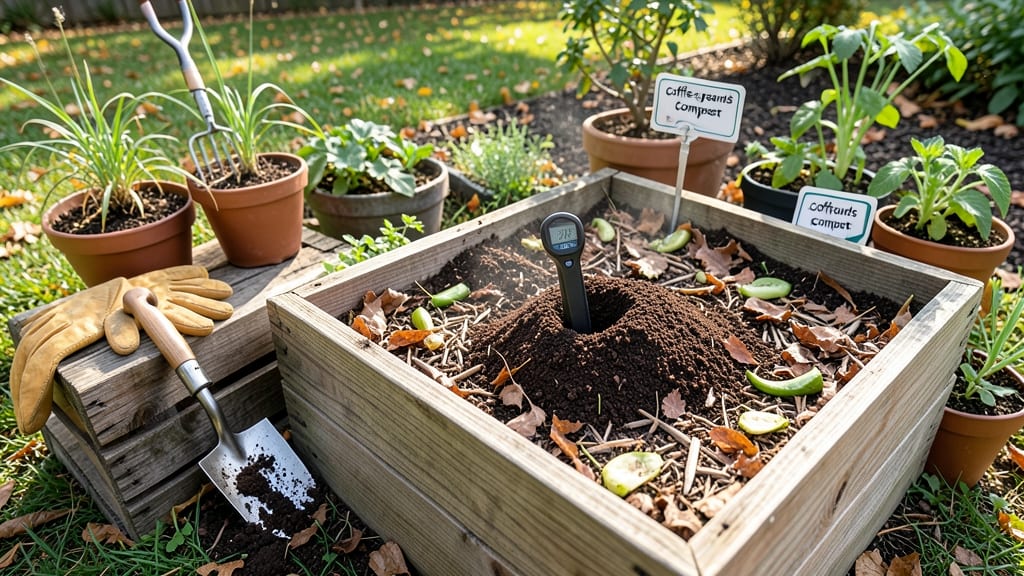
Using Starbucks coffee grounds in your garden enriches soil with nitrogen, improves drainage, and boosts acid-loving plants like azaleas or blueberries—just mix them into compost or topsoil in moderation to avoid over-acidifying the soil.
Starbucks coffee grounds are a gardener's secret weapon because they're packed with organic matter that breaks down slowly, feeding your plants over time. 🌱 The nitrogen content helps green up foliage, while the gritty texture improves soil aeration—perfect for heavy clay or compacted soil.
I've noticed my blueberry bushes thrive when I sprinkle used grounds around their base, especially during the growing season.
Just be cautious with how much you use. While coffee grounds can lower soil pH slightly, they work best when mixed with other compost materials like shredded leaves or grass clippings.
For container gardens, I recommend a 1:4 ratio of coffee grounds to soil to prevent fungal issues from excess moisture retention.
💡 In This Article
- How Coffee Grounds Boost Soil Fertility
- Best Plants and DIY Composting Methods for Starbucks Coffee Grounds
How coffee grounds boost soil fertility
Starbucks coffee grounds work like a natural fertilizer because they're roughly 2% nitrogen by dry weight—a nutrient plants crave for lush growth. When these grounds decompose, they release nitrogen slowly, feeding soil microbes that break down organic matter into plant-available nutrients.
This process, called mineralization, creates a self-sustaining cycle where microbial activity boosts soil fertility over time. The texture also adds organic matter that improves soil structure, making heavy clay soils more workable and sandy soils better at retaining moisture.
Here's where it gets interesting: coffee grounds contain caffeine and tannins, which act as natural pest deterrents. The caffeine repels slugs and snails (they hate the bitter taste), while tannins help suppress fungal growth when used in moderation.
However, these compounds also make fresh grounds slightly acidic—typically around pH 6.2-6.8—which is why they're ideal for acid-loving plants like hydrangeas or gardenias. For neutral-soil plants, mix them with lime or wood ash to balance the acidity.
The gritty texture of coffee grounds plays a crucial role too. When mixed into soil, they create tiny air pockets that improve drainage and aeration, preventing compaction. This is especially helpful in urban gardens where soil often gets packed down by foot traffic.
I've seen container gardens with coffee grounds retain 20-30% more moisture than regular potting mix while still allowing excess water to drain away—perfect for plants that hate soggy roots like tomatoes or peppers.
What most people don't realize is how coffee grounds affect soil microbes differently at various stages. Fresh grounds contain volatile compounds that initially slow microbial activity, but as they decompose (typically 4-6 weeks in warm conditions), they become a microbial feast.
This two-phase process explains why composting coffee grounds requires patience—the initial "resting period" prevents nutrient burn while allowing beneficial bacteria and fungi to establish themselves.
For visual learners, imagine coffee grounds as tiny sponges that soak up water while their decomposition creates a porous network. This structure helps roots penetrate more easily, especially in dense soils.
The nitrogen release happens in two waves: an initial fast-acting phase (first 2 weeks) that greens up plants quickly, followed by a slow-release phase that lasts months. This dual-action makes them more effective than synthetic fertilizers for long-term soil health.
One common mistake is using too much at once. A general rule is to limit coffee grounds to 20% of your compost mix—any more can create anaerobic pockets that produce unpleasant odors. For mulching, spread a ½-inch layer around plants and water thoroughly to help decomposition begin.
The key is balance: too little won't help, but too much can acidify soil faster than your plants can handle.