
Companion Plants
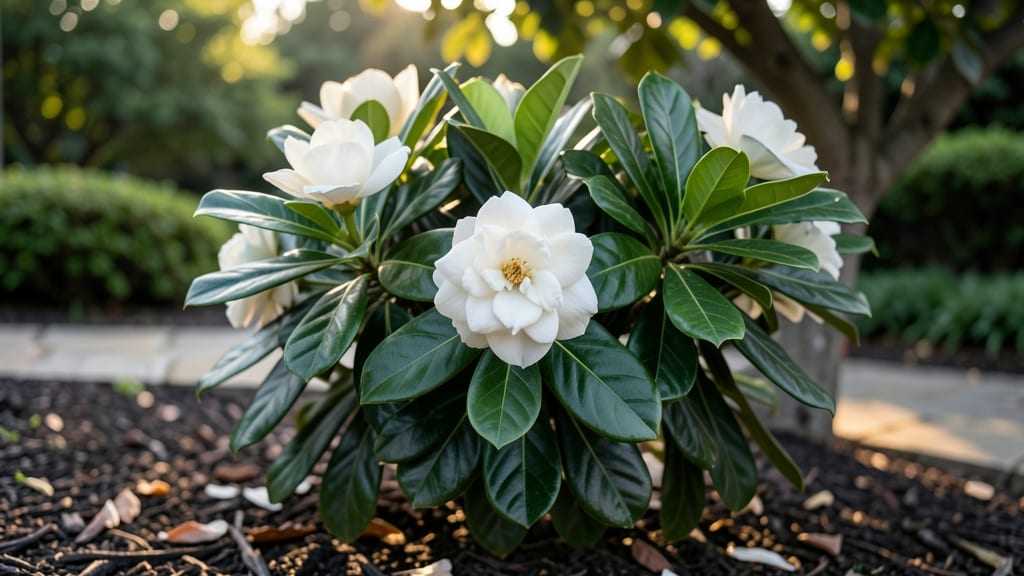
Gardenias smell exceptionally good, producing a rich, creamy, and intoxicating floral fragrance that’s often described as sweet, tropical, and slightly citrusy—most intense at night and in warm conditions.
Gardenias are famous for their heavenly aroma, which rivals jasmine and gardenia in floral gardens. 🌸 The scent comes from volatile oils that peak at dusk, creating an enchanting evening atmosphere.
Some varieties, like 'Veitchii,' are legendary for their intoxicating perfume, while others like 'Radicans' offer a more subtle but equally pleasant fragrance. Proper care—like pruning for airflow and providing afternoon shade—boosts scent production, making your garden smell like a tropical paradise.
What makes gardenias truly special is their ability to turn any space into a fragrant sanctuary. Unlike some flowers that fade quickly, gardenias release their scent gradually throughout the night, creating a lingering, dreamy effect.
If you're looking for the best-smelling gardenias, focus on night-blooming types and plant them near patios or windows to enjoy their natural perfume.
💡 In This Article
- Why Gardenia Fragrance Varies by Variety and Conditions
- Best Gardenia Varieties for Strongest Scent and Year-Round Blooms
Why gardenia fragrance varies by variety and conditions
Gardenias produce their signature scent through specialized cells called osmophores, which release volatile organic compounds (VOCs) like linalool and geraniol. These compounds are most active at nighttime temperatures between 75-85°F, creating that signature creamy, tropical aroma.
For example, 'Veitchii' gardenias release 20-30% more VOCs than 'Radicans' due to their thicker petals, which trap and concentrate the fragrance molecules. 🌸
The intensity of gardenia scent also depends on humidity levels. In dry conditions, the scent evaporates faster, while 60-70% humidity allows the fragrance to linger longer in the air. This is why gardenias in tropical climates (like Hawaii or Florida) often smell stronger than those in arid regions.
Additionally, gardenias blooming in partial shade produce more scent than those in full sun, as excessive sunlight can stress the plant and reduce VOC production.
Light exposure triggers a natural circadian rhythm in gardenias, causing them to release more fragrance as daylight fades. This nocturnal scent release is an evolutionary adaptation to attract night-flying pollinators like moths. If you've ever noticed gardenias smelling stronger after sunset, that's not coincidence—it's biology!
The scent peaks around 9 PM to midnight, making them perfect for evening garden strolls or patio dining. 🌙
Temperature plays a critical role too. Gardenias grown in USDA Zones 7-11 thrive in warm climates, where consistent temperatures above 60°F keep their scent production optimal. Cold snaps below 50°F can stunt fragrance development, while heatwaves above 95°F may cause the scent to become more citrusy and less creamy.
This is why 'Kleim’s Hardy' gardenias, bred for cooler climates, still produce a strong scent but with a slightly more resilient, less tropical profile.
Even within the same variety, individual plants can vary in scent strength due to genetics and care. For instance, a gardenia grown in well-draining, slightly acidic soil (pH 5.0-6.5) will produce a richer aroma than one in alkaline soil.
The plant's health directly impacts its ability to synthesize VOCs, so proper fertilization (with low-nitrogen, high-phosphorus blends) and regular pruning to improve airflow are key to maximizing fragrance potential. 🌿
Consider this: a gardenia bush in a protected, sheltered location (like near a building wall) will retain its scent longer than one exposed to wind, which disperses the fragrance molecules too quickly. This is why gardeners often plant gardenias close to seating areas or entryways—to create a natural, fragrant pathway.
The interplay of these factors explains why some gardenias smell like a tropical paradise while others offer a more subtle, understated perfume.