
Companion Plants
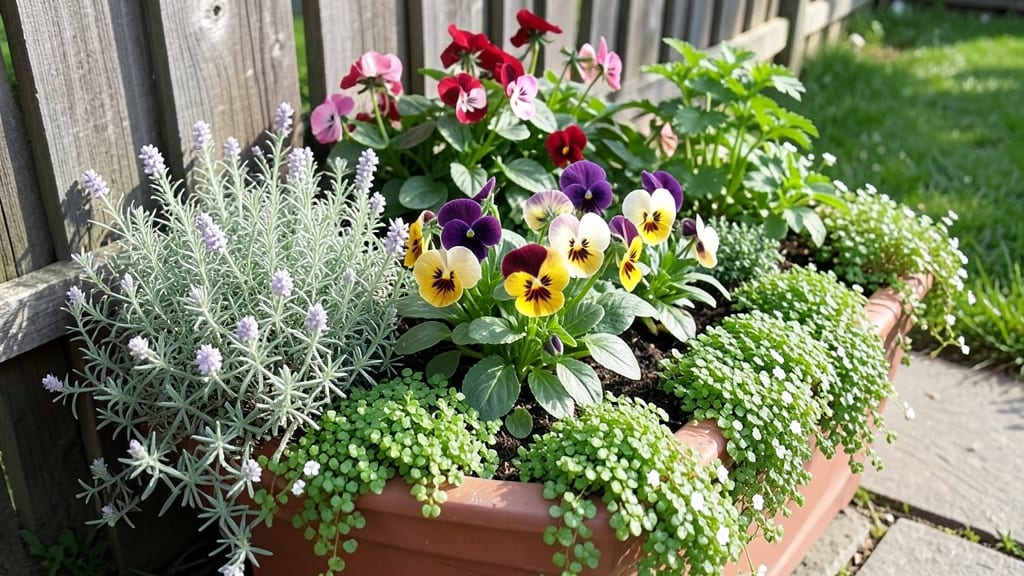
Good little garden plants for small spaces include drought-resistant succulents like sedum and echeveria, fragrant herbs such as thyme and parsley, and low-maintenance perennials like hostas and lavender, all of which require minimal attention while adding vibrant color and texture.
These plants thrive because they're bred for resilience—most need only 6-8 hours of sunlight and tolerate dry spells once established. 🌱 Succulents like sedum store water in their leaves, while herbs such as parsley self-seed easily, reducing replanting work. Perennials like lavender repel pests naturally, cutting down on chemical treatments.
The real magic happens when you pair them: for example, thyme under roses deters aphids, while hostas provide shade for delicate flowers. Even in tiny balconies or window boxes, these plants create lush, self-sustaining ecosystems that look polished with almost no effort.
For beginners, the key is starting with just 3-5 types to avoid overwhelm.
I always recommend grouping plants by water needs—succulents together, herbs near the kitchen—and using mulch to retain moisture. Pro tip: Lavender and rosemary double as culinary herbs and pollinator magnets, while hostas act as living mulch to suppress weeds.
The beauty of these plants is their ability to fill gaps without demanding constant care, making them perfect for anyone who wants a green thumb without the hassle.
💡 In This Article
- Why These Low-Maintenance Plants Survive in Small Gardens
- Best Small-Space Plant Pairings for Easy Care Gardens
Why these low-maintenance plants survive in small gardens
These plants thrive because they've evolved to handle the harshest conditions—drought, poor soil, and limited space. Succulents like sedum and echeveria store water in their thick leaves, allowing them to survive weeks without rain.
Their shallow root systems also make them perfect for containers or cracks in pavement, where other plants would struggle. 🌵 What's fascinating is how their waxy coatings reduce water loss, similar to how a cactus handles desert heat, but these varieties stay compact enough for small gardens.
The real secret lies in their adaptability. Most of these plants tolerate 6-8 hours of sunlight daily but can also handle partial shade, making them versatile for urban balconies or shaded patios.
Herbs like thyme and parsley grow in almost any soil type, even rocky or sandy ground, while perennials like hostas spread slowly but reliably, filling gaps without becoming invasive. Their growth habits—whether creeping, bushy, or upright—ensure they fit neatly into tight spaces without competing for resources.
Pest resistance is another superpower of these plants. Lavender, for example, contains natural oils that repel aphids and mosquitoes, while hostas produce toxins that deter deer and rabbits. This built-in defense means you'll spend far less time battling pests than with more delicate varieties.
The compact size of these plants also means they mature quickly—often reaching their full potential in just 1-2 growing seasons—so you see results faster than with slow-growing shrubs or trees.
Let's talk about soil—these plants aren't picky. Most thrive in average garden soil with a pH between 6.0 and 7.5, though succulents prefer slightly alkaline conditions. The key is good drainage; waterlogged roots are their biggest enemy. That's why raised beds or containers with drainage holes work so well.
Even in poor urban soil, these plants will grow—though adding a 2-inch layer of compost at planting time gives them a helpful boost without requiring ongoing fertilizer.
What makes them truly magical is how they interact with their surroundings. For instance, thyme's low-growing habit makes it ideal for ground cover, while its aromatic leaves deter pests from nearby plants.
Hostas, with their broad leaves, provide shade for delicate flowers, creating microclimates that protect other species. These plants essentially work together to create self-sustaining ecosystems, reducing the need for constant intervention. 🌿
Consider this: a 6-inch pot of lavender can thrive for years with just occasional watering, while a single hosta plant can spread to fill a 2-foot diameter area in 3-5 years—all while requiring no special care.
That's the power of choosing plants that match their environment rather than fighting against it. The result? A garden that looks intentional with minimal effort.