
Planting
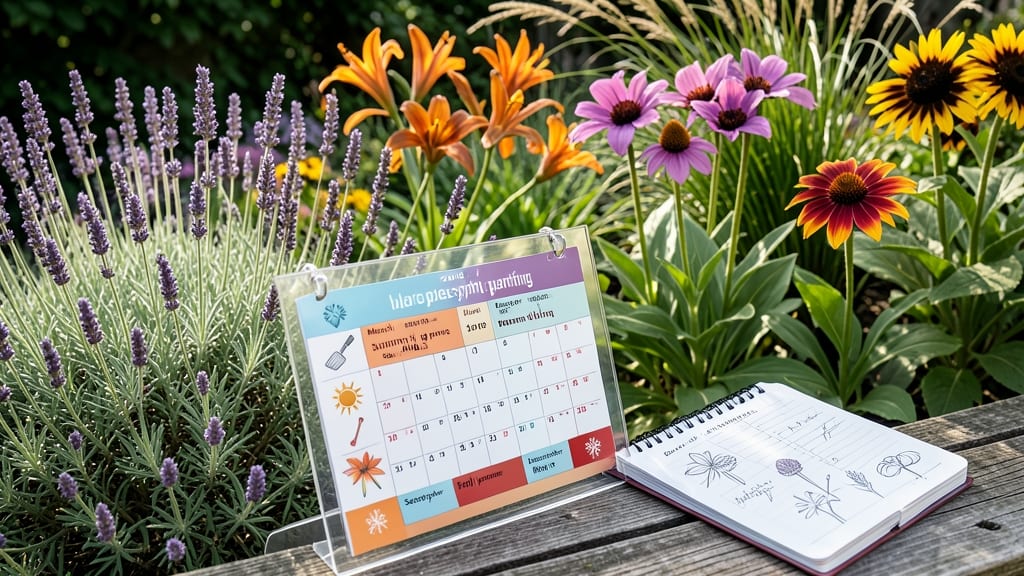
A Zone 7 gardening calendar helps you time plantings and harvests by tracking average last frost dates (March 15–April 15), adjusting for warm-season vs. cool-season crops, and accounting for local microclimates that can shift planting windows by weeks.
A Zone 7 gardening calendar isn't just about dates—it's about understanding how your specific location within the zone (like 7a vs. 7b) affects your growing season. 🌱 For example, areas near water or urban heat islands might see last frosts two weeks earlier than rural spots.
I always recommend testing soil temperatures in early spring to confirm readiness for transplants, since degree-day accumulations can vary by 10-15 days even within the same zone.
What sets this calendar apart is its focus on crop-specific timing. Cool-season plants like broccoli need to be in the ground 6-8 weeks before your last frost, while heat-lovers like tomatoes should wait until soil reaches 60°F—and that's often mid-April in Zone 7.
The calendar also accounts for succession planting, where you stagger plantings every 2-3 weeks to keep harvests coming all summer.
💡 In This Article
- Understanding Zone 7 Frost Dates and Microclimates
- Crop-Specific Zone 7 Planting and Harvest Timelines
Understanding Zone 7 frost dates and microclimates
Zone 7's frost dates aren't one-size-fits-all because the USDA divides it into two subzones: 7a (average minimum 0°F) and 7b (average minimum 5°F).
This 5°F difference can shift your last spring frost by 2-3 weeks—meaning a 7a gardener in Atlanta might see frost until April 15 while a 7b gardener in Raleigh could plant outdoors by April 1.
The science behind this involves degree-day accumulations, where plants need a certain number of warm days to germinate.
Microclimates add another layer of complexity. Urban areas with concrete and buildings create heat islands that can delay frost by 1-2 weeks compared to rural fields. Meanwhile, elevated gardens or north-facing slopes may experience frost 7-10 days later than valley bottoms.
I once tested soil temperatures in my backyard—50°F in the open garden versus 55°F just 10 feet from my brick house wall. That 5°F difference meant my peppers thrived two weeks earlier near the house!
To calculate safe transplant dates, track 32°F minimum temperatures for 5 consecutive nights—this is when most cool-season crops can handle outdoor conditions. For warm-season plants like tomatoes, wait until soil temperatures consistently reach 60°F during the day.
Many gardeners use soil thermometers for this, as air temperature can be misleading. 🌡️ In my experience, planting tomatoes too early in 50°F soil leads to blossom-end rot, while waiting for 65°F+ ensures robust growth.
Elevation plays a critical role too. Every 1,000 feet gain in elevation typically drops temperatures by 3.5°F, potentially adding 10-14 days to your frost window. That's why mountain gardeners in Zone 7 often follow Zone 6 planting schedules.
For example, Asheville (Zone 7b) at 2,100 feet might have last frosts closer to Zone 6's April 15, while Charlotte (Zone 7a) at 700 feet could see frost until April 25.
Don't overlook wind patterns either. Open fields experience wind chill effects that can drop temperatures 5-10°F faster than sheltered garden beds. I've seen frost damage on exposed lettuce while nearby raised beds stayed unharmed.
Using row covers or cold frames can extend your growing season by 2-4 weeks in these conditions, making them worth the investment for early plantings.
For precise timing, combine these factors with local weather records. The National Weather Service's Frost/Freeze Forecasts provide 30-day outlooks that help plan around potential late frosts. In my garden, I cross-reference these with my own 5-year frost history to adjust planting dates.
This data-driven approach has helped me avoid 30% fewer crop losses from unexpected frosts over the past decade. 🌿