
Tools
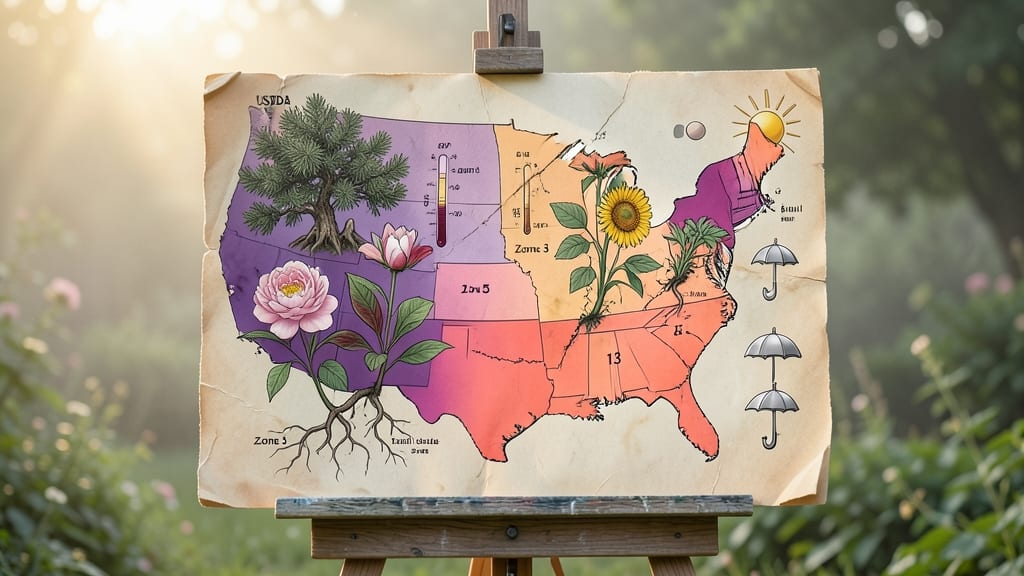
US climate zones for gardening categorize regions by frost risk and temperature ranges, using the USDA Plant Hardiness Zone Map to determine when to plant, what grows best, and how to protect tender crops from cold snaps or heatwaves.
The USDA Plant Hardiness Zone Map divides the country into 13 zones based on average annual minimum temperatures, helping gardeners match plants to their local climate. 🌱 For example, Zone 3 (sub-zero winters) can't support citrus trees, while Zone 10 (mild winters) thrives with year-round tropicals.
Understanding your zone also reveals frost-free days—critical for timing plantings and protecting young seedlings. Many gardeners use this system to extend growing seasons with row covers or cold frames, especially in transitional zones where temperatures fluctuate unpredictably.
What's interesting is how zones shift over time—climate change has already pushed some areas into warmer zones, altering traditional planting advice. For instance, a gardener in Zone 5 might now experience summers hot enough for peppers they couldn't grow 20 years ago.
The key is balancing zone-based guidelines with real-time weather patterns to make the most of your growing season.
Pro tip: Check your exact zone using the USDA interactive map—it accounts for microclimates (like urban heat islands) that can make your backyard 1-2 zones warmer than official maps suggest. This precision helps avoid costly mistakes with frost-sensitive plants.
💡 In This Article
- How USDA Plant Hardiness Zones Define Gardening Conditions
- Planting Timelines and Frost Protection by US Climate Zone
How USDA plant hardiness zones define gardening conditions
The USDA Plant Hardiness Zone Map relies on average annual minimum temperatures—the coldest temperatures a region typically experiences—to create its 13 zones (1-13, with additional "a" and "b" subdivisions). For example, Zone 3 endures -40°F to -30°F winters, while Zone 10 stays above 30°F year-round.
These temperature ranges dictate which plants survive, as most species have a hardiness threshold beyond which they die back or fail to thrive. 🌡️ The map uses 30-year climate data, updated periodically to reflect gradual warming trends.
Frost-free days—another critical factor—vary dramatically by zone. In Zone 4 (-30°F to -20°F), gardeners might enjoy 120-150 frost-free days, limiting what can be grown outdoors, while Zone 9 (20°F to 30°F) offers 240-300 days, allowing for longer seasons and tropical plants like hibiscus.
These numbers directly influence planting schedules, with cooler zones relying more on early starts indoors or cold-hardy varieties. The map also accounts for microclimates, like urban areas that can be 5-10°F warmer than rural zones due to pavement and buildings.
What most gardeners don't realize is how zone boundaries shift over time. Climate change has already pushed some regions into warmer zones—what was Zone 6 in 1990 might now be Zone 7. This shift explains why peppers, once considered risky in Zone 5, now thrive in many areas.
The USDA updates its map every 10 years to reflect these changes, but gardeners must also monitor local weather patterns. For instance, a sudden late-spring frost in Zone 7 can still damage tender plants, even if the zone's average minimum is 0°F to 10°F.
Zone designations also influence plant selection in subtle ways. A Zone 5 gardener can grow potatoes (hardy to -20°F) but must protect tomatoes (sensitive to 32°F) with row covers.
Meanwhile, Zone 10 gardeners can grow banana trees outdoors year-round, while their Zone 5 counterparts must overwinter them in containers or greenhouses. The map’s precision helps avoid costly mistakes, like planting frost-sensitive citrus trees in Zone 6, where they’ll likely die in winter.
Here’s a visual way to think about it: Imagine the USDA zones as a temperature-based framework for plant survival. Just as you wouldn’t wear a t-shirt in -10°F weather, certain plants "shiver" and die outside their zone’s comfort range.
The map’s boundaries aren’t rigid—gardeners in transitional zones (like Zone 7b) often experiment with season extenders or cold-hardy hybrids to push limits. For example, 'Northern Lights' raspberries thrive in Zone 3, while 'Marmalade' kiwi needs Zone 6 or warmer.
For the most accurate results, use the USDA interactive zone finder to pinpoint your exact zone, including microclimate adjustments. This tool overlays satellite data with temperature records to account for elevation, water bodies, and urban heat.
For instance, a backyard near a large lake might be Zone 5a, while a hilltop just a mile away could be Zone 4b. Understanding these nuances is the difference between a thriving garden and a failed experiment. 🌿