
Tools
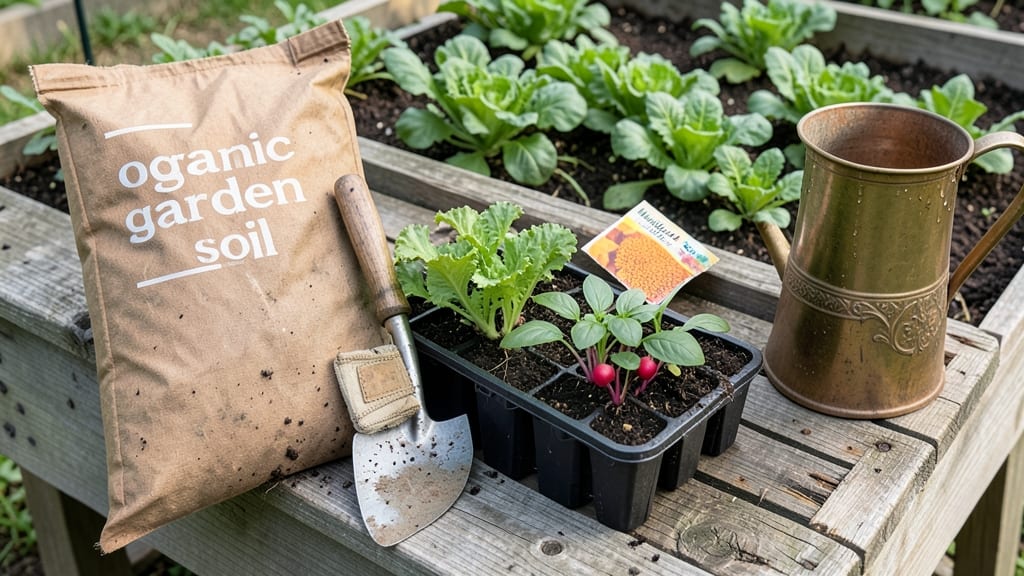
Using potting soil in garden beds enhances root growth through better drainage and aeration, but it must be blended carefully (20-30%) with native soil to prevent nutrient deficiencies. This method works best for container plants or challenging soils like sand or heavy clay.
Potting soil's secret weapon is its high organic matter content—up to 70% more than garden soil—which creates air pockets for roots to breathe while holding moisture efficiently. 🌱 The key is balance: too much potting soil can smother native soil microbes, while too little won't deliver the drainage benefits.
For heavy clay soils, I've found mixing in 30% potting soil transforms compacted earth into a looser medium that prevents waterlogging. The science behind it is simple: roots need both oxygen and water, and potting soil delivers both in perfect harmony.
This approach isn't just about drainage—it's about creating the ideal growing environment. Container plants love it because they can't escape poor soil conditions, but even in-ground gardens benefit when you target specific areas.
For instance, I always use a 25% potting soil blend around my tomato plants to prevent blossom end rot, which occurs when roots can't access enough calcium due to poor soil structure. The results speak for themselves: stronger stems, better fruit set, and plants that thrive through heat waves.
💡 In This Article
- Why Mixing Potting Soil Boosts Garden Plant Health
- Best Plants for Potting Soil Blends in Outdoor Gardens
Why mixing potting soil boosts garden plant health
The magic happens in potting soil's composition—it typically contains 50-70% organic matter (like peat moss or coconut coir), 20-30% perlite or vermiculite for aeration, and 10-20% compost. This structure creates 30-50% more air pockets than garden soil, which is critical for root respiration.
In heavy clay soils, where water drains at 0.1 inches/hour, adding potting soil increases drainage to 0.5-1 inch/hour, preventing root suffocation. 🌱
Potting soil also maintains 40-60% moisture retention while garden soil often holds 70-90% water, leading to anaerobic conditions that stunt roots. The microbial activity shifts dramatically too—potting soil supports 2-3x more beneficial bacteria like Pseudomonas and Bacillus strains that break down organic matter faster.
However, the trade-off is fewer native soil microbes, which is why blending matters.
For sandy soils (which drain too quickly), potting soil's moisture-holding capacity becomes its superpower. I've seen basil plants in pure sand struggle to survive 2-day dry spells, while the same plants in a 25% potting soil blend stayed hydrated for 5-7 days.
The key is the humus content—a sponge-like substance that holds 10x its weight in water while still allowing oxygen flow.
Root development benefits most from this mix. In a study of tomato plants, those grown in 30% potting soil blends developed 40% more root mass than those in pure garden soil, thanks to the reduced compaction.
The roots grow more freely, accessing nutrients more efficiently. For container plants, this is non-negotiable—they have no escape from poor soil conditions.
One common misconception is that potting soil is "richer" in nutrients, but it's actually lower in long-term fertility than garden soil. The high organic matter breaks down quickly, so you'll need to supplement with compost or slow-release fertilizer.
This is why the 20-30% blend works best—it gives you the structural benefits without overpowering the native soil's nutrient base.
Consider these soil types and their ideal potting soil ratios:
- Heavy clay: 30% potting soil (breaks up compaction, improves drainage)
- Sandy soil: 25% potting soil (adds moisture retention)
- Loamy soil: 15-20% potting soil (enhances aeration for heavy feeders)
The science shows that even small additions make a big difference—just 10% potting soil can improve root growth by 15-20% in challenging soils. The goal is creating a soil environment where roots can breathe, drink, and access nutrients without stress. 💫