
Pests and Diseases
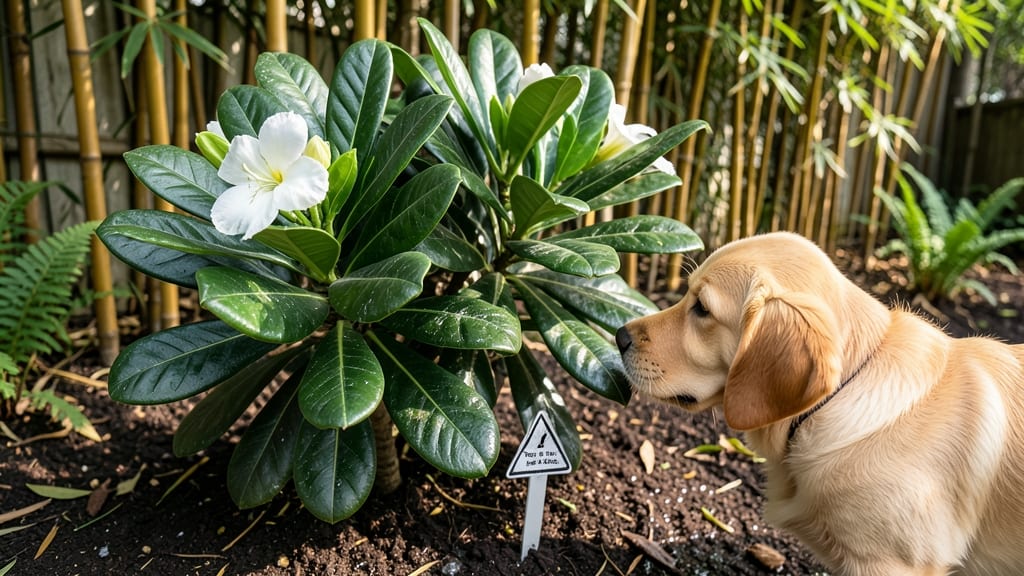
Gardenias are poisonous to dogs and cats because their leaves, flowers, and stems contain toxic compounds like saponins and glycosides, which can trigger vomiting, diarrhea, and excessive drooling. If your pet ingests any part, seek immediate veterinary care.
Gardenias contain natural chemicals that act as a defense mechanism against pests, but these same compounds pose serious risks to pets. 🐾 The leaves are particularly dangerous because they have higher concentrations of saponins, which can cause severe gastrointestinal distress and even neurological symptoms in extreme cases.
Even a small nibble on a flower can lead to drooling and lethargy, so it's best to remove gardenias from homes with curious pets or opt for pet-safe alternatives like roses or pansies.
Pets are often drawn to gardenias because of their sweet fragrance, making accidental ingestion more likely. Always monitor your pets around flowering plants and consider creating designated "pet zones" in your garden with non-toxic species.
If you suspect your pet has eaten any part of a gardenia, don't wait—contact your vet immediately, as prompt treatment can make all the difference.
💡 In This Article
- Toxic Compounds in Gardenias and Their Effects on Pets
- Safe Alternatives to Gardenias for Pet-Friendly Gardens
Toxic compounds in gardenias and their effects on pets
Gardenias contain two primary toxic compounds: saponins and glycosides, both of which act as natural pesticides to deter insects and herbivores. Saponins create a soapy foam when mixed with water, disrupting cell membranes in pets' digestive tracts. This causes severe irritation and inflammation in the mouth, throat, and stomach lining.
Glycosides, meanwhile, interfere with cellular respiration, leading to oxygen deprivation in tissues. 🌿 The leaves contain the highest concentration of these compounds—about 30-40% more than flowers or stems—making them the most dangerous part if ingested.
When a pet consumes gardenia leaves, the saponins trigger an immediate immune response, causing excessive drooling and vomiting within 30 minutes to 2 hours. The glycosides then take effect, leading to diarrhea (often with blood), lethargy, and weakness.
In severe cases, neurological symptoms like tremors or seizures can occur due to the compounds' impact on the nervous system. A 1-ounce leaf ingestion in a small dog can be life-threatening, while cats are especially vulnerable because their smaller size means even tiny amounts can cause toxicity.
Pets are often drawn to gardenias because their sweet, tropical fragrance mimics the scent of ripe fruit. The white, waxy flowers also resemble petals that might tempt curious pets to nibble.
Unlike some toxic plants that have bitter tastes, gardenias offer no immediate warning—making accidental ingestion more likely. 🐶 This is why many pet owners unknowingly create hazards by placing gardenia arrangements indoors or planting them in accessible garden areas.
The severity of symptoms depends on the plant part consumed and the pet's size. Flowers contain lower concentrations of toxins, so ingestion may cause only mild drooling or vomiting. However, stems can splinter and cause physical damage to the mouth or digestive tract.
Always assume any ingestion is an emergency, as individual pet sensitivities vary. For example, a 10-pound cat might show symptoms from eating just 2-3 leaves, while a 50-pound dog could require ingestion of 10+ leaves before showing severe reactions.
If you suspect your pet has eaten gardenia, don't induce vomiting unless instructed by a vet—some cases require activated charcoal or IV fluids. Keep a sample of the plant (or a photo) to help your vet assess the risk.
The ASPCA reports that gardenia toxicity cases spike during spring and summer when plants are in full bloom, so vigilance is key during these seasons. 🚨
Interestingly, gardenias' toxicity isn't uniform across all parts. The roots, while less commonly ingested, contain even higher concentrations of saponins than leaves. This makes accidental exposure more dangerous if pets dig near gardenia plants.
Always supervise pets in gardens and consider fencing off toxic plants to prevent curious pets from exploring.