
Advice
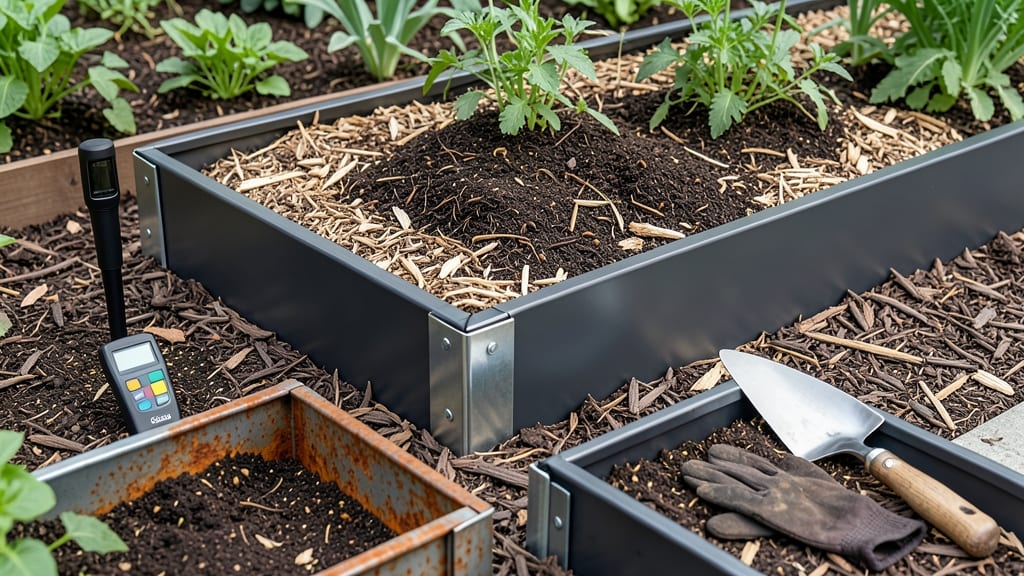
Metal raised garden beds can be safe for growing plants when made from food-grade materials like galvanized steel or stainless steel, but they carry risks such as chemical leaching, heat stress on roots, or soil pH changes over time. The right construction and soil management reduce these concerns significantly.
Metal raised garden beds are a popular choice for their durability and longevity, but their safety depends entirely on the materials used and how they're constructed. 🌱 Galvanized steel, for example, contains zinc coatings that can leach into the soil over time—especially in acidic conditions—potentially harming sensitive plants.
Stainless steel avoids this issue but may conduct heat poorly, causing root stress during hot days. The key is choosing certified food-safe metals and adding protective liners like heavy-duty plastic or geotextile fabric to create a barrier between the metal and soil.
Beyond material selection, proper soil management is critical. Metal beds trap heat, which can alter soil temperature and microbial activity. 🌡️ Adding organic matter like compost helps regulate temperature and improves drainage, while regular pH testing ensures nutrients remain available.
For long-term use, consider rotating crops annually to prevent nutrient depletion and monitor plants for signs of stress—yellowing leaves or stunted growth often signal soil or temperature issues.
💡 In This Article
- Potential Risks of Metal Raised Garden Beds for Soil and Plants
- How to Safely Use Metal Raised Garden Beds for Healthy Plants
Potential risks of metal raised garden beds for soil and plants
The primary concern with metal raised garden beds stems from the coatings used on steel—particularly galvanized varieties. These beds are often coated with zinc to prevent rust, but zinc leaching occurs over time, especially in acidic soils where the pH drops below 6.0.
Studies show that zinc concentrations exceeding 50 parts per million (ppm) can inhibit plant growth, particularly for sensitive crops like beans or tomatoes. 🌱 The leaching rate accelerates in wet conditions, where water dissolves the zinc coating faster than in dry climates.
Heat retention is another critical factor. Metal conducts heat 25 times faster than wood, causing soil temperatures to spike during summer days. Roots of heat-sensitive plants like lettuce or carrots can suffer stress at temperatures above 85°F, leading to stunted growth or even death.
The enclosed nature of raised beds further exacerbates this issue, as there's no natural airflow to cool the soil. This heat buildup also accelerates organic matter decomposition, depleting soil nutrients more rapidly than in open-ground gardens.
Long-term use can alter soil pH levels due to chemical interactions. Galvanized steel beds, for instance, create a slightly alkaline environment as zinc ions interact with soil minerals.
Over 3-5 years, this can shift pH toward 7.5 or higher, making nutrients like iron and manganese less available to plants. 🌡️ The enclosed soil also becomes more prone to compaction, reducing aeration and root development.
These factors combined explain why some gardeners report reduced yields or plant stress in metal beds after prolonged use.
Material choice plays a decisive role in risk levels. Copper beds, while durable, release copper ions that can be toxic at concentrations above 20 ppm, particularly for leafy greens.
Even stainless steel isn't risk-free—low-grade versions may contain nickel, which can leach in acidic conditions and cause allergic reactions in some plants. The key is selecting food-grade 304 or 316 stainless steel, which resists corrosion and leaching far better than coated alternatives.
Visual signs of these risks often appear as leaf discoloration or poor growth patterns.
For example, zinc toxicity typically causes yellowing between leaf veins (interveinal chlorosis), while heat stress manifests as wilting or scorch marks on leaf edges. 💫 Regular soil testing every 1-2 years helps monitor these changes before they become problematic.
The solution lies in proactive material selection and soil management rather than reactive fixes.