
Container Gardens
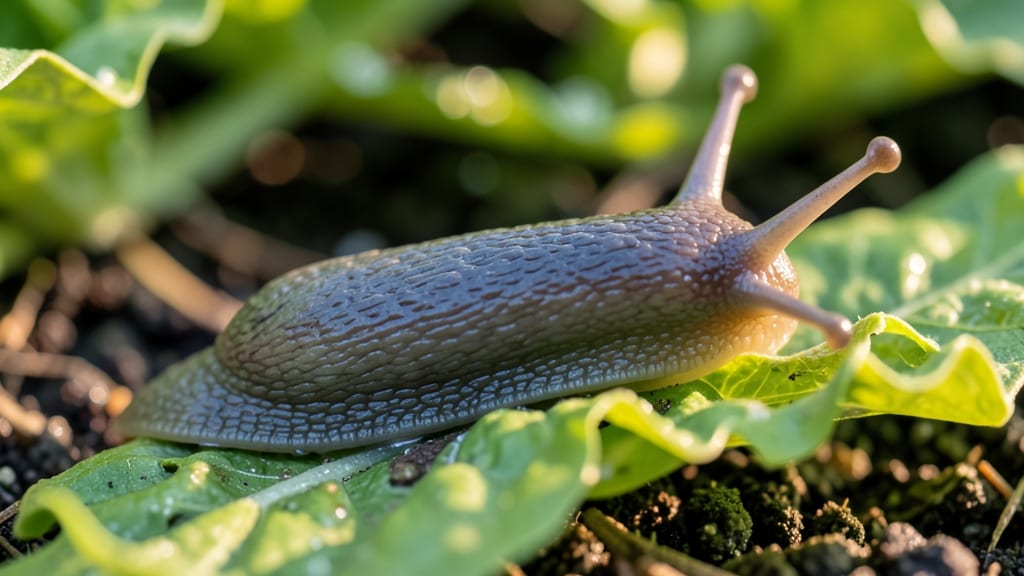
Are slugs bad for gardens? Yes—these pests are devastating since they chew through leaves, stems, and blooms, leaving jagged holes, silvery slime trails, and often killing young plants overnight. Their relentless feeding weakens mature plants and turns ornamental beds into a skeletonized mess within days.
These nocturnal pests thrive in moist, shaded areas where they can hide during the day and strike after dark. 🌙 They particularly target tender, soft plants like lettuce, hostas, and roses, but won't hesitate to munch on vegetables or herbs either.
The damage isn't just cosmetic—slugs can completely defoliate seedlings in a single night, leaving gardeners with nothing but frustration and wasted effort.
What makes them even more problematic is their ability to spread plant diseases through their slime trails. This sticky residue creates the perfect environment for fungal infections, which can further stress already compromised plants.
If you've ever found your carefully nurtured garden looking like a buffet aftermath, slugs were likely the culprits.
💡 In This Article
- What Slugs Eat and How They Destroy Plants
- Natural Slug Control Methods for Organic Gardens
What slugs eat and how they destroy plants
Slugs are like the garden's nighttime raiders, specializing in soft, moist plant tissues that offer minimal resistance. Their razor-sharp tongues (radula) can slice through delicate leaves with ease, leaving behind characteristic irregular, jagged holes that distinguish their work from insect damage.
They particularly target plants with thin, fleshy leaves like lettuce, spinach, and hostas, but won't hesitate to attack woody stems of young roses or even fruit trees.
The real damage happens overnight when these pests become most active.
A single slug can consume up to 10 times its body weight in plant material per night—meaning a 1-inch slug could devour 0.5 square feet of leaves in just a few hours. 🌙 Their feeding patterns are methodical: they start with the youngest, most tender growth first, then work their way outward.
This selective feeding weakens plants by removing their ability to photosynthesize, which can lead to stunted growth or death in severe cases.
Beyond the physical damage, slugs leave behind a trail of silvery slime that serves multiple purposes. This mucus isn't just a lubricant—it contains enzymes that break down plant cell walls, making digestion easier. The slime also creates a protective barrier that helps slugs retain moisture and evade predators.
Unfortunately, this same slime can transmit fungal spores and bacteria between plants, turning a simple feeding session into a disease transmission event.
What makes slugs particularly insidious is their ability to exploit garden conditions. They thrive in shady, damp environments where moisture levels stay high—think mulched beds, under dense foliage, or near irrigation systems. In containers, they'll target the soil surface where moisture accumulates.
The damage progression is often silent: one morning you might notice a few small holes, but by evening, entire leaves could be skeletonized if conditions are right.
Consider this comparison: a single slug can do as much damage in one night as 50 aphids would in a week. Their impact is amplified because they're not picky eaters—they'll consume both edible crops and ornamental plants alike.
For example, they'll happily munch on your prized hostas while simultaneously destroying tomato seedlings in the same garden bed. This indiscriminate feeding makes them one of the most universally problematic garden pests.
Here's what their feeding damage typically looks like:
- Initial stage: Small, irregular holes along leaf edges (often 1/4-inch wide)
- Progressive stage: Larger gaps in leaves, sometimes with slime trails connecting feeding sites
- Advanced stage: Entire leaves reduced to midribs, stems chewed, and plants showing signs of stress (yellowing, wilting)
The key to understanding slug damage is recognizing that it's rarely random—it follows their natural behaviors and preferences. By knowing their patterns, you can better protect your plants before they become a full-blown infestation. 🌱