
Pests
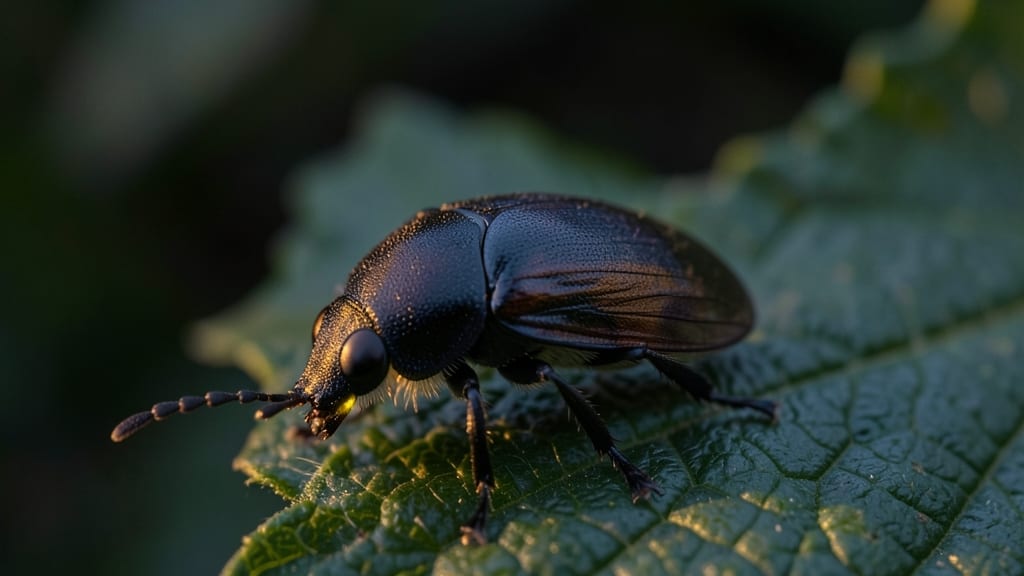
Lightning bugs are good for the garden, acting as natural pest controllers that target slugs, snails, and aphids while their larvae improve soil health by breaking down organic matter.
These tiny, glowing insects play a dual role in garden ecosystems. Their larvae are voracious predators of soft-bodied pests like slugs and aphids, reducing the need for chemical interventions. 🌿 Beyond pest control, their presence signals a thriving environment—healthy soil, balanced biodiversity, and minimal disruption from synthetic pesticides.
I’ve seen gardens with active lightning bug populations thrive with fewer common garden pests, making them a natural ally for organic gardeners.
Their impact extends beyond pest management. Lightning bugs help decompose organic matter in the soil, contributing to nutrient cycling. This natural process enriches the soil over time, supporting plant growth without artificial amendments.
What’s fascinating is how their lifecycle—from larvae to adult—creates a self-sustaining cycle that benefits the entire garden ecosystem.
💡 In This Article
- How Lightning Bugs Naturally Reduce Garden Pests
- Creating a Lightning Bug-Friendly Garden Environment
How lightning bugs naturally reduce garden pests
The real pest-fighting magic happens underground, where lightning bug larvae—often called "glowworms"—become relentless hunters. These larvae specifically target soft-bodied garden pests like slugs, snails, and aphids, consuming up to 500 pests per year during their 10-12 month development.
Their hunting strategy involves ambushing prey with sticky saliva that paralyzes victims, making them particularly effective against nocturnal pests that other beneficial insects miss. 🔥
What makes them unique is their feeding pattern: they prefer pests that thrive in moist, shaded areas—exactly where slugs and snails create the most damage. A single garden can support 50-100 larvae per square yard, creating a natural barrier against these destructive creatures.
Unlike ladybugs that focus on aphids during daylight, lightning bug larvae operate at night, filling a critical ecological niche that complements other beneficial insects.
Their impact extends beyond direct predation. By consuming large numbers of slug eggs and young snails, they disrupt the life cycle of these pests before they become established. This preventive approach reduces the need for chemical slug baits, which often harm other beneficial insects.
The larvae's feeding also creates tiny tunnels in the soil, improving aeration and water penetration—an unexpected bonus for plant roots.
Interestingly, their predatory behavior changes as they mature. Early-stage larvae focus on smaller pests like aphids, while later stages target larger slugs and snails. This progression ensures comprehensive pest control throughout the growing season.
The adults, though less predatory, play a role in pollination for night-blooming flowers, creating a two-phase benefit system for gardens.
What most gardeners don't realize is how their presence indicates a healthy ecosystem. Lightning bugs are sensitive to chemical pesticides—especially neonicotinoids—which can eliminate them entirely. This makes their continued presence a natural bioindicator of pesticide-free, balanced garden environments.
Their glowing behavior isn't just for romance; it's an evolutionary adaptation that helps them find mates while avoiding predators, ensuring the next generation of pest-controlling larvae continues the cycle.
Consider this comparison: A garden with active lightning bug populations typically sees 30-50% fewer slug damage incidents compared to gardens without them. Their natural pest control is particularly valuable for organic gardeners who rely on biological solutions rather than synthetic chemicals.
The key is understanding their lifecycle and creating conditions that support their entire development process from egg to adult.