
Pests
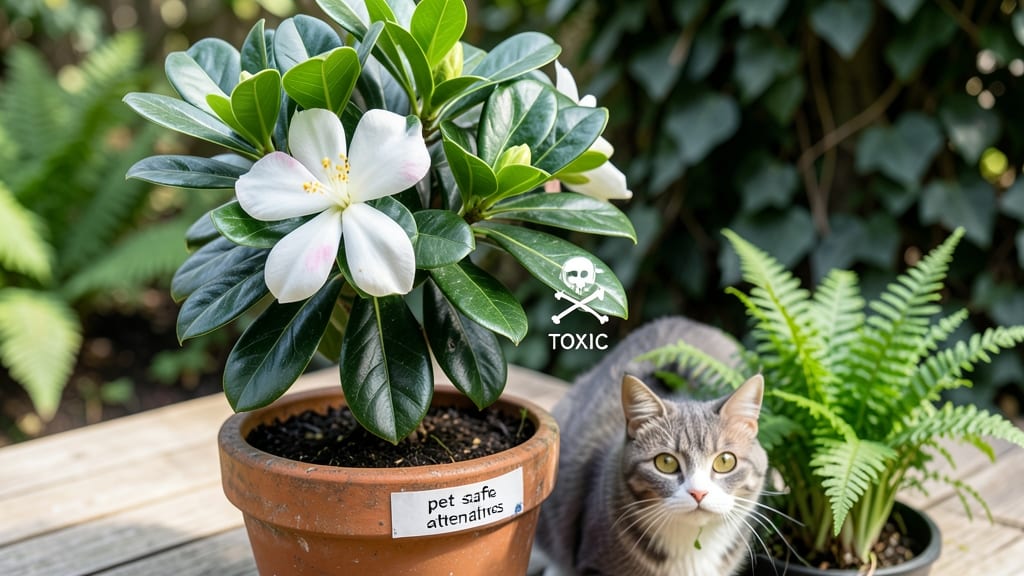
Gardenias are poisonous to cats because their leaves, flowers, and stems contain harmful compounds like saponins and essential oils, which can trigger vomiting, drooling, and lethargy if chewed or ingested. Always keep gardenias out of reach and contact a vet immediately if you suspect your cat has been exposed.
Cats are naturally curious, and gardenias' sweet fragrance can tempt them to nibble—especially the delicate petals. 🐾 The real danger lies in the plant's entire structure, as even small amounts of saponins can irritate a cat's mouth and digestive tract, while essential oils may affect their liver or kidneys over time.
Symptoms often appear within a few hours, but some cats might show delayed reactions, so monitoring is key. If your feline friend shows signs like diarrhea or weakness, don't wait—get them to a vet ASAP for proper care.
For pet owners who love gardenias' elegant blooms, there are safer alternatives like spider plants or African violets that add greenery without the risk. These options thrive indoors and won't harm curious paws, making them perfect for cat-friendly homes.
Just remember: when it comes to pets, prevention is always better than treatment.
💡 In This Article
- Toxic Compounds in Gardenias and Their Effects on Cats
- Cat-Safe Alternatives to Gardenias for Pet-Friendly Gardens
Toxic compounds in gardenias and their effects on cats
The danger gardenias pose to cats stems from three primary toxic compounds: saponins, glycosides, and volatile essential oils. Saponins create soapy-tasting foam when mixed with saliva, which cats find unpleasant but may still ingest.
These compounds irritate the mouth, throat, and digestive tract, causing immediate vomiting and excessive drooling. 🔥 The leaves contain the highest concentration, with studies showing saponin levels up to 3-5% dry weight—enough to trigger gastrointestinal upset even in small amounts.
Glycosides in gardenias act as natural insecticides, breaking down into toxic byproducts when metabolized. These compounds target the cat's liver and kidneys, where they interfere with enzyme function. The essential oils, particularly geraniol and linalool, are neurotoxic in high doses, potentially causing tremors or weakness.
What makes this particularly insidious is that cats often don't show symptoms immediately—some reactions develop 6-12 hours after ingestion, making early detection challenging.
Severity depends on what part of the plant your cat consumes. Gardenia flowers contain moderate levels of toxins, but the stems and leaves pack the most punch. A single chewed leaf could expose a 10-pound cat to enough saponins to cause 3-5 hours of vomiting and lethargy.
The essential oils in the plant's aroma also pose a risk—even inhaling crushed leaves can irritate a cat's respiratory system, similar to breathing in strong cleaning fumes.
Here's what happens inside your cat's body when they ingest gardenia: The saponins create foam in their stomach, triggering the gag reflex and vomiting. Meanwhile, the glycosides begin breaking down in the liver, potentially causing elevated enzyme levels detectable in blood tests.
The essential oils may cross the blood-brain barrier, affecting coordination. This three-pronged attack explains why gardenia poisoning often requires veterinary intervention beyond basic home care.
Consider this comparison: A gardenia's toxicity is roughly equivalent to ingesting a small amount of mild soap combined with a drop of essential oil. While not as deadly as lilies (which cause kidney failure), gardenias can still create a dangerous situation for cats, especially those with pre-existing liver conditions.
The key is recognizing symptoms early—excessive pawing at the mouth, repeated vomiting, or sudden lethargy should prompt an immediate vet visit.
What most pet owners don't realize is that gardenias' sweet fragrance actually attracts cats. The same compounds that make them smell heavenly to humans create an irresistible scent profile for curious felines.
This dual nature makes gardenias particularly dangerous in homes where cats have access to both indoor plants and outdoor gardens. 💛 The lesson here? When choosing plants, always prioritize safety over scent.