
How To
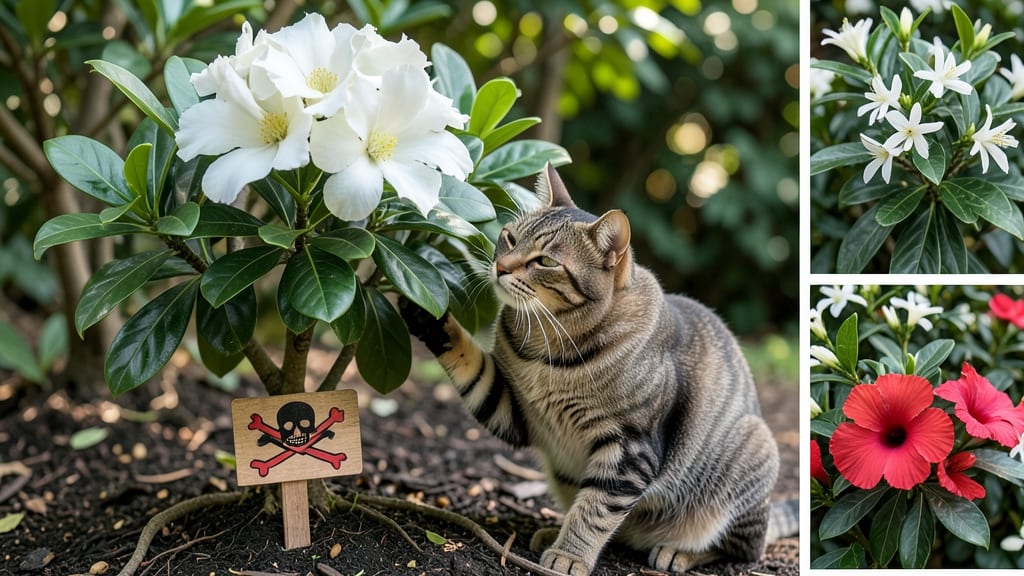
Gardenias are toxic to cats because their leaves, flowers, and stems contain harmful glycosides that can trigger vomiting, excessive drooling, and lethargy if chewed or swallowed. Always place them where your cat can't reach to avoid accidental poisoning.
Gardenias contain glycosides, which break down into cyanogenic compounds when ingested—these disrupt your cat's digestive and nervous systems. 🐱 Even small nibbles can cause mild symptoms like nausea, while larger amounts may lead to more severe reactions like difficulty breathing.
I recommend removing gardenias from indoor spaces entirely if you have curious pets, as the scent alone won't deter them from investigating with their mouths.
For pet owners who love flowers but need safer options, consider cat-friendly plants like spider plants or Boston ferns. These thrive indoors and won't harm your feline companions. Always research before adding new plants to your home—some common houseplants, like lilies, are even more dangerous than gardenias.
💡 In This Article
- Toxic Compounds in Gardenias and Their Effects on Cats
- Cat-Safe Flower Alternatives for Pet-Friendly Gardens
Toxic compounds in gardenias and their effects on cats
The primary culprit in gardenia toxicity is a group of compounds called glycosides, specifically amygdalin and linamarin. When your cat chews on gardenia leaves, flowers, or stems, these glycosides break down into cyanogenic compounds through enzymatic action in their digestive system.
This process releases hydrogen cyanide, a toxic byproduct that interferes with cellular oxygen utilization. 🔥 The result is a disruption in energy production at the cellular level, particularly affecting organs like the liver and brain.
Symptom severity depends on the amount ingested. A small nibble might cause mild gastrointestinal upset, including vomiting, diarrhea, and excessive drooling, within 6-12 hours. However, larger quantities can lead to more dangerous symptoms like difficulty breathing, dilated pupils, weakness, or even collapse.
The ASPCA reports that gardenias rank as moderately toxic to cats, with symptoms typically appearing within 2-6 hours of ingestion. Unlike some plants that cause immediate reactions, gardenias' effects develop gradually as the cyanogenic compounds take effect.
What makes gardenias particularly risky is their fragrant, waxy leaves and delicate petals, which cats often find irresistible. The plant's sweet scent is produced by the same volatile oils that contain the toxic glycosides.
When a cat investigates with their mouth—whether out of curiosity or because they're attracted to the smell—they're directly exposing themselves to these harmful compounds. 💫 Unlike some toxic plants that require large amounts to cause problems, gardenias can trigger reactions even from small exposures, especially in cats with sensitive digestive systems.
The nervous system is particularly vulnerable to gardenia toxicity. Hydrogen cyanide binds to cytochrome oxidase in mitochondria, effectively blocking oxygen utilization in cells. This leads to symptoms like lethargy, tremors, or even seizures in severe cases.
The liver is also at risk because it must process these foreign compounds, potentially leading to hepatic stress. While most cases resolve with supportive veterinary care, the potential for rapid deterioration makes gardenias a serious concern for pet owners.
Interestingly, the toxicity isn't limited to fresh plant material. Dried gardenia petals or even wilted leaves can still contain significant levels of glycosides, though their concentration may decrease over time. This means that even decorative arrangements or potpourri containing gardenia parts pose a risk.
The key is understanding that any part of the plant—leaves, flowers, stems, or even the roots—contains these harmful compounds. 🌿
For context, compare gardenias to other common toxic plants: lilies (which are highly toxic even in small amounts) and poinsettias (which cause more severe oral irritation). Gardenias fall somewhere in between—moderately toxic but capable of causing noticeable discomfort.
The critical difference is that gardenias' effects are more systemic, affecting multiple organ systems rather than just the mouth or digestive tract. This makes early intervention especially important for cats showing any signs of ingestion.