I remember the first tomato I grew from seed—it was tiny, red, and tasted like sunshine on a summer afternoon. That moment hooked me for life. Now, I spend my days digging into soil, chasing the perfect bloom, and sharing the little joys of gardening that make it all worthwhile. This site is where I pass along the lessons I’ve learned, the plants that thrive in my zone, and the quiet magic of watching something grow from nothing.
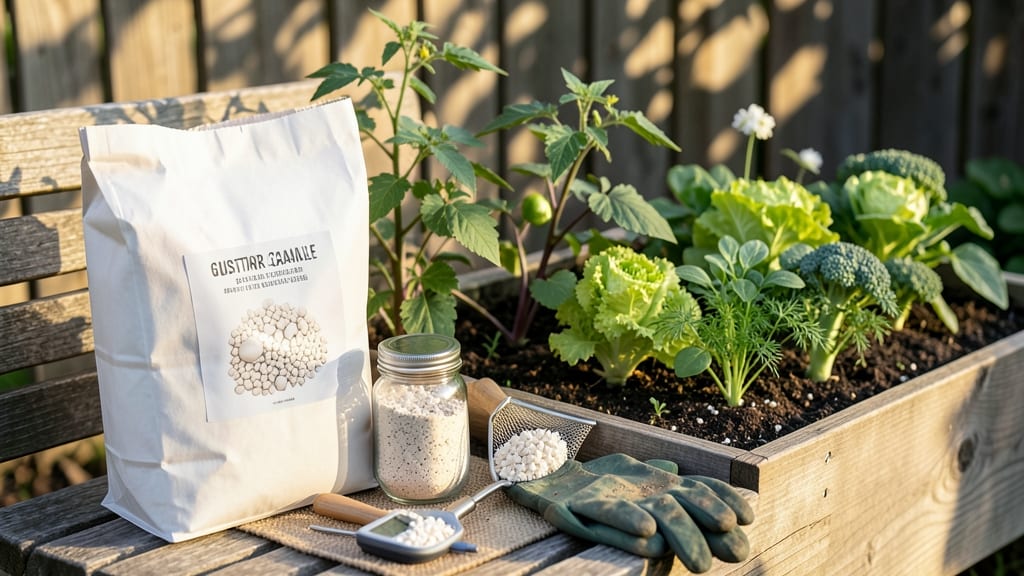
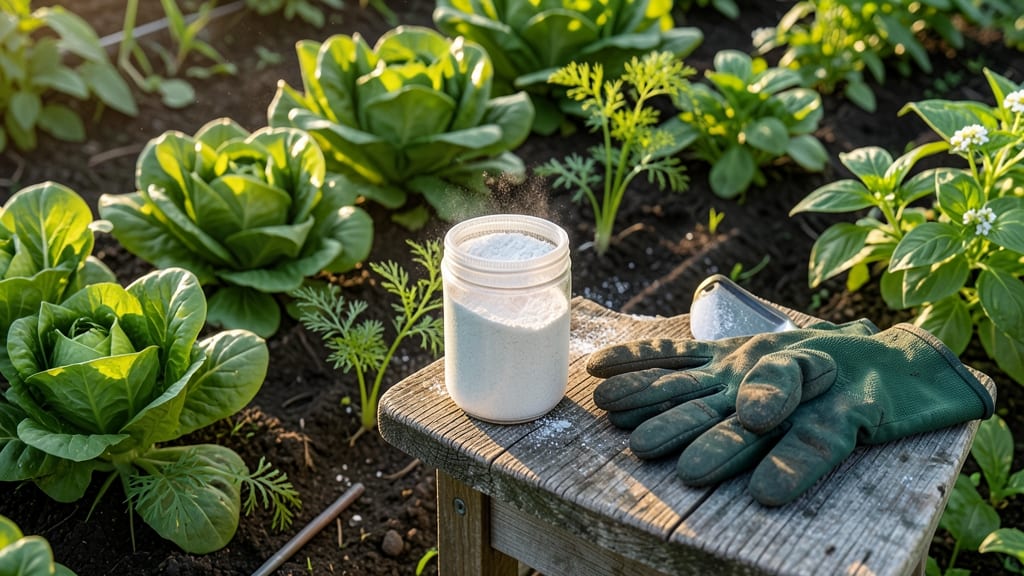
💥 Quick Answer Calcium for vegetable gardens strengthens plant cell walls, prevents common issues like blossom-end rot in tomatoes, and enhances soil structure for better root development. Use 1-2 pounds of gypsum per…
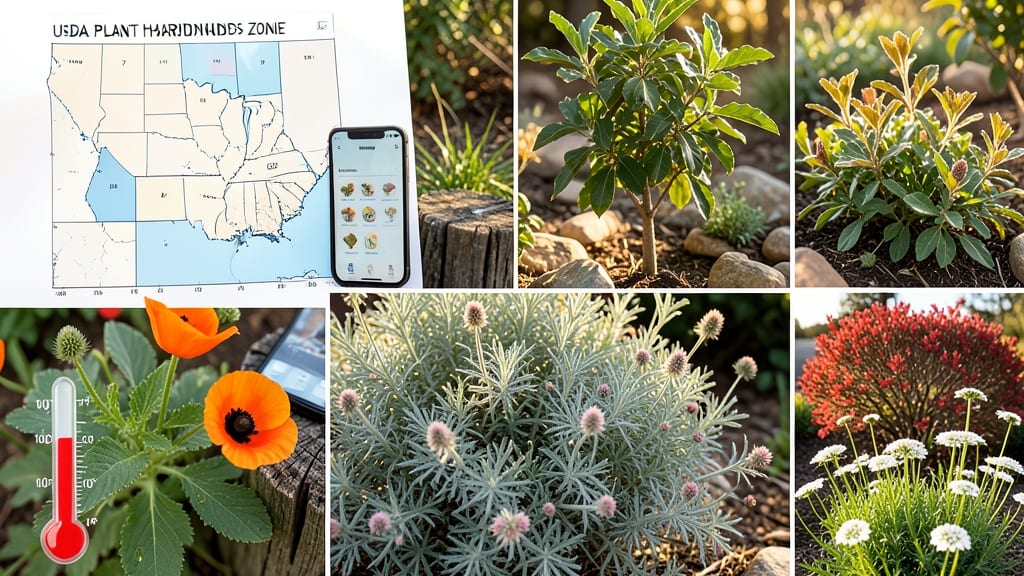
💥 Quick Answer California gardening zones range from 7 to 10, with coastal areas typically in zones 9-10 and inland regions in zones 7-9, determining frost risk, heat tolerance, and ideal planting times for your…
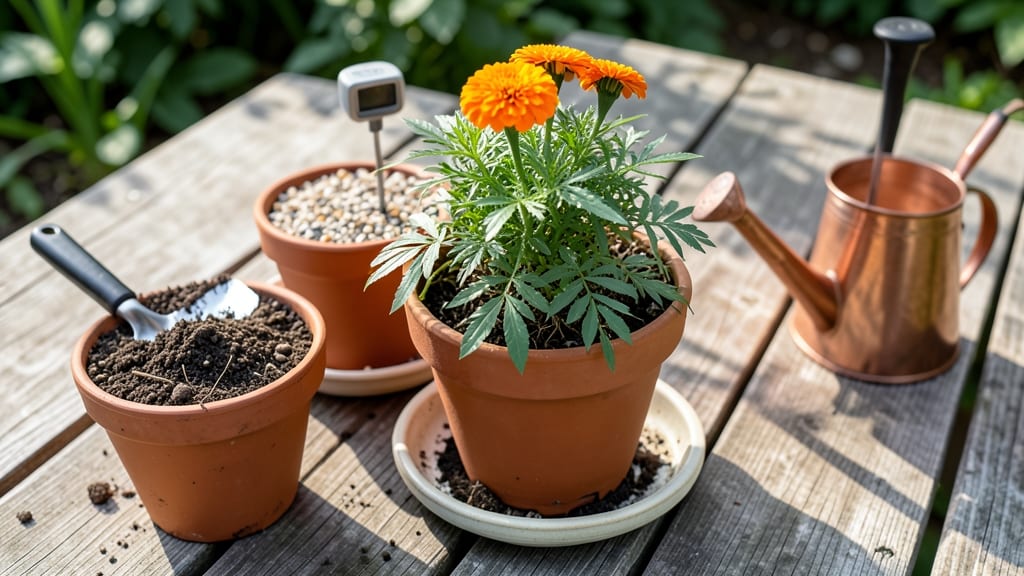
💥 Quick Answer Yes, garden soil can be used in pots—but only when properly amended. On its own, it compacts easily, drains poorly, and lacks the air pockets roots need. To fix this, blend it with perlite, coarse sand…
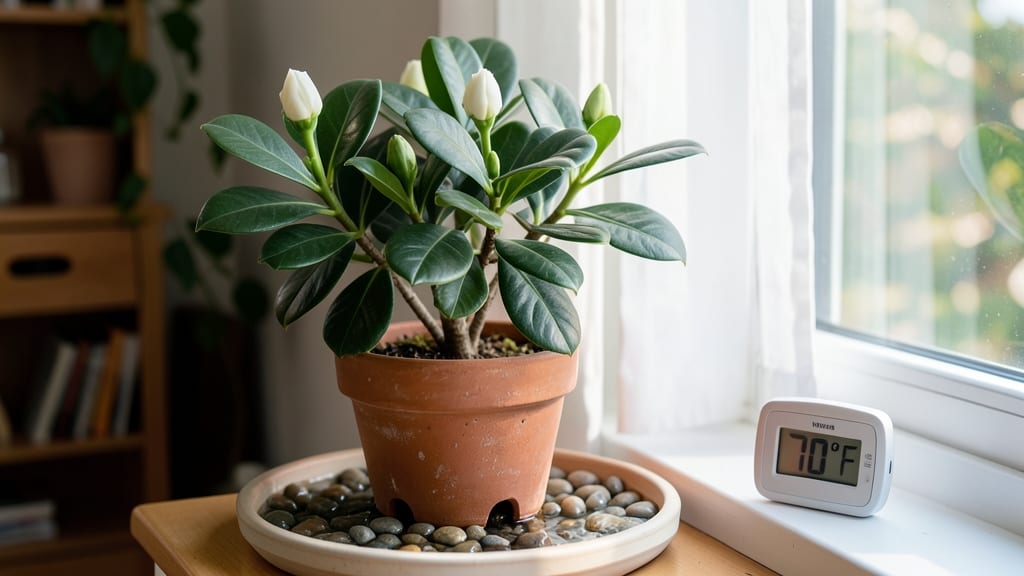
💥 Quick Answer Gardenias can be grown indoors with proper care: place them near bright, indirect light, maintain 60-70% humidity, and prune regularly to encourage blooming. Their tropical needs require consistent warmth…
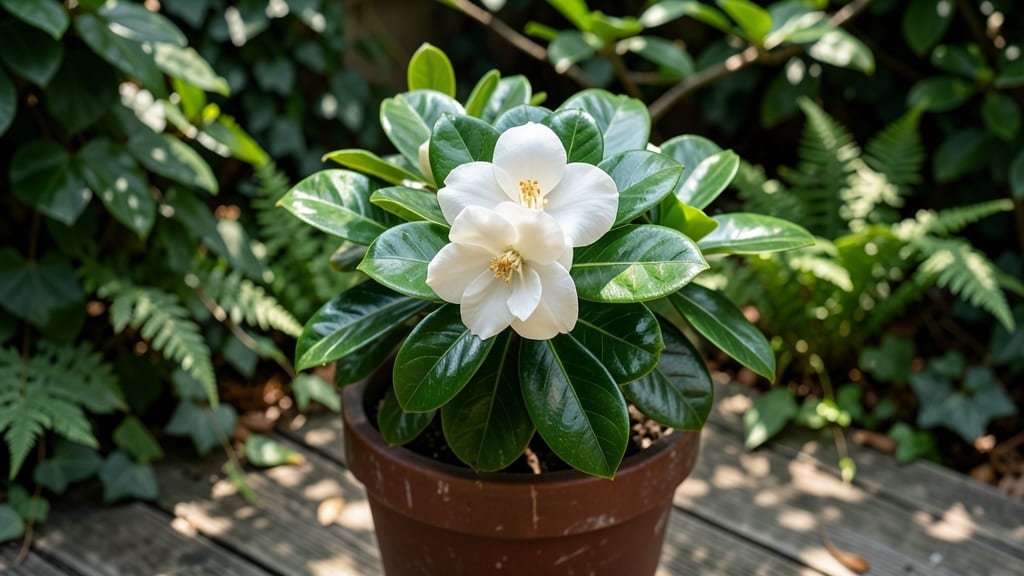
Gardenia 🌸 can grow in shade—but only if you know the right balance between light and care to keep those fragrant blooms coming. Picture this: your backyard has dappled shade from towering oaks, and you’ve always…
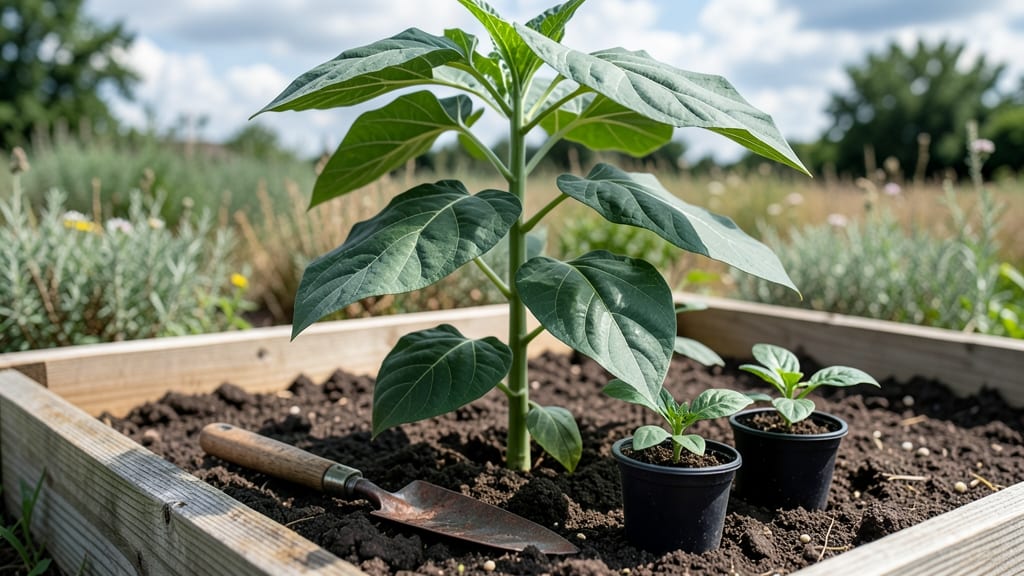
💥 Quick Answer You can grow tobacco in your garden, but you must first check local laws—many states and countries prohibit home cultivation due to strict regulations. Plant in well-draining soil with full sun exposure…
💥 Quick Answer Yes, you can put coffee grounds in your garden—they add nitrogen to the soil, draw earthworms, and discourage weeds, but use them carefully to prevent over-acidifying the soil or attracting slugs. Coffee…
💥 Quick Answer You can put diatomaceous earth in your garden, but use food-grade DE carefully —apply it lightly around plants to control pests like slugs, ants, and aphids while keeping it away from leaves to protect…
💥 Quick Answer You can sprinkle cinnamon in your garden safely for some plants, as it helps deter pests and prevents fungal growth—but use it sparingly to avoid disrupting soil pH and harming beneficial microbes. Focus…
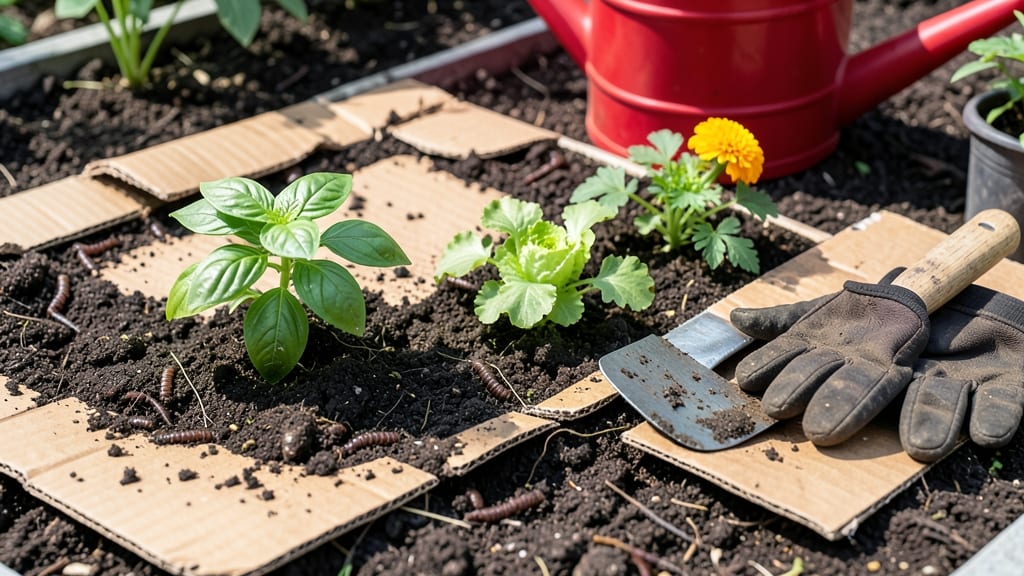
💥 Quick Answer You can use cardboard in your garden safely when it's unbleached and free of tape or staples, as it decomposes into nutrient-rich mulch, blocks weeds, and helps retain soil moisture. Just avoid treated or…