
Plants
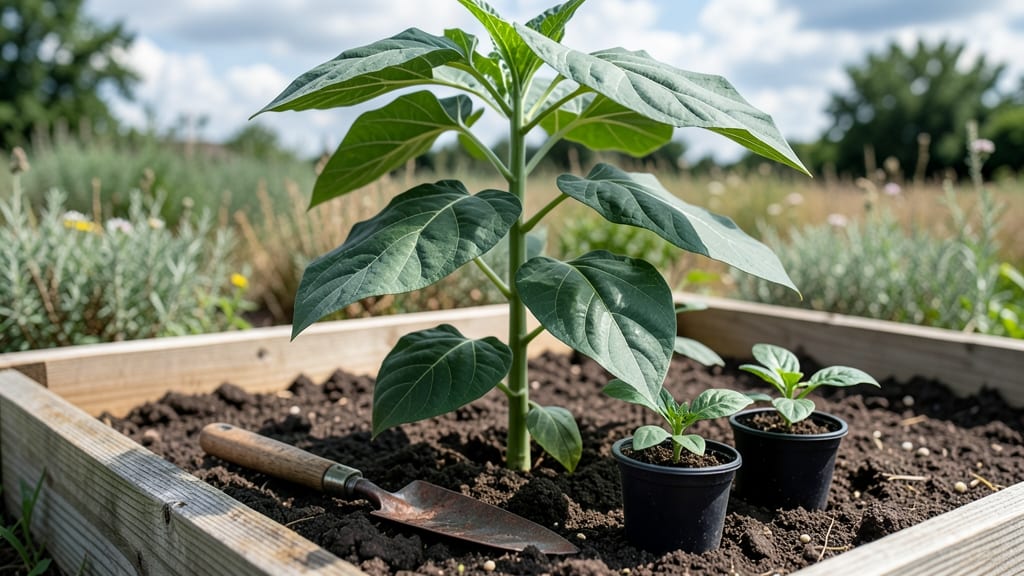
You can grow tobacco in your garden, but you must first check local laws—many states and countries prohibit home cultivation due to strict regulations. Plant in well-draining soil with full sun exposure and maintain consistent moisture, while keeping pets and children away due to nicotine toxicity.
Before planting, research your area's specific regulations, as some places require permits or ban cultivation entirely. 🌱 Tobacco thrives in loose, slightly acidic soil with excellent drainage—think sandy loam—and needs at least 6–8 hours of direct sunlight daily.
The plants also benefit from regular watering but hate soggy roots, so mulching helps maintain moisture without suffocating the roots. Since nicotine is harmful to animals, consider growing in a secure, enclosed area if you have pets.
For best results, space plants 18–24 inches apart to allow airflow, which reduces disease risk. A balanced organic fertilizer with nitrogen, phosphorus, and potassium (like 5-5-5) applied every 4–6 weeks supports healthy growth.
If you're growing ornamental varieties (like Nicotiana sylvestris), they're non-addictive but still toxic—always wear gloves when handling leaves.
💡 In This Article
- Legal Restrictions on Home Tobacco Cultivation
- Soil and Growing Conditions for Successful Tobacco Plants
Legal restrictions on home tobacco cultivation
Tobacco cultivation laws exist primarily to regulate taxation, prevent underage access, and protect public health. Many countries treat tobacco farming like an agricultural commodity with strict oversight—especially in the U.S., where the Federal Controlled Substances Act and state-level regulations often require permits for growing commercial-grade tobacco.
For example, California and New York ban home cultivation entirely, while states like Virginia and North Carolina have permits for licensed farmers but prohibit personal use. Penalties can range from fines to criminal charges, with some jurisdictions treating illegal cultivation as a felony if tied to drug trafficking.
Ornamental tobacco varieties (like Nicotiana sylvestris) are sometimes exempt from these rules because they contain negligible nicotine levels. However, even these plants can be restricted in public housing or HOAs due to their toxic nature.
Always check your local agricultural extension office or state department of revenue for specifics—some areas require 24-hour notice for inspections if you're growing tobacco legally.
The confusion often stems from how laws define "cultivation": a single plant might be legal for ornamental use, while a full garden could trigger commercial farming regulations.
Public health concerns drive many restrictions, particularly around nicotine exposure. Tobacco plants release nicotine-laden pollen that can drift into neighboring properties, posing risks to children and pets. Some states mandate buffer zones (like 50 feet) between tobacco fields and residential areas.
Even in legal states, growing tobacco near schools or parks can lead to fines under public nuisance laws. The irony? Many gardeners unknowingly violate rules by growing ornamental tobacco without verifying local ordinances.
Age restrictions also play a role—some states require growers to be 21+ and provide ID during inspections. This is why seed companies often include disclaimers about legal compliance. For instance, if you order tobacco seeds online, the seller may ask for proof of age or require a signature upon delivery.
The legal gray area widens when considering hydroponics or indoor growing setups, which some states classify as "commercial cultivation" even for personal use.
If you're determined to grow tobacco, document your plants' progress—photographs and growth logs can prove they're ornamental or for personal use (not resale). Some states allow one mature plant for personal consumption, but this varies wildly.
For example, Oregon permits home cultivation with a $20 annual permit fee, while Texas requires a $500 bond for any tobacco-related activity. Always assume "no news is bad news" when it comes to local ordinances.
What most people don't realize is that even legal cultivation can trigger unintended consequences. For instance, growing tobacco in a community garden might violate HOA rules, even if state law allows it.
Always check with your local agricultural agent or a tobacco farming association before planting—some offer free consultations to help navigate the legal maze. 🚨