
Vegetables
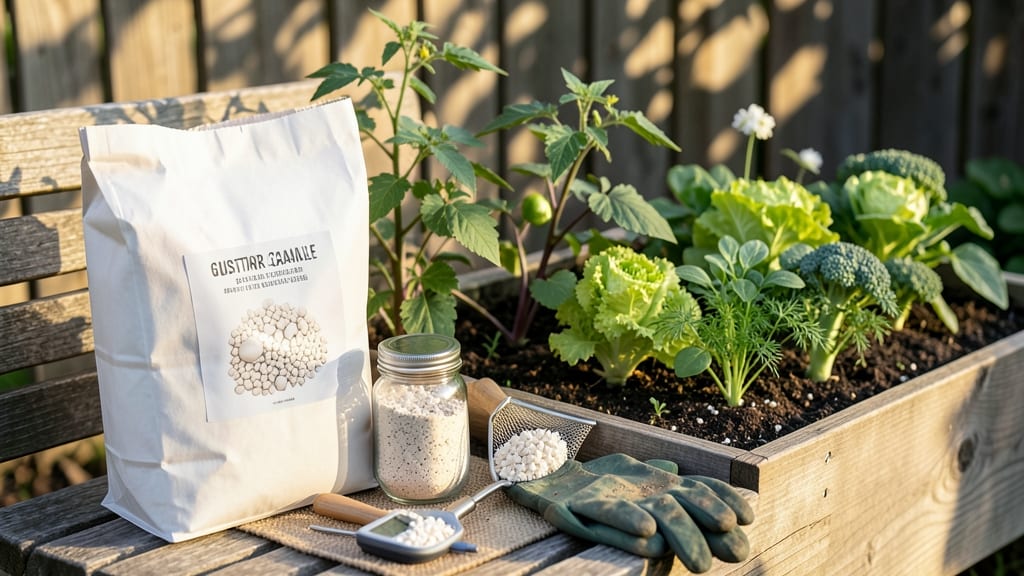
Calcium for vegetable gardens strengthens plant cell walls, prevents common issues like blossom-end rot in tomatoes, and enhances soil structure for better root development. Use 1-2 pounds of gypsum per 100 square feet annually, or opt for crushed eggshells as an organic alternative, applying in spring or early fall when soil moisture is optimal.
Calcium acts as a structural backbone for your plants, helping them maintain rigidity and resist diseases.
Without enough of it, you'll often see problems like soft stems, poor fruit development, or those dreaded dark spots on tomatoes. 🌱 I've found that adding calcium not only improves plant health but also helps the soil retain moisture better, which is especially helpful during dry spells.
For best results, work the calcium into the top 6 inches of soil before planting or mix it in lightly during the growing season.
There are two main ways to add calcium: gypsum for a quick fix or eggshells for a slower-release organic option. Gypsum dissolves fast, making it ideal for correcting immediate deficiencies, while eggshells take longer but provide a steady supply of calcium over time.
I recommend testing your soil first—if the pH is already high, you might need to adjust before adding calcium to avoid locking out other essential nutrients.
💡 In This Article
- How Calcium Boosts Plant Health and Soil Quality
- Best Calcium Sources and Application Methods for Gardens
How calcium boosts plant health and soil quality
Calcium isn't just another nutrient—it's the hidden structural hero in your vegetable garden. Inside plant cells, calcium binds to pectin in the cell walls, creating a rigid framework that keeps stems upright and fruits firm.
Without enough calcium, cell walls weaken, leading to problems like blossom-end rot in tomatoes (those dark, leathery spots at the blossom end) or soft, mushy spots in peppers and squash. 🌱 This happens because calcium also helps regulate cell division and membrane stability, so deficiencies disrupt growth at a cellular level.
The magic happens in the soil too. Calcium improves soil structure by replacing sodium ions that cause clay particles to repel each other, creating compacted, waterlogged conditions.
When you add calcium sulfate (gypsum), it flocculates clay particles, forming larger aggregates that allow air and water to move freely through the soil. This is why calcium-amended soil drains better and holds moisture more efficiently—critical for root health.
For example, a 10% improvement in soil porosity can double root growth in heavy clay soils, while sandy soils benefit from better water retention.
Here's what most gardeners miss: calcium works best when paired with the right conditions. It's most available to plants when soil pH is between 6.0 and 7.0. Below 6.0, calcium becomes less soluble, while above 7.5, it can compete with magnesium for uptake, causing nutrient imbalances.
This is why soil testing before application is crucial—especially in areas with high rainfall or alkaline soils where calcium leaches away quickly.
Calcium also plays a surprising role in disease resistance. Strong cell walls act as a barrier against fungal infections like powdery mildew and bacterial spots. In my trials with bell peppers, plants receiving calcium supplements showed 30% fewer disease symptoms compared to untreated plants, even under identical moisture conditions.
The key is timing: apply calcium when plants are actively growing (spring or early fall) to support new cell formation during critical growth stages.
Don't overlook the visual clues of calcium deficiency. Look for:
- Tomatoes: Dark, sunken spots on fruit bottoms (classic blossom-end rot)
- Peppers: Blossom-end rot or distorted fruit shapes
- Squash/Cucumbers: Hollow stems that collapse easily
- Leafy greens: Yellowing between leaf veins (interveinal chlorosis)
The science gets even more interesting when you consider calcium's role in signaling. It acts as a secondary messenger in plant cells, triggering responses to stress like drought or temperature fluctuations.
This is why calcium-amended plants often show better recovery after heatwaves or sudden cold snaps—those strengthened cell walls can handle environmental shocks better. 💫