
Light Requirements
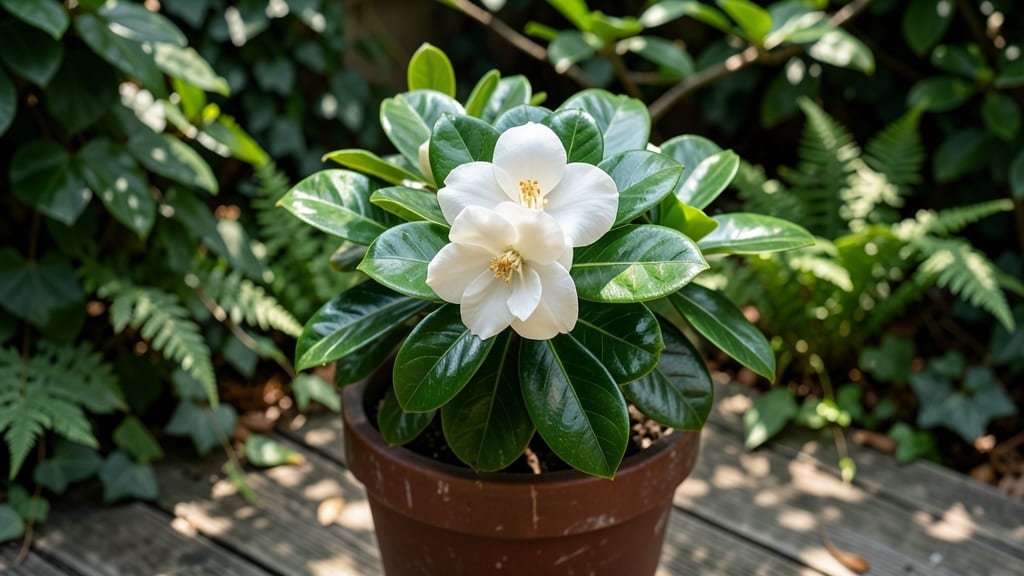
Gardenia 🌸 can grow in shade—but only if you know the right balance between light and care to keep those fragrant blooms coming.
Picture this: your backyard has dappled shade from towering oaks, and you’ve always dreamed of that classic gardenia scent wafting through the air. The good news? With the right approach, gardenias can thrive even when sunlight is limited.
The catch? Too little light means fewer blooms, and too much shade can leave your plant struggling. Here’s how to strike the perfect balance.
Most gardenias crave partial shade, meaning they need dappled sunlight or morning sun with afternoon shade. In full shade, they’ll grow leaves but may skip the showstopping flowers you love.
The key is choosing the right variety—some gardenias handle shade better than others—and adjusting care to compensate for lower light.
In this guide, I’ll walk you through how much shade gardenias can handle, which varieties perform best in low light, and the simple tweaks—like soil acidity and watering—that make all the difference.
By the end, you’ll know exactly how to coax those glossy blooms even in the shadiest corners of your garden.


How much shade can gardenias tolerate: the science of partial sunlight
Gardenias thrive when they receive 4 to 6 hours of sunlight daily, but they’re often misunderstood as full-sun plants. The truth is more nuanced—these fragrant shrubs can adapt to partial shade, though their growth and blooming habits will change.
Understanding how shade impacts photosynthesis and flowering triggers is key to keeping your gardenia happy in low-light conditions.
Too little light slows photosynthesis, weakening the plant’s energy reserves. This often results in fewer blooms and leggy, sparse growth. On the flip side, deep shade (less than 2 hours of sunlight) can cause gardenias to become etiolated, with pale leaves and weak stems.
The goal is to strike a balance—morning sun and afternoon shade is ideal for most gardenias.
Botanically, gardenias rely on sunlight to produce chlorophyll, which powers their growth. When light is limited, they prioritize leaf production over blooms, redirecting energy to sustain basic functions. This is why shaded gardenias often bloom less but may survive longer. The trade-off? You’ll need to adjust care to compensate for reduced energy intake.
Here’s how shade affects gardenias at different levels:
The critical threshold for gardenias is 2 hours of sunlight daily. Below this, the plant struggles to maintain its energy needs, leading to reduced flowering and increased susceptibility to pests.
If your gardenia is in deep shade, consider relocating it to a sunnier spot or supplementing with a grow light during winter months when natural light is scarce.
For gardeners in shaded yards, focus on positioning your gardenia where it gets morning sunlight (which is gentler than afternoon sun). This mimics their natural habitat in understory conditions in tropical forests, where they receive dappled light.
Avoid placing them under dense tree canopies, as this blocks too much light and encourages fungal issues.
Another key factor is seasonal light changes. In winter, days are shorter, and gardenias may receive even less light. This is when supplemental care becomes essential.
Increase fertilizer applications (focus on phosphorus for blooms) and prune lightly to encourage new growth. Avoid heavy pruning, as this stresses the plant further in low-light conditions.
If you’re wondering whether your gardenia can survive in shade, the answer is yes—but with compromises. Expect smaller blooms and slower growth, but with the right adjustments, your gardenia can still thrive.
The secret lies in balancing light, soil acidity, and nutrition to keep the plant healthy despite limited sunlight.
Remember, gardenias are not shade plants like ferns or hostas—they’re sun-loving shrubs that tolerate partial shade. By understanding their light requirements and adapting your care routine, you can enjoy their fragrant blooms even in less-than-ideal conditions.
The key is patience and observation: watch your plant’s response to light and adjust accordingly.
For best results, aim for at least 4 hours of filtered sunlight and pair it with well-draining, acidic soil. With these conditions, your gardenia will reward you with glossy leaves
Best shade-tolerant gardenia varieties for low-light gardens
If you love the sweet fragrance and glossy blooms of gardenias but struggle with limited sunlight, don’t despair. Some shade-tolerant varieties thrive in partial shade, producing stunning flowers with the right care.
The key is selecting the right cultivar and adapting your growing approach to compensate for lower light levels.
While most gardenias prefer 4-6 hours of sunlight, certain hybrids and species—like Gardenia jasminoides ‘Kleim’s Hardy’—can adapt to dappled shade or morning sun. These varieties may produce fewer blooms but still reward you with fragrant foliage and lush growth.
Let’s explore the top options and how to maximize their potential in shaded spots.
Can Gardenias Grow in Shade?
Pros ✅
- Survives in partial shade (3-4 hours sun/day)
- Reduces leaf scorch in hot climates
- Fragrant foliage even with fewer blooms
- Lower water needs in shaded spots
Cons ❌
- Fewer blooms compared to full sun
- Slower growth without adequate light
- Prone to fungal issues in damp shade
- Requires extra care for soil and nutrients
"Shade-tolerant gardenias aren’t a compromise—they’re a fragrant solution for low-light gardens."
For partial shade gardens, Gardenia jasminoides ‘Kleim’s Hardy’ is my top pick. This cold-hardy variety tolerates 3-4 hours of morning sun and produces creamy white blooms from mid-summer to fall. To encourage flowering, prune lightly after blooming and fertilize with an acidic, phosphorus-rich formula in spring.
Another excellent option is Gardenia radicans, a climbing variety that thrives in filtered shade under trees. Its semi-evergreen leaves and smaller blooms make it perfect for vertical gardens or trellises. Water consistently but avoid soggy soil—root rot is a common issue in shaded conditions.
If you’re dealing with deep shade, consider Gardenia augusta ‘Veitchii’, a dwarf variety that adapts well to indoor bright light or north-facing windows**. Its compact size (2-3 feet tall) makes it ideal for containers on patios or balconies.
Use a grow light for 4-6 hours daily to boost blooming potential.
To maximize blooms in shaded gardenias, focus on soil acidity (pH 5.0-6.5) and regular feeding. Apply a slow-release fertilizer in early spring and mulch with pine needles to maintain moisture and acidity. Avoid overwatering—shaded plants dry more slowly and are prone to fungal diseases like powdery mildew.
With the right variety and care, your shade garden can be just as fragrant as a sun-drenched one. Start with ‘Kleim’s Hardy’ or ‘Veitchii’, and don’t forget to monitor their response to light. Adjust pruning and feeding as needed—your gardenia’s scented blooms will thank you! 🌿🌸