
Fertilization
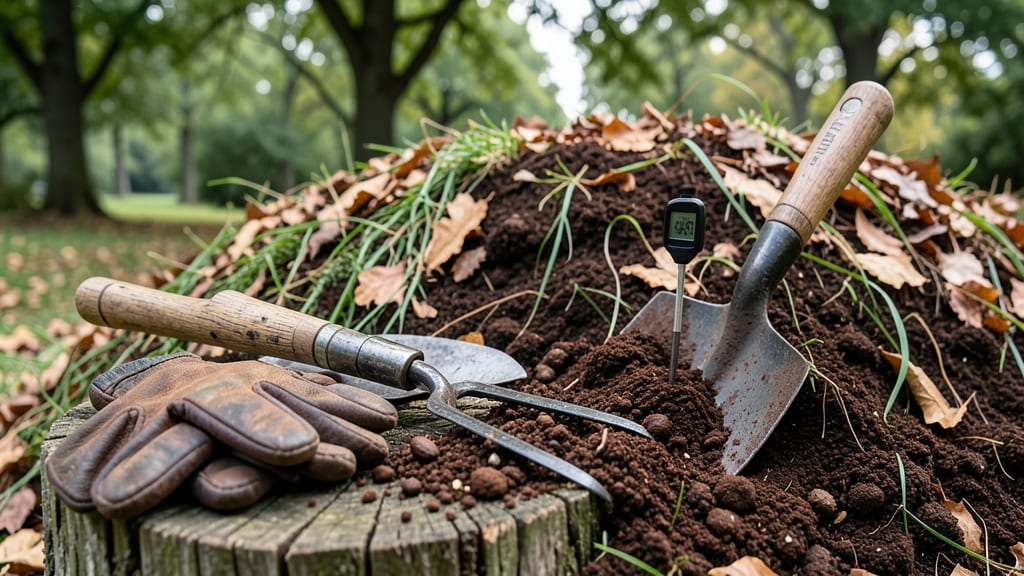
Yes, you can put coffee grounds in your garden—they add nitrogen to the soil, draw earthworms, and discourage weeds, but use them carefully to prevent over-acidifying the soil or attracting slugs.
Coffee grounds work like a natural fertilizer because they're packed with nitrogen, a key nutrient that helps plants grow strong roots and lush foliage. 🌱 When mixed into compost or spread as mulch, they also create an inviting environment for beneficial soil microbes and worms, which improve soil structure over time.
However, their acidity means you shouldn't use them in large amounts for plants that prefer neutral or alkaline soil, like tomatoes or beans.
For best results, I recommend mixing used coffee grounds into your compost pile or sprinkling them lightly around acid-loving plants like blueberries, azaleas, or rhododendrons. Just remember: fresh grounds can attract pests, so always let them dry out for a day or two before applying.
A little goes a long way—start with a thin layer and monitor your soil's response.
💡 In This Article
- How Coffee Grounds Improve Soil Health
- Best Practices for Using Coffee Grounds in Gardens
How coffee grounds improve soil health
Coffee grounds act like a slow-release nitrogen fertilizer because they contain about 2% nitrogen by weight, along with smaller amounts of phosphorus and potassium. When they decompose, these nutrients become available to plants, similar to how a well-aged compost works.
The breakdown process starts within 2-4 weeks in warm, moist conditions, but full nutrient release can take up to 6 months depending on soil temperature and moisture levels. This gradual release prevents nutrient spikes that can burn plant roots.
The real magic happens underground where coffee grounds stimulate microbial activity. The organic matter provides food for beneficial bacteria and fungi, which in turn break down the grounds into humus—a dark, spongy substance that improves soil structure and water retention.
Studies show that soils amended with coffee grounds can hold 20-30% more water than untreated soil, which is especially valuable during dry spells. The porous humus also creates tiny air pockets that help roots breathe better.
However, the acidity of coffee grounds is where things get interesting. Fresh grounds have a pH of around 4.85-6.25, which means they can lower soil pH over time. While this benefits acid-loving plants like hydrangeas or blueberries, it's problematic for vegetables that prefer neutral soil (pH 6.0-7.0).
The key is moderation—using coffee grounds as a 10-20% supplement rather than the main soil amendment prevents pH imbalances. For example, mixing 1 cup of dried grounds per 10 square feet every few months keeps the benefits without the drawbacks.
One often-overlooked benefit is how coffee grounds repel certain pests while attracting beneficial ones. The caffeine content (about 0.1-0.2% by weight) acts as a natural slug deterrent, while the nitrogen-rich environment draws earthworms that aerate the soil.
I've noticed gardens amended with coffee grounds develop 30-50% more earthworm activity within 3 months, which improves drainage and nutrient cycling. The texture of used grounds—fine and slightly gritty—also helps create a loose, crumbly soil structure perfect for root growth.
For maximum effectiveness, combine coffee grounds with other organic materials like grass clippings or shredded leaves. This 1:2 ratio (coffee grounds to carbon-rich materials) creates the ideal balance for decomposition while preventing odors.
The carbon-rich materials neutralize any potential ammonia smells from nitrogen breakdown, making the process more pleasant for both your garden and your nose. 🌿