
Planting
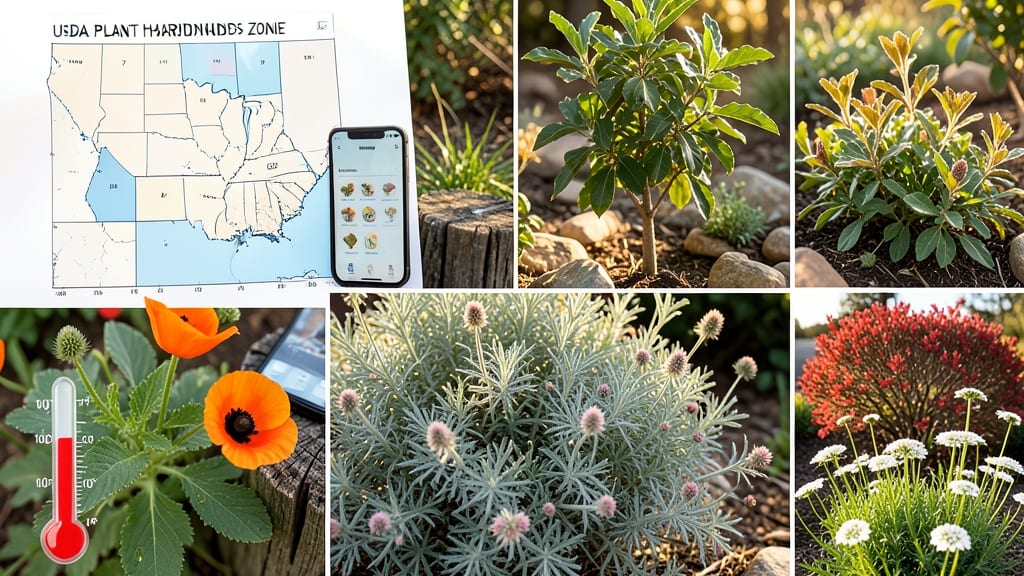
California gardening zones range from 7 to 10, with coastal areas typically in zones 9-10 and inland regions in zones 7-9, determining frost risk, heat tolerance, and ideal planting times for your garden’s success. Check the USDA Plant Hardiness Zone Map for precise local guidance.
Understanding California gardening zones helps you choose plants that thrive in your specific climate.
Coastal areas like San Diego stay warmer year-round, making them perfect for citrus and tropical plants, while inland valleys like Sacramento experience cooler nights that suit grapes and stone fruits. 🌿 The zone you're in directly impacts when you can plant, how much water your garden needs, and which varieties will survive local temperature swings.
For example, a Zone 7 garden in the Central Valley can handle frost down to 0°F, while Zone 10 coastal gardens rarely see temperatures below 30°F.
Beyond the official zone, microclimates play a huge role. A south-facing slope might be 2-3 zones warmer than the surrounding area, while a shady valley could be cooler. This is why gardeners often adjust their zone by half a number based on their specific spot.
Using this knowledge lets you extend your growing season, choose the right perennials, and avoid costly mistakes like planting frost-sensitive plants too early.
💡 In This Article
- How California’s Microclimates Affect Plant Hardiness Zones
- Practical Guide: Using California Zones to Select Plants
How California’s microclimates affect plant hardiness zones
California’s diverse geography creates dramatic temperature variations that shape its gardening zones. The Pacific Ocean’s cool currents and coastal fog keep areas like San Francisco and Santa Barbara in Zone 10, where winter lows rarely drop below 30°F and frost is almost nonexistent.
Meanwhile, just 50 miles inland, cities like Sacramento (Zone 9) experience 10-15°F colder nights during winter, with frost possible 10-20 nights per year. This ocean-to-desert gradient creates a 5°F difference per mile in some coastal regions.
The Sierra Nevada mountains add another layer of complexity. Elevation changes can shift zones by 1°F per 300 feet, so a backyard in Zone 8 Fresno might have a hillside microclimate in Zone 7.
Desert areas like Palm Springs (Zone 10b-11) experience summer highs over 110°F, while nearby mountain foothills (Zone 8-9) stay 20°F cooler due to higher elevation. These shifts explain why a single county can span three different zones, like Los Angeles County (Zones 9-11).
What makes this especially tricky is how these microclimates affect plant survival. A Zone 10 citrus tree planted in Zone 9 Sacramento might survive one winter but suffer leaf burn from 25°F temperatures. Conversely, a Zone 7 rose bush in Zone 8 San Diego could thrive with minimal winter protection.
The key is understanding your local frost dates—coastal areas might have zero frost days, while inland valleys average 30-50 frost days per year. 🌬️
Ocean currents play a surprising role too. The California Current brings cold water northward, creating persistent coastal fog that keeps temperatures 5-10°F cooler than inland areas at the same latitude.
This "marine layer" can extend 20-30 miles inland on summer mornings, creating pockets of Zone 9 climate in what would otherwise be Zone 8 territory. Gardeners in these areas often notice their gardens feel 2 zones warmer than official maps suggest.
Even soil type affects heat retention. Dark, rocky soils in desert zones absorb and radiate heat differently than sandy coastal soils, creating microclimates within yards. A south-facing wall can add 5°F of warmth compared to shaded areas.
These nuances mean your actual growing conditions might differ from the official zone by half a zone or more. For example, a Zone 9 garden in San Jose might feel like Zone 9b in a sheltered spot but Zone 8b in a windy, exposed area.
Here’s what this means for your garden: If you’re in Zone 9 but have a north-facing yard with morning shade, you might need to treat it like Zone 8 for frost-sensitive plants.
Conversely, a sunny, south-facing bed could handle Zone 10 plants. The USDA map gives you a starting point, but local observations—like when your neighbors’ tomatoes ripen—often reveal your true microclimate. 🌱