
Advice
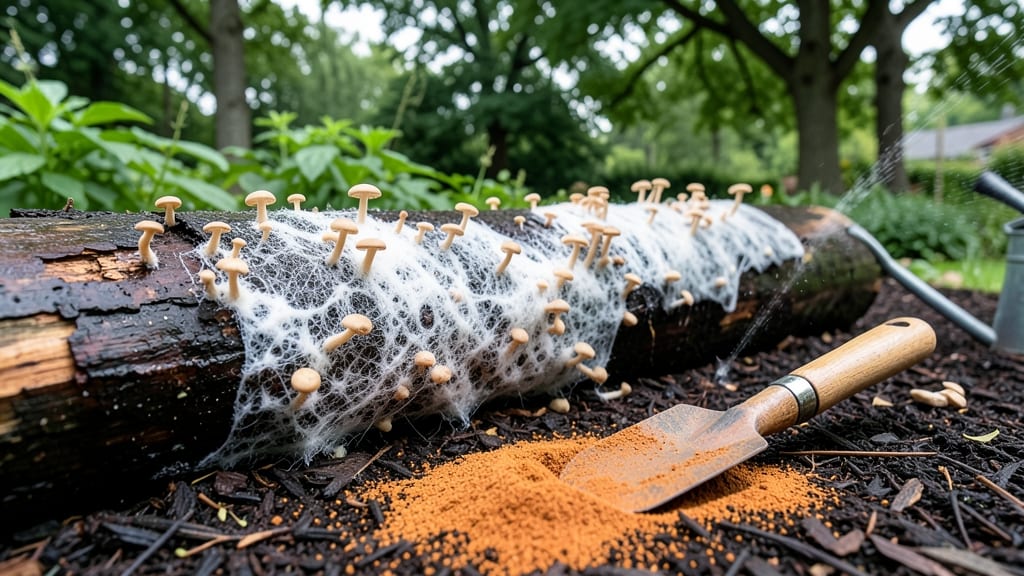
You can sprinkle cinnamon in your garden safely for some plants, as it helps deter pests and prevents fungal growth—but use it sparingly to avoid disrupting soil pH and harming beneficial microbes. Focus on roses, tomatoes, and citrus trees.
Cinnamon's natural compound, cinnamaldehyde, acts as a mild antifungal agent and insect repellent, making it an organic gardener's ally. 🌿 For best results, mix 1 teaspoon of cinnamon powder per gallon of water and apply as a foliar spray or light soil dusting.
This approach targets powdery mildew and root rot while keeping pests like slugs and ants at bay, but avoid overapplying near acid-loving plants like blueberries or azaleas.
I recommend testing cinnamon on a small area first—some plants may react poorly to its drying properties. The key is moderation: a light sprinkle every few weeks during growing season keeps beneficial soil organisms thriving while still providing protection.
💡 In This Article
- How Cinnamon Acts as a Natural Fungicide and Pest Repellent
- Best Plants to Sprinkle Cinnamon Around (And Which to Avoid)
How cinnamon acts as a natural fungicide and pest repellent
Cinnamon's power comes from cinnamaldehyde, a natural compound that disrupts fungal cell membranes and inhibits spore germination. This compound works similarly to commercial fungicides but with a gentler touch—think of it as nature's version of a mild bleach for plant pathogens.
When sprinkled around plants, cinnamon creates an inhospitable environment for powdery mildew, one of the most common fungal diseases in gardens, by lowering the surface pH and dehydrating fungal spores.
The effectiveness isn't just theoretical: studies show cinnamon can reduce fungal growth by up to 75% when applied as a 1:10 ratio (1 part cinnamon to 10 parts water) spray. For example, roses—particularly susceptible to black spot and powdery mildew—benefit from a light cinnamon dusting around the base and foliage.
The aromatic compound also confuses insect pheromones, making it harder for pests like ants and slugs to locate food sources. 🌱 However, the scent dissipates quickly, so reapplication every 2-3 weeks during active growing seasons is ideal.
What makes cinnamon particularly useful is its dual action: it works both as a preventative and curative. A light application before rain can create a protective barrier against fungal spores in the air, while a post-infection treatment helps slow the spread.
The key is timing—apply in the early morning when humidity is highest, allowing the cinnamaldehyde to form a temporary protective film on leaves. This timing maximizes contact with fungal spores before they can take hold.
But here's the catch: cinnamon's antimicrobial properties come with trade-offs. Overuse can alter soil pH, making it more acidic and potentially harming beneficial microbes like mycorrhizal fungi that help plants absorb nutrients. A ½ teaspoon per square foot is generally safe, but monitor soil health regularly.
Too much can also create a crust on soil surfaces, preventing proper water absorption—especially in sandy soils where particles don't bind well.
For best results, combine cinnamon with other organic treatments. A mix of 1 teaspoon cinnamon + 1 tablespoon neem oil + 1 gallon water creates a potent antifungal spray that's tougher on persistent fungal infections.
The neem oil adds an extra layer of protection against mites and aphids, while the cinnamon handles the fungal component. This synergy makes the treatment more effective than either ingredient alone, demonstrating how natural garden remedies can work together.
Remember, cinnamon isn't a cure-all. While it's excellent for fungal issues and light pest control, it won't replace comprehensive pest management for severe infestations.
Think of it as a supportive treatment—like adding a natural probiotic to your garden's immune system rather than a heavy-duty antibiotic. 🌿 The secret lies in strategic, moderate use rather than blanket applications across your entire garden.