I remember the first tomato I grew from seed—it was tiny, red, and tasted like sunshine on a summer afternoon. That moment hooked me for life. Now, I spend my days digging into soil, chasing the perfect bloom, and sharing the little joys of gardening that make it all worthwhile. This site is where I pass along the lessons I’ve learned, the plants that thrive in my zone, and the quiet magic of watching something grow from nothing.
💥 Quick Answer Botanical gardens reciprocity programs let you visit multiple gardens nationwide for free or discounted rates using a single membership. Many partner networks include top institutions like New York…
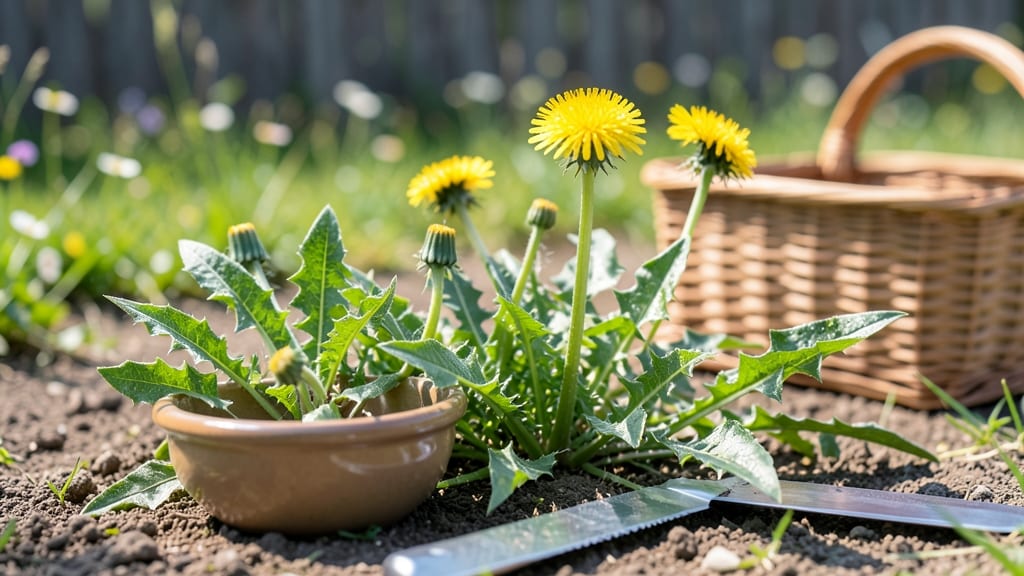
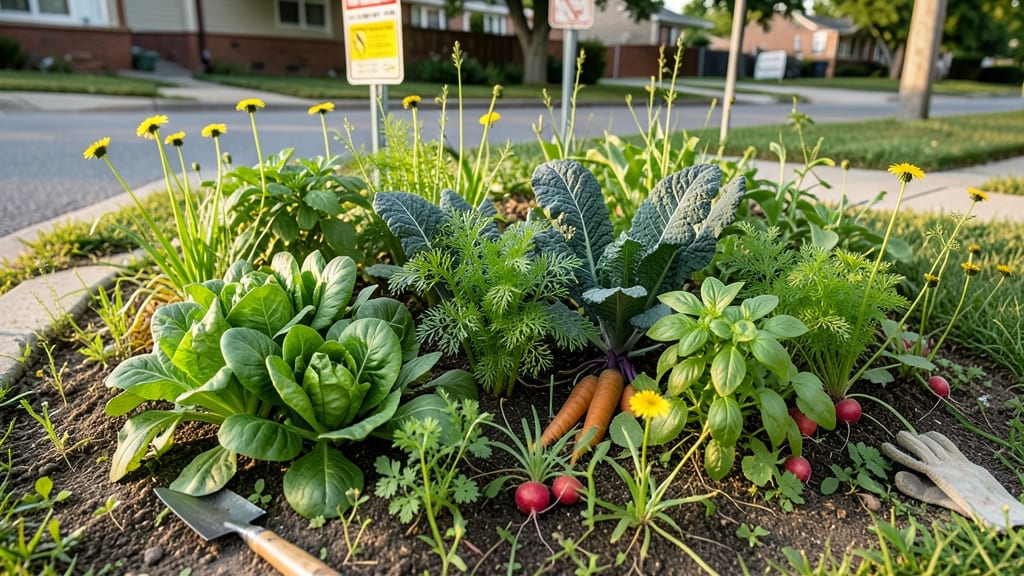
💥 Quick Answer Eating weeds from the garden is safe only if you first confirm they're edible varieties like dandelion greens, chickweed, or purslane, then clean them thoroughly to remove dirt, pesticides, and potential…
💥 Quick Answer Front yard vegetable gardens are often illegal because most residential zoning laws classify agricultural use as commercial or industrial activity, while HOAs frequently ban visible vegetable plants to…
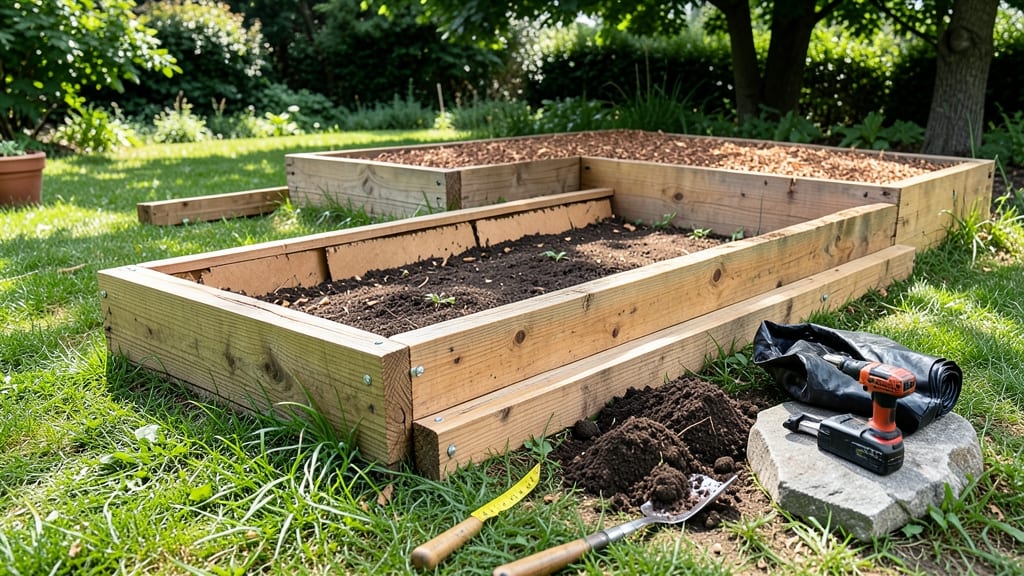
💥 Quick Answer To make a cheap raised garden, use repurposed materials like untreated wood pallets, cinder blocks, or recycled plastic lumber for borders, then line with cardboard or landscape fabric before filling with…
💥 Quick Answer The best place to plant a garden offers 6-8 hours of sunlight daily , well-draining soil rich in organic matter, and adequate spacing for airflow. Avoid low-lying areas prone to flooding or waterlogging…
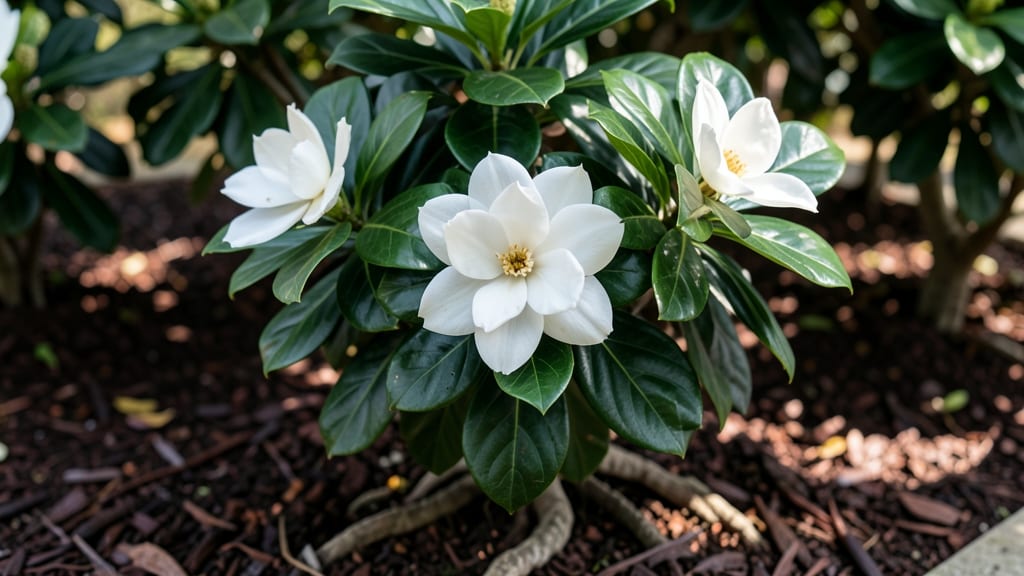
💥 Quick Answer Gardenia care in Zone 7 requires partial shade, well-draining soil, and consistent moisture, but needs winter frost protection when temperatures drop below 25°F. Plant in spring, mulch heavily, and wrap…
💥 Quick Answer Zone 5 gardening thrives with cold-hardy perennials like coneflowers, hostas, and Russian sage, while exact planting timelines depend on last frost dates—typically late April to early May for cool-season…
💥 Quick Answer A garden weasel is used primarily for natural pest control by targeting rodents, voles, and insects like grubs, while also aerating soil through burrowing—reducing the need for chemical interventions in…
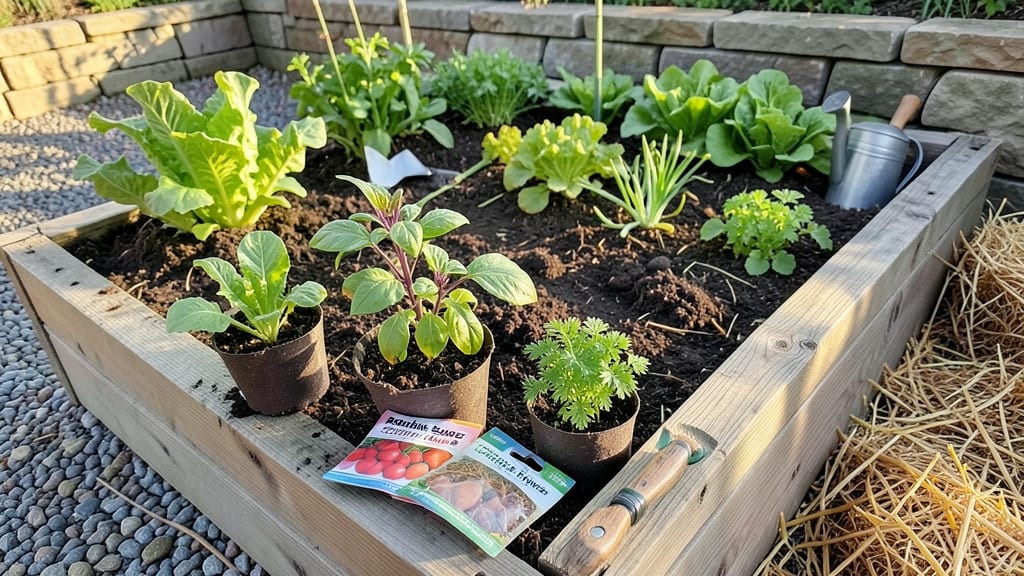
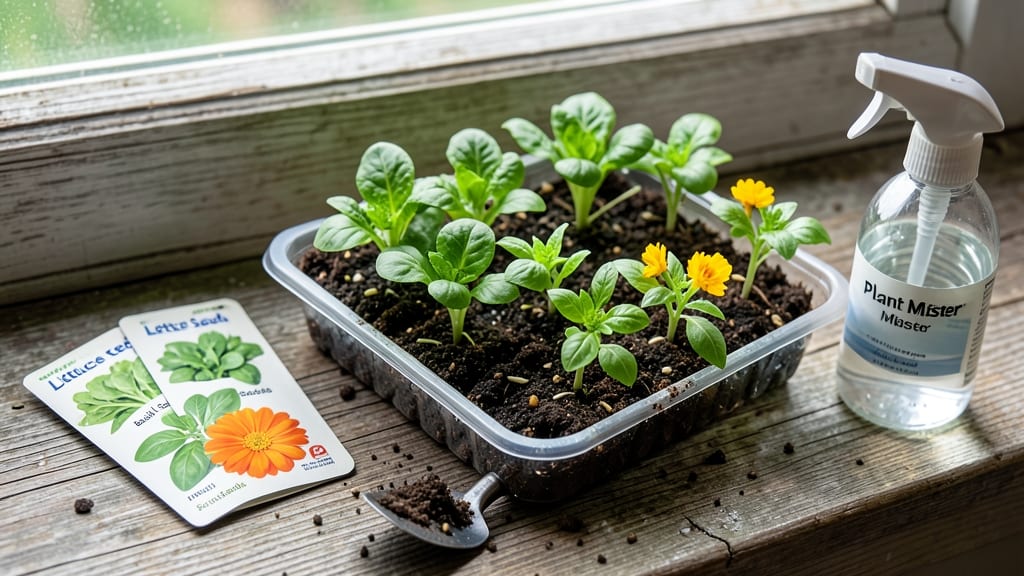
💥 Quick Answer In gardening, sowing means planting seeds directly into the soil or containers to grow new plants, whether by hand or with mechanical tools like seeders. It’s the first step in cultivating vegetables…