
Planting
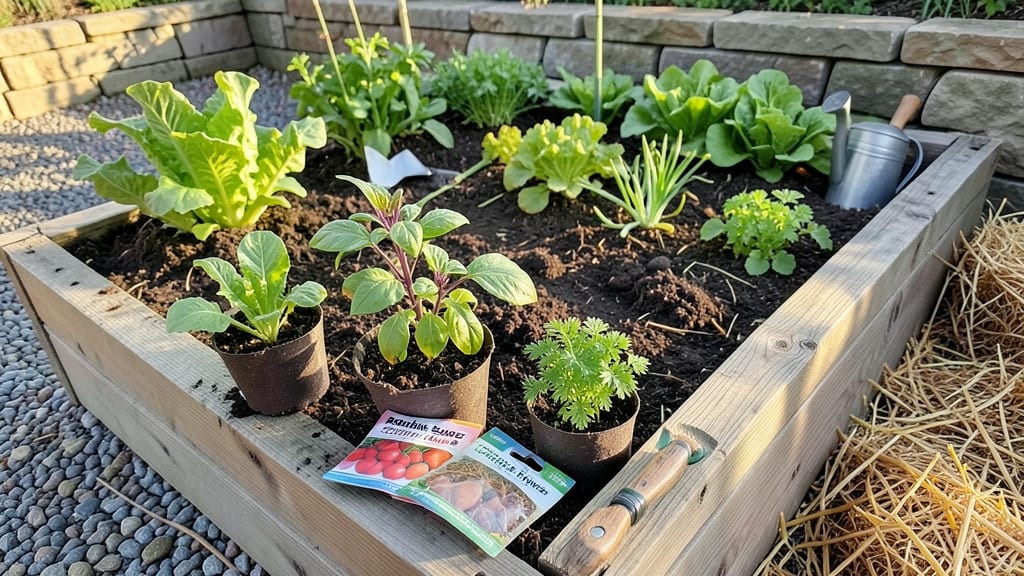
The best place to plant a garden offers 6-8 hours of sunlight daily, well-draining soil rich in organic matter, and adequate spacing for airflow. Avoid low-lying areas prone to flooding or waterlogging for optimal plant health and growth.
The ideal garden spot balances three key factors: sunlight, soil quality, and airflow. 🌱 Most vegetables and flowers thrive with full sun exposure, while herbs like basil or parsley can adapt to partial shade.
I always test soil drainage by digging a hole, filling it with water, and checking how quickly it drains—slow drainage leads to root rot. Raised beds solve this problem beautifully while also improving accessibility for maintenance.
Location matters just as much as the conditions. A spot near your kitchen makes harvesting fresh herbs effortless, while a south-facing area maximizes sunlight in northern climates.
I’ve found that even small spaces—like balcony containers—can produce bountiful harvests when positioned correctly. The key is matching plant needs to your site’s natural advantages.
💡 In This Article
- Sunlight and Soil Requirements for a Thriving Garden
- Choosing the Perfect Garden Spot: Space and Accessibility Tips
Sunlight and soil requirements for a thriving garden
Sunlight drives photosynthesis, the process where plants convert light energy into chemical energy to fuel growth. Most vegetables, like tomatoes and peppers, need 6-8 hours of direct sunlight daily to produce abundant fruit. Without enough light, plants become leggy and weak, and flowers fail to bloom.
For example, a tomato plant in 4 hours of sun might yield only a few small fruits, while one with 8 hours can produce 20-30 pounds per season. 🌞 The angle of sunlight matters too—south-facing gardens in the Northern Hemisphere receive the most consistent light exposure.
Soil quality is equally critical, with drainage being the most overlooked factor. Poor drainage causes roots to suffocate, leading to fungal diseases like root rot. To test drainage, dig a hole 12 inches deep, fill it with water, and time how long it takes to drain.
If it takes longer than 2 hours, amend the soil with compost or consider raised beds. Ideal soil should also have a pH between 6.0 and 7.0—most garden plants thrive in this slightly acidic to neutral range.
You can test pH with a simple soil kit or send a sample to a local extension office for analysis.
Organic matter, like compost or aged manure, improves soil structure by adding air pockets that roots need to breathe. A healthy soil profile contains 5% organic matter or more, which also helps retain moisture and nutrients.
For instance, adding 2-3 inches of compost to garden beds before planting can increase water retention by 20-30% while providing essential nutrients like nitrogen, phosphorus, and potassium. This is why I always start with a soil test—it reveals exactly what amendments are needed before planting.
Not all plants have the same sunlight needs. While tomatoes and peppers demand full sun, leafy greens like spinach and lettuce can thrive in 4-6 hours of sun, making them perfect for partial-shade gardens. Herbs like cilantro and parsley also tolerate shade better than most vegetables.
Understanding these differences lets you design a garden that maximizes every inch of space. For example, a north-facing bed might be ideal for lettuce but terrible for zucchini—knowing these preferences prevents disappointment.
Wind exposure affects both soil and plant health. Strong winds dry out soil quickly and can damage delicate stems, especially in young plants. If your garden is exposed, consider adding windbreaks like tall shrubs or a fence on the windward side.
This simple adjustment can improve moisture retention by 30-40% in dry climates. I’ve seen gardens double their yield just by adding a windbreak—it’s one of the most underrated gardening hacks. 🌬️
Finally, remember that soil isn’t static—it changes over time. Regularly adding compost and rotating crops keeps nutrients balanced and prevents disease buildup. For instance, planting tomatoes in the same spot year after year depletes soil nutrients and increases the risk of blight.
Rotating with legumes like beans, which fix nitrogen in the soil, can restore fertility naturally. This cycle of testing, amending, and rotating is what keeps gardens productive for decades.