
Tools
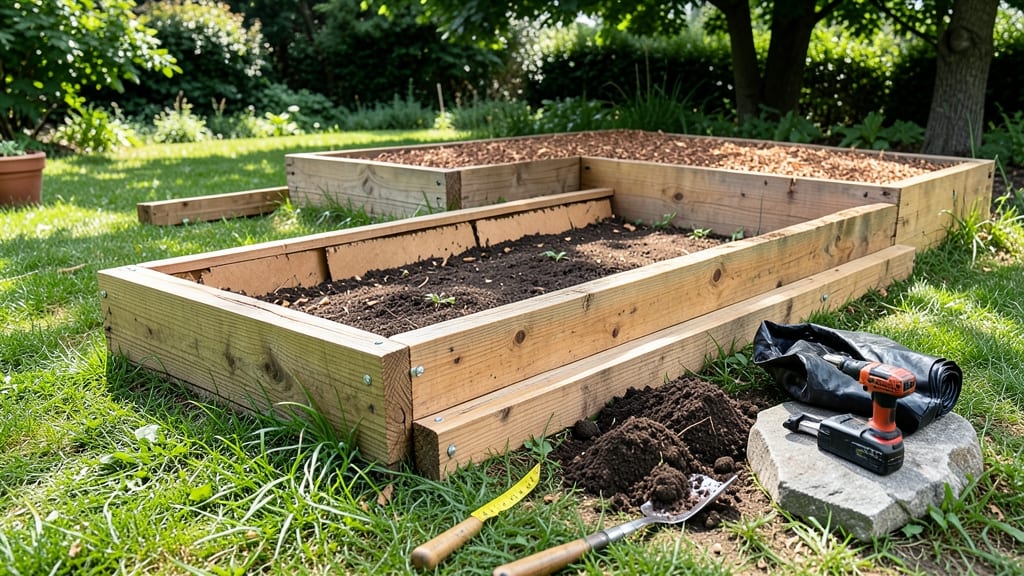
To make a cheap raised garden, use repurposed materials like untreated wood pallets, cinder blocks, or recycled plastic lumber for borders, then line with cardboard or landscape fabric before filling with soil. Avoid treated wood or toxic materials for plant safety.
Creating a budget-friendly raised garden starts with smart material choices—think outside the box with options like cinder blocks or even old bricks. 🌱 The key is balancing cost with durability; for example, untreated wood pallets are often free or cheap, but they may not last as long as concrete blocks.
I’ve seen gardeners use metal troughs or repurposed plastic containers too, which can be surprisingly sturdy. Just remember to check for chemical treatments in any reused wood to keep your plants healthy.
Once you’ve picked your materials, focus on proper soil prep. A mix of compost, peat moss, and existing garden soil creates the perfect growing environment. This layering approach not only saves money but also improves drainage and nutrient retention—critical for thriving plants.
The best part? You can often source these materials locally for minimal cost.
💡 In This Article
- Best Upcycled Materials for Affordable Raised Beds
- Step-by-Step Guide to Building a Budget-Friendly Raised Garden
Best upcycled materials for affordable raised beds
Untreated wood pallets are one of the most accessible and budget-friendly options, often free from local businesses. These pallets typically measure 48 inches by 40 inches and stand about 6-8 inches tall, creating a perfect-sized bed for small vegetables or herbs.
The key is to inspect them closely for signs of chemical treatment—look for stamps like "HT" (heat-treated) or "MB" (methyl bromide), which indicate potential toxicity. Untreated pallets, marked "HT" without chemicals, are safe for gardening and can last 2-3 years before needing replacement.
Cinder blocks offer exceptional durability and are incredibly versatile. A standard block measures 16 inches by 8 inches by 8 inches, and stacking them creates a sturdy, long-lasting border.
Their porous nature actually improves drainage, which is ideal for root vegetables like carrots or radishes. 🌟 However, they can be heavy—each block weighs about 38-40 pounds—so you'll need help assembling them.
For extra stability, fill the hollow centers with gravel or broken bricks before stacking, which adds weight and prevents shifting over time.
Recycled plastic lumber is another excellent choice, especially in areas with high moisture or termite activity. This material resists rot, insects, and weathering, making it last 10+ years with minimal maintenance.
A typical plastic lumber piece measures 8 feet long by 6 inches wide, and you can cut it to size with a handsaw. The downside? It can be more expensive upfront, though local recycling centers often sell it at a discount.
For drainage, consider drilling 1/4-inch holes along the bottom edges to prevent waterlogging.
Old bricks or concrete pavers create a rustic, attractive border that's surprisingly affordable. A single brick costs just $0.50-$1.50 at salvage yards, and their solid structure prevents soil erosion. For a 4-foot by 8-foot bed, you'd need about 60 bricks, totaling under $60.
To secure them, lay a 2-inch layer of sand at the base before stacking, then use landscape fabric between the bricks and soil to block weeds. The rough texture also helps roots anchor better, reducing the risk of collapse.
Metal troughs, like those from old gutters or livestock feeders, provide a unique, industrial look while offering excellent drainage. A standard 10-foot gutter costs around $15-$25 at hardware stores and can be bent into a U-shape for a raised bed.
For extra stability, line the bottom with 1/2-inch hardware cloth to prevent burrowing pests, then fill with a mix of 60% topsoil, 30% compost, and 10% perlite. These beds dry out faster than wood, so they're ideal for drought-tolerant plants like lavender or rosemary.
For a completely free option, consider repurposed tires stacked vertically. A standard 18-inch tire creates a 2-foot diameter bed, perfect for small plants or container gardening. The rubber naturally resists rot and pests, and the curved shape helps retain moisture.
To use them, stack 2-3 tires high, then line the bottom with cardboard or burlap to block weeds. The only drawback? Tires can absorb heat, so they're best for heat-loving plants like tomatoes or peppers.