
Tools
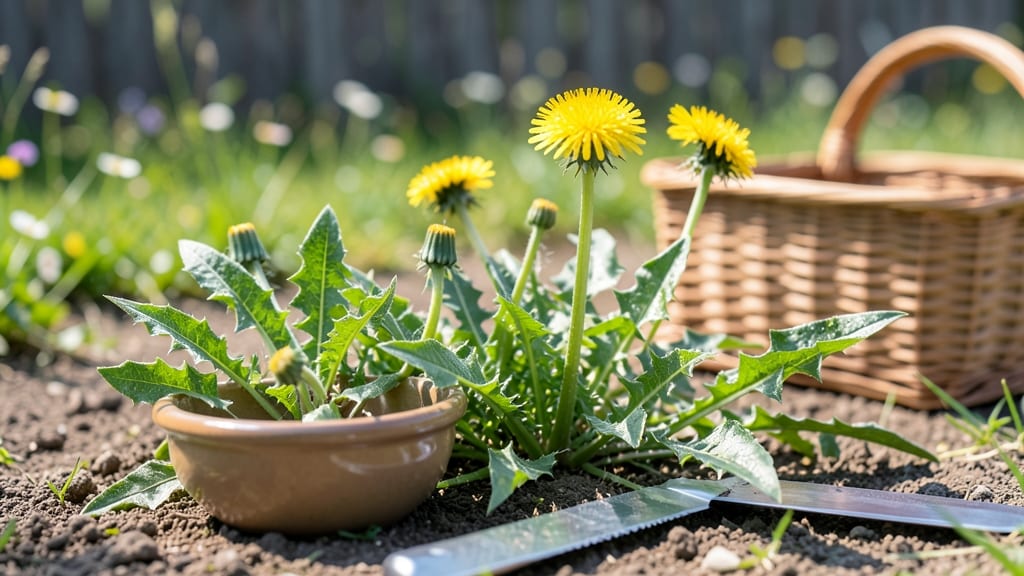
Eating weeds from the garden is safe only if you first confirm they're edible varieties like dandelion greens, chickweed, or purslane, then clean them thoroughly to remove dirt, pesticides, and potential toxins. Always cross-reference with a trusted field guide or local expert before eating any wild greens.
Many common garden "weeds" are actually nutrient-rich edible greens packed with vitamins A, C, and K—like stinging nettle (cooked) or lamb's quarters (raw or sautéed). 🌱 The key is knowing which plants are safe in your region, as some edible varieties can have toxic lookalikes.
For example, wild garlic and wild onion are delicious, but their poisonous mimics like wild leeks can cause severe illness. I recommend harvesting young leaves when flavors are most tender and avoiding plants growing near roadsides or treated lawns.
Once identified, preparation matters just as much as identification. Soak greens in a vinegar-water solution (1:3 ratio) for 10 minutes to kill bacteria, then rinse thoroughly under cold water. For cooking, try light sautéing with olive oil and garlic to preserve nutrients, or blend into soups and pestos.
Store properly washed greens in sealed containers in the fridge for up to 5 days—though I prefer using them fresh within 24 hours for peak flavor.
💡 In This Article
- Identifying Edible Garden Weeds vs Poisonous Lookalikes
- Harvesting and Preparing Edible Weeds Safely
Identifying edible garden weeds vs poisonous lookalikes
Edible garden weeds like dandelion and purslane have distinct botanical features that set them apart from toxic lookalikes.
For instance, dandelion leaves grow in a rosette pattern with deeply serrated edges, while poison hemlock—its deadly mimic—has smooth, triangular stems and a hollow core when cut. 🌿 The key is examining the leaf arrangement: edible weeds typically feature alternate leaf patterns, whereas poisonous varieties often display opposite or whorled growth.
Always check the stem's texture too—edible plants usually have soft, hairless stems, while toxic ones may feel rough or fuzzy.
Leaf shape and vein structure provide critical clues. Lamb's quarters, for example, has broad, triangular leaves with a slightly waxy coating that repels water, while its toxic double is poison ivy, which has three glossy leaflets and a distinctive "middle leaflet on a longer stem."
Regional variations matter too: what's edible in one climate zone may be toxic in another due to different soil compositions and pest pressures.
For example, wild carrot (Queen Anne's lace) is safe when young, but its cousin, poison hemlock, grows taller, lacks the carrot's distinctive purple-tinged stems, and emits a foul odor when crushed.
Growth patterns offer another layer of identification. Edible weeds like chickweed grow low to the ground in dense mats, while toxic plants often stand upright with rigid stems.
The root structure differs too—edible weeds typically have fibrous roots, whereas poisonous varieties may develop deep, taproots. 🔍 I recommend using a magnifying glass to inspect leaf undersides for hairs or glands, as many toxic plants develop these features to deter herbivores.
Always harvest from pesticide-free areas and avoid plants near roadways, where exhaust fumes can concentrate in leaves.
Color changes can signal toxicity. Healthy edible weeds maintain consistent green hues, while stressed or poisonous plants may develop yellowing (chlorosis) or purple tinges. The time of year affects edibility too—young, tender leaves are safest, as older plants may accumulate higher concentrations of oxalates or other compounds.
For example, wild mustard is edible when young but can become bitter and less digestible as it matures.
When in doubt, perform the "scratch test": rub a leaf between your fingers—edible plants typically feel soft and slightly gritty from silica, while toxic ones may release milky sap or have a sticky residue.
Local ecology plays a crucial role in identification. In coastal regions, salt-tolerant weeds like sea blite thrive, while inland areas may feature drought-resistant varieties like purslane. Always consult regional field guides or connect with local foraging groups, as edibility can vary by 100-300 miles due to climate differences.
For instance, what's safe in California's Mediterranean climate may be toxic in the humid Southeast. I keep a small notebook when foraging, recording plant locations, growth stages, and any unusual symptoms after consumption—this helps build a personal reference library over time.
Technology can assist with identification too. Apps like iNaturalist or PictureThis use AI to analyze plant features, though I still verify with physical guides for critical species. Always photograph both the plant and its surroundings, noting soil type, sunlight exposure, and neighboring flora.
The "bud rule" applies here: never eat a plant unless you've positively identified it in all growth stages, from seedling to mature plant. This rule saved me from mistaking wild parsnip (edible when cooked) for poison hemlock during a spring harvest.
When collecting, use stainless steel knives or clean scissors to avoid contaminating the plant with rust or bacteria.
Harvest leaves from the outer edges first to encourage regrowth, and always leave some plants behind to maintain ecological balance. 🌱 Remember that even edible weeds can cause digestive upset if consumed in excess—start with small portions (about 1-2 cups per meal) and monitor your body's response for 24 hours.
This cautious approach has helped me safely enjoy over 30+ wild edible species from my garden over the years.