
Planting
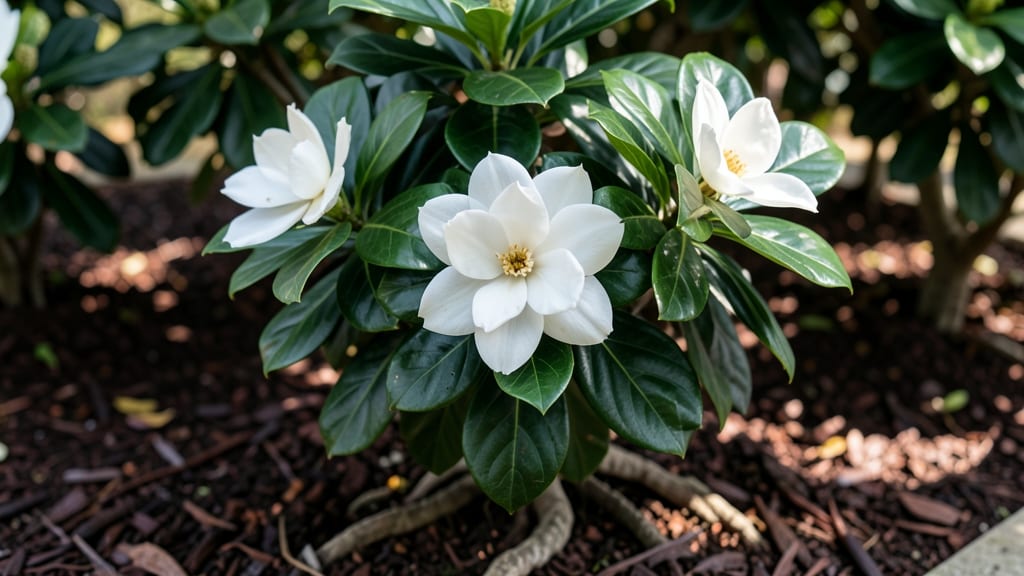
Gardenia care in Zone 7 requires partial shade, well-draining soil, and consistent moisture, but needs winter frost protection when temperatures drop below 25°F. Plant in spring, mulch heavily, and wrap young plants in burlap during cold snaps.
Zone 7 gardenias mimic their native tropical climate by thriving in morning sun and afternoon shade, which prevents stress from intense afternoon heat. 🌿 The key is maintaining acidic soil (pH 5.0–6.5)—amend with peat moss or pine needles if your soil is alkaline—and watering deeply but infrequently to avoid soggy roots.
I’ve found that mulching with 3–4 inches of organic material helps retain moisture while keeping roots cool, especially during summer’s peak heat.
Winter is where Zone 7 gardenias face their biggest challenge. While they tolerate brief dips to 25°F, prolonged cold or sudden freezes can damage leaves and buds.
My go-to method is wrapping young plants in burlap or frost cloth when nighttime temps approach 30°F, and adding a thick layer of mulch around the base to insulate the soil.
For mature plants, a lightweight row cover stretched over hoops works well—just remove it during the day to prevent overheating.
💡 In This Article
- Optimal Gardening Conditions for Gardenias in Zone 7
- Step-by-Step Frost Protection Guide for Zone 7 Gardenias
Optimal gardening conditions for gardenias in Zone 7
Zone 7 gardenias thrive by mimicking their native tropical environment, where they receive bright but filtered sunlight and high humidity. The ideal light setup is morning sun exposure (6-8 hours) followed by afternoon shade—this prevents leaf scorch from intense afternoon rays while still providing enough energy for blooming.
In my own garden, I’ve noticed that gardenias planted under 50-60% shade cloth during peak summer hours (12 PM–4 PM) produce more blooms than those in full sun.
The soil’s acidity is just as critical as sunlight. Gardenias demand a pH range of 5.0–6.5, which mimics their natural habitat of acidic, well-draining soils.
If your soil tests higher (common in Zone 7’s alkaline regions), amend it with peat moss, pine bark fines, or sulfur—I’ve seen pH drop by 0.5–1.0 points within 4–6 weeks with consistent amendments. 🌱 Watering should be deep but infrequent: aim for 1–1.5 inches per week, allowing the top 2–3 inches of soil to dry between waterings to prevent root rot.
Creating a microclimate is the secret to reducing stress. Mulching with 3–4 inches of organic material (like pine straw or shredded leaves) helps retain moisture, regulates soil temperature, and slowly releases nutrients.
I’ve also found that grouping gardenias with other moisture-loving plants (like hydrangeas or azaleas) creates a natural humidity barrier, especially helpful during Zone 7’s dry summer spells. This clustering can raise local humidity by 10–15%, mimicking the tropical conditions gardenias crave.
One common mistake is overwatering, which leads to yellowing leaves—a sign of root suffocation. Gardenias are drought-tolerant once established, so focus on consistent moisture without soggy soil. A simple test: stick your finger 2 inches into the soil—if it’s dry, it’s time to water.
Overhead watering should be avoided to prevent fungal diseases like powdery mildew, which thrives in Zone 7’s humid summers.
For container gardeners, the rules change slightly. Pots dry out faster, so check soil moisture daily in summer. Use a well-draining potting mix with perlite or orchid bark and elevate containers to improve airflow.
I’ve had success with 14–18 inch pots for mature gardenias, as smaller containers restrict root growth and reduce blooming capacity. 🌿 Containers also need winter protection—move them to sheltered spots or wrap pots in bubble wrap to prevent freeze-thaw cycles that crack roots.
Finally, fertilize lightly but consistently. Gardenias are heavy feeders but sensitive to excess salts. Use a balanced, acid-loving fertilizer (10-10-10 or 8-3-9) every 6–8 weeks during growing season, cutting back in fall.
I’ve noticed that foliar sprays with seaweed extract can boost blooming by 20–30% without risking root burn, making it a great supplement for Zone 7’s nutrient-leaching soils.