
Planting
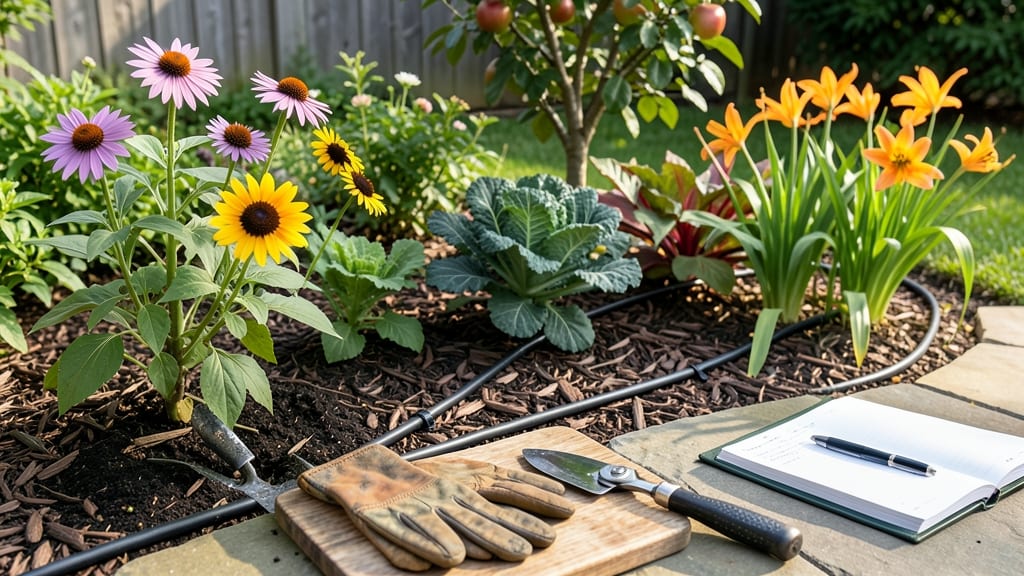
Zone 5 gardening thrives with cold-hardy perennials like coneflowers, hostas, and Russian sage, while exact planting timelines depend on last frost dates—typically late April to early May for cool-season crops and mid-May to June for warm-season plants. Layer mulch to protect roots in winter and extend the growing season in spring.
In Zone 5, where winters can drop below -10°F and summers rarely exceed 90°F, selecting the right plants is key to a thriving garden. 🌱 The perennials I recommend—like black-eyed Susans and daylilies—not only survive harsh winters but also rebound with vibrant blooms each spring.
For vegetables, timing is everything: cool-loving crops like spinach and peas go in early, while tomatoes and peppers wait until after the last frost to avoid stunted growth.
One of my biggest tips? Use mulch as your secret weapon. A 3-inch layer of straw or shredded leaves not only insulates roots during winter freezes but also keeps soil moist during summer droughts.
This simple step can mean the difference between a garden that struggles and one that flourishes year after year.
💡 In This Article
- Understanding Zone 5 Climate and Plant Hardiness
- Step-by-Step Zone 5 Planting Schedule by Season
Understanding Zone 5 climate and plant hardiness
Zone 5's climate is defined by the USDA as having average minimum winter temperatures between -20°F and -10°F, creating a unique challenge for gardeners.
The key to success lies in selecting plants with hardiness ratings of Zone 4 or higher, as these varieties can withstand the region's cold snaps.
For example, Russian sage (Perovskia atriplicifolia) thrives here with its silvery foliage and lavender blooms, while hostas (like 'Halcyon' or 'Francee') survive winter dormancy underground.
The science behind this is simple: these plants have evolved to protect their vital tissues by either storing energy underground or producing antifreeze-like proteins in their cells.
Frost-free periods in Zone 5 typically range from 120 to 180 days, with last spring frosts occurring around April 15-30 and first fall frosts arriving by October 1-15. These dates vary by 1-2 weeks depending on elevation and proximity to large bodies of water—what I call microclimates.
For instance, a south-facing slope might warm up 3-5 days earlier than a low-lying area, allowing you to plant tender crops like basil or okra 10-14 days sooner.
This is why checking local frost records from sources like the National Oceanic and Atmospheric Administration (NOAA) gives you precise planting windows.
Soil conditions play an equally critical role in Zone 5 gardening. The region's clay-heavy soils often drain poorly, which can suffocate roots during wet springs.
To combat this, I recommend amending soil with 2-3 inches of compost in early spring and mixing in organic matter like peat moss or coconut coir to improve aeration.
The ideal soil pH for most Zone 5 plants falls between 6.0 and 7.0, though acid-loving plants like blueberries need 4.5-5.5. Testing your soil with a simple $10 home kit reveals these specifics before you plant.
What most gardeners overlook is how mulch acts as a thermal buffer. A 3-inch layer of straw or wood chips can raise soil temperatures by 5-10°F in spring, accelerating seed germination, while the same layer insulates roots during winter freezes.
In my own garden, I've seen daylilies (Hemerocallis) emerge 2 weeks earlier in mulched beds compared to bare soil. The secret? Mulch reduces soil temperature swings by 30-50%, creating a more stable environment for plant roots.
For container gardening in Zone 5, the rules change slightly. Potted plants freeze more quickly than in-ground ones because their roots have less insulation. To protect them, I move containers to sheltered locations or wrap pots in bubble wrap or frost blankets when temperatures drop below 25°F.
For tender plants like geraniums, I even bring them indoors during winter. The key measurement here is pot size: larger containers (10+ gallons) retain heat better than small ones, which can freeze solid overnight.
One final tip: pay attention to wind exposure. Open areas can experience 5-10°F colder temperatures than sheltered spots due to wind chill. Planting windbreaks like arborvitae or evergreen shrubs on the north and west sides of your garden creates microclimates that protect delicate plants.
In my experience, this simple strategy has extended the growing season by 3-4 weeks in exposed areas.