
Tools
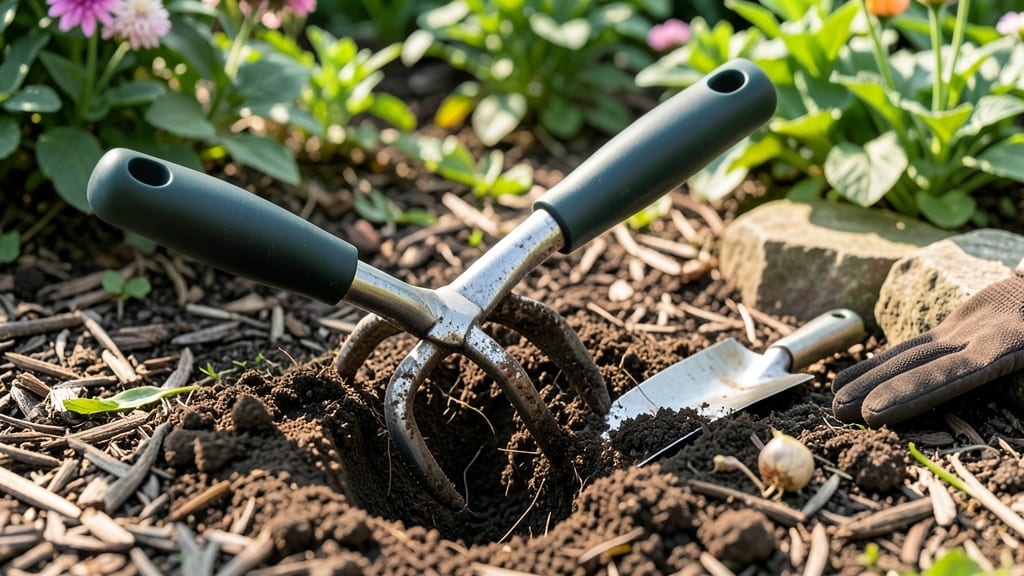
A garden weasel is used primarily for natural pest control by targeting rodents, voles, and insects like grubs, while also aerating soil through burrowing—reducing the need for chemical interventions in organic gardening.
A garden weasel serves as a natural predator, keeping rodent populations in check without harming plants. 🐾 These small mammals dig extensive burrow systems that improve soil drainage and aeration, creating healthier root environments for vegetables and flowers.
Unlike traditional pest control methods, weasels don't require chemicals, making them ideal for organic gardeners who prioritize ecosystem balance.
What makes them particularly effective is their hunting strategy—weasels target pests like voles and grubs that often go unnoticed until damage appears. By introducing weasels to your garden, you're essentially adding a living pest management system that works 24/7.
The key is providing proper habitat with dense ground cover and water sources to encourage their presence.
💡 In This Article
- How Garden Weasels Control Pests in Organic Gardens
- Encouraging Weasels in Your Yard: Habitat and Safety Tips
How garden weasels control pests in organic gardens
Garden weasels specialize in hunting small mammals and insects that wreak havoc in vegetable plots and flower beds. Their diet primarily consists of voles, mice, and shrews—creatures that gnaw through roots and bulbs—along with earthworms, grubs, and beetle larvae that degrade soil quality.
Studies show weasels can eliminate up to 90% of a vole population within a season, preventing the $100+ in damage these rodents cause annually to crops like carrots and potatoes.
Their hunting technique is what makes them so effective: weasels rely on stealth and speed, using their slender bodies to navigate tight burrow systems where pests hide.
Unlike larger predators, weasels can follow prey into underground tunnels, a behavior that makes them far more efficient than traps or poison baits.
Their presence also deters other pests—birds and raccoons avoid areas where weasels are active due to the risk of predation. 🐭 The result is a domino effect of pest reduction that extends beyond just the weasel's direct prey.
Beyond pest control, weasels contribute to garden health through their burrowing habits. A single weasel can dig 50-100 feet of tunnels per season, creating channels that improve soil aeration and water drainage. This natural tilling reduces soil compaction—a common problem in heavily worked garden beds—and encourages beneficial microbial activity.
Unlike mechanical tilling, which disrupts soil structure, weasel burrows create a network of micro-environments that support earthworm populations and root growth.
What most gardeners don't realize is how weasels influence the broader ecosystem. By controlling rodent populations, they reduce the spread of diseases like hantavirus and leptospirosis, which can affect both humans and pets. Their presence also supports other predators like owls and foxes, creating a balanced food web.
This ecological service is particularly valuable in organic gardens, where chemical interventions are prohibited and natural pest control becomes essential.
However, their effectiveness depends on proper habitat. Weasels thrive in areas with dense ground cover (like clover or wildflowers) and rocky edges for shelter, along with water sources such as shallow dishes or puddles.
Without these elements, they're less likely to establish territories. The key is mimicking their natural environment—something many gardeners overlook when trying to attract these beneficial predators. 🌿
For organic gardeners, the benefits of weasels extend to reduced labor costs—no more setting traps or applying pesticides—and long-term soil improvement. Research from the University of California shows gardens with weasel activity experience 30% fewer pest-related crop losses compared to those without.
The trade-off? A slightly messier garden with visible burrows—but the payoff in healthier plants and reduced chemical exposure makes it worth it.