
Fertilization
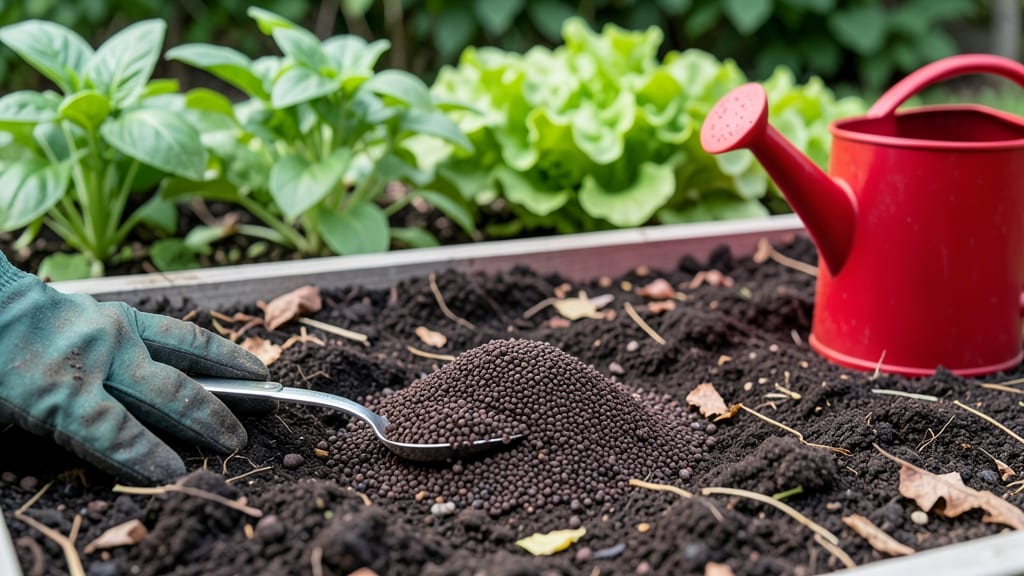
Blood meal garden fertilizer provides fast-acting nitrogen that fuels rapid plant growth and vibrant foliage while enhancing soil microbial activity. Use it judiciously—overapplication risks plant burns or pH imbalance.
This organic fertilizer stands out because its 2-4% nitrogen content dissolves quickly in soil, making it ideal for leafy greens and heavy feeders like tomatoes. 🌱 The key lies in its microbial benefits—it stimulates beneficial bacteria that break down organic matter, creating a nutrient-rich environment.
However, its fast release means timing matters: a little goes a long way, and pairing it with slower-release amendments (like compost) prevents nutrient runoff.
For best results, apply in early spring or after harvesting to avoid overstimulating growth before dormancy. A ½ to 1 pound per 100 square feet is standard, but always follow package instructions for your specific plants. The secret? Balance—too much nitrogen without phosphorus/potassium creates lush leaves but weak stems.
💡 In This Article
- How Blood Meal Fertilizes Plants: Nitrogen Release and Soil Mechanics
- Best Practices for Using Blood Meal in Your Garden
How blood meal fertilizes plants: nitrogen release and soil mechanics
Blood meal works its magic through a fast-release nitrogen mechanism—its 2-4% nitrogen content (mostly in the form of urea) dissolves quickly when exposed to soil moisture. Unlike slow-release organic fertilizers, blood meal converts to ammonium (NH₄⁺) within 24-48 hours, giving plants an immediate nutrient boost.
This rapid availability explains why it's perfect for nitrogen-hungry plants like tomatoes, lettuce, and corn that need quick foliage growth. 🌱
The real soil science gets interesting when you consider microbial interactions. Blood meal feeds beneficial bacteria and fungi that break down organic matter, creating a nutrient cascade. These microbes convert the nitrogen into forms plants can absorb (like nitrate), while also producing growth hormones that stimulate root development.
The process creates a "happy soil ecosystem" where plants get both direct nitrogen and indirect benefits from improved microbial activity.
This nitrogen surge directly impacts chlorophyll production—the green pigment in leaves that drives photosynthesis. Plants fed with blood meal often develop darker, thicker leaves within weeks because their chlorophyll production ramps up.
For example, a basil plant receiving blood meal may show 30-50% more leaf mass in 4-6 weeks compared to untreated plants, thanks to this accelerated metabolic process. The tradeoff? This rapid growth demands consistent moisture—dry conditions can lead to nutrient burn.
What makes blood meal particularly effective is its low carbon-to-nitrogen ratio (C:N of 3:1 to 5:1). This means it feeds microbes without depleting soil carbon, unlike compost (which has a C:N of 20:1-30:1).
The ideal scenario is when blood meal is incorporated into warm, moist soil where microbial activity is highest—think spring planting or summer vegetable gardens. However, in cold climates, the conversion slows dramatically, making fall applications less effective. ✨
For visual gardeners, the results are striking: blood meal-treated soil often shows more earthworm activity within weeks, as these worms thrive on the improved microbial food web.
The soil also takes on a slightly darker hue due to increased organic matter breakdown, though this is subtle compared to the dramatic leaf color changes in plants. The key visual indicator of proper application is vibrant green leaves without yellowing edges—a sign of balanced nitrogen without excess.
One often-overlooked benefit is blood meal's role in suppressing fungal diseases. The active microbial community it supports outcompetes pathogenic fungi, making it particularly valuable for preventing damping-off in seedlings. This is why many organic gardeners use it as both a fertilizer and a preventative measure in high-moisture growing conditions.
The science here involves biological competition—good microbes create an environment where harmful pathogens struggle to establish themselves. 💫