
Planting
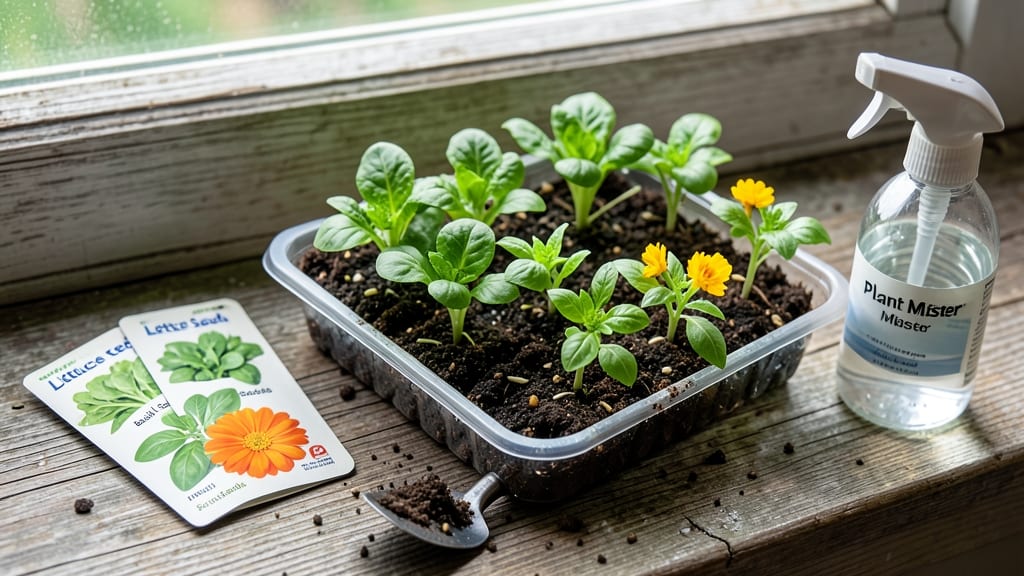
In gardening, sowing means planting seeds directly into the soil or containers to grow new plants, whether by hand or with mechanical tools like seeders. It’s the first step in cultivating vegetables, flowers, and herbs from seed.
When you sow seeds, you're essentially giving life to your garden by placing them in ideal conditions for germination.
This process varies by plant type—some seeds, like lettuce, thrive when planted shallowly in cool soil, while others, like beans, need deeper placement and warmer temperatures. 🌱 The key is understanding your climate and the specific needs of each seed variety.
For instance, fast-germinating seeds like radishes can be sown directly into the ground, while slower starters may benefit from starting indoors before transplanting. Proper spacing and soil preparation also play critical roles in ensuring healthy seedling growth.
Many gardeners use specialized tools like seed trays or precision seeders to maintain consistent depth and spacing, which reduces competition among seedlings. Whether you're growing vegetables for harvest or flowers for beauty, mastering the art of sowing sets the foundation for a thriving garden.
The timing of sowing often depends on frost dates and seasonal shifts—cool-season crops like spinach should go in early spring, while heat-loving tomatoes prefer warmer soil conditions.
💡 In This Article
- How to Sow Seeds Properly for Healthy Growth
- Best Times and Methods for Sowing Different Plants
How to sow seeds properly for healthy growth
Sowing seeds properly begins with understanding the three golden rules of seed placement: depth, spacing, and soil moisture. Each seed has an ideal depth—typically 2-3 times its width—because light triggers germination for many species.
For example, tiny lettuce seeds should only sit ¼-inch deep in loose, well-drained soil, while larger beans need 1-2 inches of coverage to protect their energy reserves. Planting too shallow risks desiccation, while burying too deep can starve seedlings of light. 🌱
The spacing between seeds determines how much each plant can spread its roots and access nutrients. Crowded seedlings compete aggressively for water and sunlight, leading to leggy, weak growth. A general guideline is 1-3 inches apart for small seeds like carrots and 12-24 inches for sprawling plants like pumpkins.
Precision matters—using a ruler or spacing grids ensures even distribution. For large gardens, mechanical seeders with adjustable spacing settings can save time while maintaining consistency.
Soil preparation transforms ordinary dirt into a seedling's first home. Loose, crumbly soil with 30-50% organic matter (like compost or aged manure) allows roots to penetrate easily. Before sowing, work in a light layer of vermiculite or perlite to improve aeration, especially in heavy clay soils.
Moisture control is equally critical—seeds need consistent dampness (not sogginess) to germinate. A fine misting system or soaker hose can maintain 60-70% soil moisture without disturbing the seed bed.
Direct sowing vs. transplanting depends on the plant's hardiness. Delicate seedlings like tomatoes or peppers often start indoors 6-8 weeks before last frost to avoid transplant shock. In contrast, hardy annuals like marigolds or fast germinators like radishes can be sown directly into the garden.
The key difference lies in root disturbance—transplanted seedlings may struggle to recover if their roots are damaged during transfer. For direct sowing, create small furrows with a trowel and gently press seeds into the soil, then cover lightly with a fine sift of compost.
Timing your sowing aligns with the plant's life cycle. Cool-season crops (e.g., spinach, peas) thrive when soil temperatures stay below 75°F, while warm-season plants (e.g., cucumbers, basil) need soil above 60°F to germinate. A soil thermometer helps gauge readiness—seeds won't sprout until conditions meet their specific thresholds.
For example, melon seeds may take 7-14 days to germinate in warm soil but remain dormant indefinitely in cold conditions. 🌿
After sowing, maintain a consistent environment to encourage germination. Cover the seed bed with a lightweight row cover or plastic sheet to retain warmth and humidity, especially in dry climates. Remove the cover once seedlings emerge to prevent overheating.
Monitor for pests like cutworms or birds that may disturb newly planted seeds—using fine mesh or netting can protect vulnerable seedlings during their first critical weeks.