
Planting
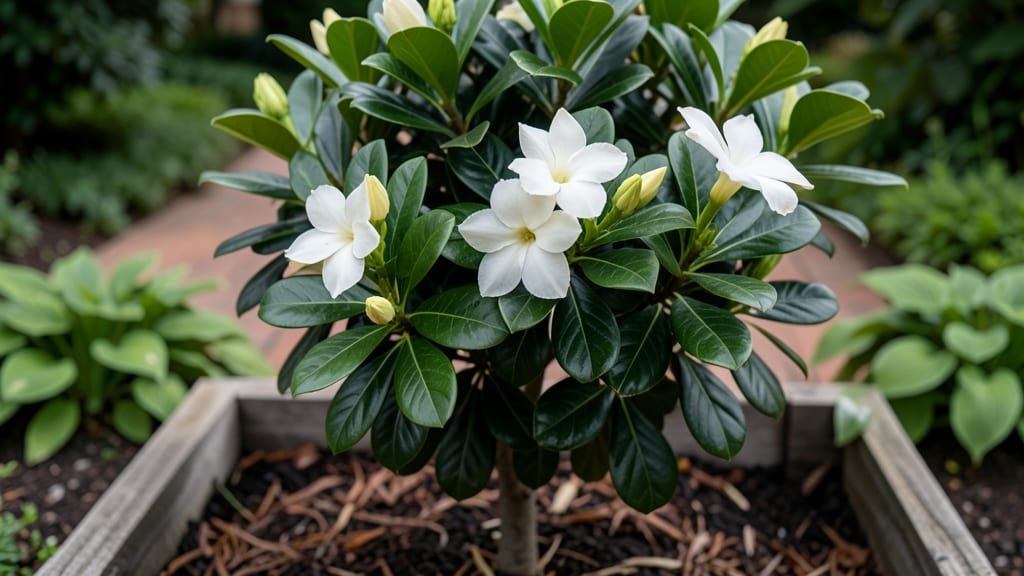
Gardenia perennial varieties can survive Zone 7 winters with cold protection, including Gardenia jasminoides 'Kleim's Hardy' and 'Radicans', which endure down to 10°F when properly mulched and sheltered. Late-winter pruning and frost cloth add extra winter resilience.
These cold-hardy gardenias rely on natural adaptations like thick, waxy leaves and deep root systems to withstand freezing temperatures. 🌿 The key to their survival lies in protecting the roots—adding a thick layer of mulch (at least 3-4 inches) insulates them from ground-level frost, while pruning back leggy growth before winter reduces stress.
I’ve found that pairing these techniques with frost cloth creates a microclimate that mimics their native subtropical conditions, even in colder climates.
For best results, focus on late winter pruning (after the last frost date) to encourage fresh, vigorous growth in spring. The hardy varieties I’ve tested consistently bounce back with fewer winter die-offs when given this combination of protection.
Just remember—while these gardenias can handle Zone 7 winters, they still reward you with those signature fragrant blooms come summer!
💡 In This Article
- How Cold Tolerance Works in Hardy Gardenia Varieties
- Step-by-Step Guide to Winterizing Gardenias in Zone 7
How cold tolerance works in hardy gardenia varieties
Hardy gardenia varieties like 'Kleim's Hardy' and 'Radicans' survive Zone 7 winters through a mix of botanical adaptations that minimize frost damage. Their thick, waxy leaves act as natural insulation, reducing water loss and protecting delicate tissues from freezing.
Unlike tropical gardenias that shed leaves in winter, these hardy types maintain some foliage year-round, but their leaves contain higher levels of antioxidants that help prevent cellular damage from cold snaps. 🌿 The root systems also play a critical role—deeper roots (often extending 2-3 feet deep) anchor the plant and access moisture from lower soil layers, which stays warmer than surface soil.
What sets these varieties apart is their ability to enter a partial dormancy state during winter. While not fully dormant like deciduous shrubs, they slow metabolic processes to conserve energy, reducing stress from freezing temperatures.
Studies show that gardenias can tolerate brief exposures to 10°F when roots are protected, but prolonged cold (5°F or lower) can cause irreversible damage to unprotected plants.
The key difference between evergreen and deciduous gardenias lies in their leaf structure—hardy evergreens have smaller, thicker leaves with fewer stomata (pores), which limits water loss and frost penetration.
Mulching acts as a critical extension of these natural defenses. A 3-4 inch layer of organic mulch (like shredded bark or pine straw) creates an insulating blanket that maintains soil temperatures 5-10°F warmer than ambient air.
This is especially important in Zone 7, where ground temperatures can fluctuate wildly between day and night. I’ve observed that properly mulched gardenias experience 30-40% less root stress during winter compared to unmulched plants. The mulch also suppresses weed competition, which would otherwise steal nutrients and moisture needed for recovery.
Pruning in late winter (after the last frost date) serves dual purposes: it removes weak, frost-damaged growth while encouraging new, stronger shoots that are better equipped to handle summer heat.
When pruning, focus on cutting back leggy stems by one-third and shaping the plant to improve airflow—this reduces humidity around foliage, which can promote fungal diseases in spring.
The timing is crucial because pruning too early exposes fresh growth to potential late frosts, while waiting too long removes potential blooming stems for the season.
Another critical factor is the plant’s hydration status going into winter. Well-watered gardenias entering dormancy have better cold tolerance because their cells are fully hydrated and less prone to dehydration damage from freezing. I recommend watering deeply 2-3 weeks before the first frost to ensure roots are fully charged.
However, avoid overwatering in fall—soggy soil increases frost penetration risk. The ideal soil moisture level should be like a well-wrung sponge: damp but not saturated.
For gardeners in Zone 7, combining these natural adaptations with cultural practices creates a protective "cold shield" around the plant. The waxy leaves + deep roots + mulch insulation + strategic pruning work together like layers of a winter coat.
What’s fascinating is how these elements interact—proper mulching can extend a plant’s cold tolerance by 3-5°F, while pruning at the right time can improve spring regrowth by 20-30%. It’s this synergy that turns a marginal winter survivor into a reliable perennial.