
Advice
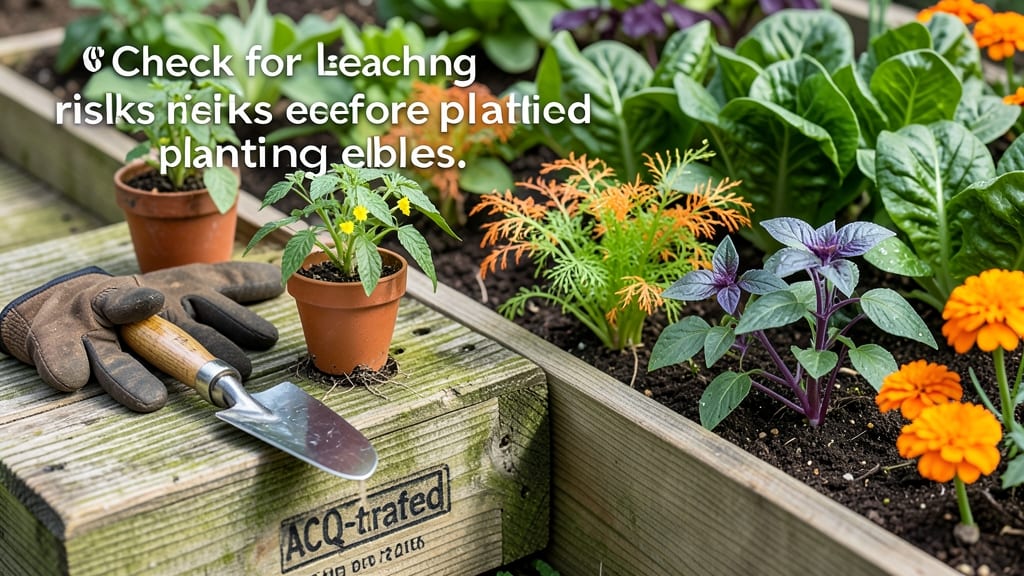
Treated lumber is generally not safe for gardens because preservatives like chromated copper arsenate (CCA) or alkaline copper quaternary (ACQ) can leach into soil over time, poisoning plants, pets, and even children. Always choose untreated wood or pressure-treated lumber labeled 'ground-contact' with plant-safe chemicals instead.
Most treated lumber contains toxic chemicals designed to resist rot and insects, but these same compounds can seep into garden soil. 🌱 The biggest offenders—arsenic-based preservatives like CCA—are now banned in residential use, yet older lumber or improperly labeled materials may still pose risks.
Even newer copper-based treatments (ACQ) can harm root systems and contaminate edible crops over time. For raised beds or planters, opt for naturally rot-resistant woods like cedar or redwood, or look for lumber certified 'ground-contact' with copper azole-free formulations.
If you're working with existing treated wood, seal it with food-grade mineral oil or beeswax to create a barrier between the chemicals and soil. 🔧 For projects requiring durability, consider composite decking made from recycled plastics—it mimics wood's appearance without the chemical leaching.
The key is always checking labels: "ground-contact" lumber is safer than "above-ground" treated wood, but untreated options remain the gold standard for vegetable gardens.
💡 In This Article
- Chemicals in Treated Lumber and Their Risks to Plants
- Safe Alternatives for Garden Wood Projects
Chemicals in treated lumber and their risks to plants
Most treated lumber contains chemical preservatives that prevent rot and insect damage, but these same compounds can seep into garden soil over time. The most dangerous treatment, chromated copper arsenate (CCA), contains arsenic—a known carcinogen that can accumulate in plants, especially leafy greens like lettuce or spinach.
Even newer copper-based treatments like alkaline copper quaternary (ACQ) or micronized copper quaternary (MCQ) release copper ions that alter soil pH and disrupt nutrient uptake in roots.
Leaching occurs through moisture and temperature changes. For example, a 2x4 treated with ACQ can release 0.05-0.1 mg of copper per square foot annually in well-drained soil, while CCA-treated wood may release 0.01-0.05 mg of arsenic per square foot.
These levels may seem small, but over 5-10 years, they can reach toxic concentrations. Edible crops like tomatoes or peppers absorb these metals more readily than ornamental plants, posing direct health risks if consumed.
The effects on plants are visible within 6-12 months of exposure. You might notice stunted growth, yellowing leaves (chlorosis), or brown spots on foliage—similar to nutrient deficiencies but caused by chemical interference.
Copper overload, for instance, can mimic iron deficiency, leaving plants unable to produce chlorophyll properly. 🌱 In severe cases, root systems may die back entirely, making the plant vulnerable to disease.
Not all plants react the same way. Root vegetables like carrots or potatoes absorb fewer toxins than leafy greens, but they can still accumulate dangerous levels in their edible portions. Even non-edible plants may suffer from reduced flowering or fruiting.
The EPA classifies arsenic and copper as \"restricted use\" pesticides when used in garden settings, meaning they require special handling to prevent environmental contamination.
Soil type affects leaching rates significantly. Sandy soils release chemicals faster due to poor retention, while clay soils trap them longer. A pH test can reveal elevated metal levels—values above 20 ppm copper or 10 ppm arsenic in garden soil are considered hazardous.
Testing kits from university extension services provide precise measurements for at-risk areas.
Even if the lumber is labeled \"ground-contact safe,\" some treatments use copper-based compounds that still pose risks over time. For example, copper azole (CA-B) is less toxic than CCA but can still alter soil microbiology, reducing beneficial bacteria that aid plant growth.
The safest approach is to avoid treated wood entirely in edible gardens or use it only in above-ground structures like trellises.