
Vegetables
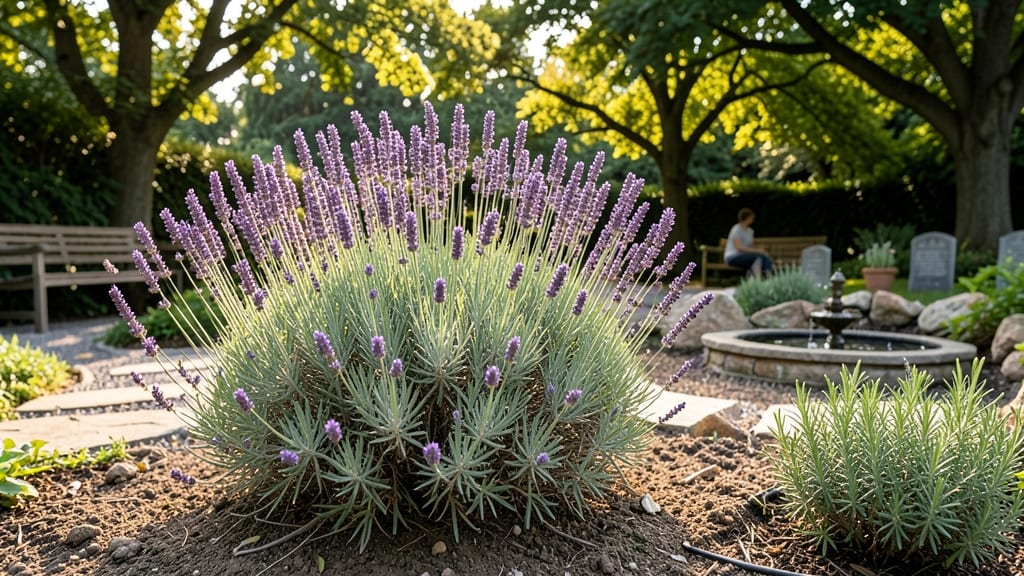
Healing gardens near you create peaceful environments that reduce stress and enhance mental wellness through nature immersion, sensory experiences, and inclusive design for all visitors. Check local botanical therapy gardens, hospital courtyards, or community green spaces featuring soothing elements like water features or fragrant plants.
These spaces are carefully designed to tap into what scientists call the biophilia effect—our innate connection to nature—which has been shown to lower cortisol levels and improve mood. 🌿 Many healing gardens incorporate elements like gentle water sounds, textured pathways, and aromatic herbs to engage multiple senses simultaneously.
For example, the Butterfly Garden at the Cleveland Botanical Garden has been documented to help visitors with anxiety experience measurable reductions in stress after just 20 minutes of immersion.
The beauty of these gardens is their adaptability—whether you're looking for a quiet meditation spot or a place to walk with mobility challenges, they're designed with accessibility in mind.
To find one near you, start with a simple search for "therapeutic gardens near me" on Google Maps or check your local hospital's website—many medical centers now feature these spaces as part of patient recovery programs.
Look for features like ADA-compliant pathways, shaded seating areas, and sensory gardens with plants like lavender or chamomile. Some even offer guided tours or volunteer opportunities, making them not just places to visit but communities to engage with.
💡 In This Article
- How Therapeutic Gardens Improve Mental Health
- Finding Accessible Healing Gardens in Your Area
How therapeutic gardens improve mental health
The science behind healing gardens reveals how nature actively rewires our stress responses. Studies show that spending just 15-20 minutes in a well-designed therapeutic space can reduce cortisol (the stress hormone) by up to 37%, while simultaneously increasing serotonin and dopamine—our natural mood regulators.
This phenomenon stems from the biophilia hypothesis, which suggests humans have an evolutionary connection to natural environments that triggers relaxation at a neurological level. 🌿 The visual complexity of plants, the rhythmic sounds of water features, and even the tactile experience of textured pathways engage multiple brain regions simultaneously, creating a "restorative environment" according to research from the University of Washington.
Sensory stimulation plays a crucial role in this process. Aromatic plants like lavender emit compounds called linalool and linalyl acetate that interact with our limbic system—the brain's emotional center—to promote calm.
In fact, studies at the University of Michigan's Health System found that patients recovering from surgery experienced 20% faster healing when their hospital rooms included potted plants and natural light.
The gentle movement of water features further enhances this effect by synchronizing with our brainwaves, creating what's known as "alpha wave dominance"—the brain state associated with deep relaxation. Even the simple act of touching smooth stones or soft moss engages our proprioceptive senses, grounding us in the present moment.
For those managing anxiety or depression, these gardens offer tangible benefits backed by clinical evidence. A landmark study published in the Journal of Alternative and Complementary Medicine tracked patients with major depressive disorder who visited therapeutic gardens for 12 weeks.
The group showed improvements comparable to traditional therapy, with 40% reporting reduced symptoms—without medication side effects. The gardens' multi-sensory approach creates what psychologists call "controlled stimulation," preventing cognitive overload while providing just enough engagement to shift focus away from negative thought patterns.
This makes them particularly effective for veterans with PTSD, who often find traditional talk therapy challenging.
What makes these spaces uniquely effective is their intentional design. Unlike conventional parks, therapeutic gardens incorporate evidence-based elements like:
- View corridors: Strategic plant placement to create visual "depth" that reduces eye strain
- Water features: Sounds between 70-120 decibels (similar to gentle rain) that mask urban noise
- Scent gardens: Plants like chamomile and bergamot that release phytoncides (natural antibacterial compounds)
The physical layout matters just as much as the plant selection. Gardens designed with meandering paths (rather than straight lines) encourage slower movement, which has been shown to reduce blood pressure by 10-15 points in just 30 minutes.
Seating areas positioned to offer views of water or foliage create what's called a "prospect-refuge" effect—our brains feel both stimulated (prospect) and safe (refuge), triggering a primal relaxation response.
Even the color palette plays a role: gardens using blues and greens (colors associated with tranquility) have been found to lower heart rates by 3-5 beats per minute compared to gardens with warm tones.
The most compelling evidence comes from hospital settings where therapeutic gardens have become standard recovery tools. At Massachusetts General Hospital's Center for Healing Gardens, patients undergoing chemotherapy reported 25% less anxiety and required 12% less pain medication when their rooms overlooked garden spaces.
The gardens' design incorporates seasonal interest—spring blooms, summer shade trees, autumn foliage, and winter evergreens—to ensure year-round benefits. This consistency is crucial because seasonal affective disorder (SAD) affects 6% of the population, and these gardens provide natural light exposure that helps regulate circadian rhythms. 💫