
Lawn
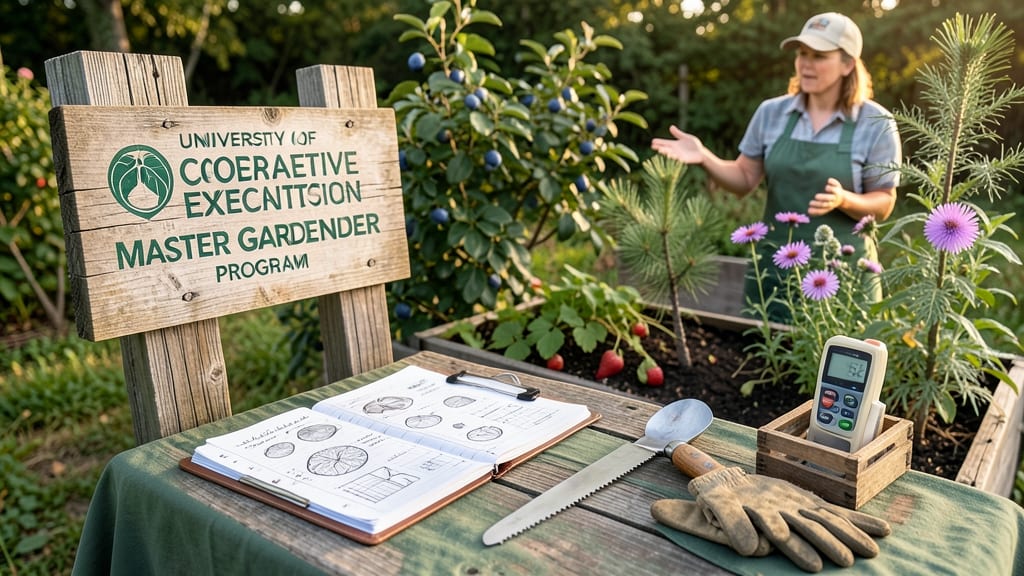
The Master Gardener Program in Maine trains volunteers to become skilled horticulture educators, requiring 40 hours of classroom instruction, a hands-on project, and a 45-hour volunteer commitment. Applicants must pass an interview and demonstrate gardening experience.
The Master Gardener Program in Maine transforms passionate gardeners into community educators, focusing on practical skills like plant diagnostics and Maine-specific challenges. 🌱 For example, the curriculum dives into managing acidic soils and adapting to short growing seasons—critical for Maine's unique climate.
Beyond the classroom, participants complete a volunteer project, often partnering with local farms or schools to share their expertise.
This program isn't just about learning; it's about giving back. Many graduates become go-to resources for their communities, helping homeowners troubleshoot garden problems or teaching youth gardening programs. The interview process ensures candidates are ready for the commitment, often highlighting real-world experience over formal credentials.
💡 In This Article
- Maine Master Gardener Training Curriculum Breakdown
- How to Apply for Maine’s Master Gardener Program
Maine Master Gardener training curriculum breakdown
The Maine Master Gardener Program's 40-hour classroom curriculum is designed to equip volunteers with both foundational horticulture knowledge and region-specific expertise.
The course typically covers six core modules: plant science (including botany and physiology), soil management (with deep dives into Maine's naturally acidic soils), pest identification and organic control methods, sustainable gardening practices, and plant diagnostics.
What sets Maine's program apart is its emphasis on adapting these principles to local conditions—like navigating short growing seasons (just 120-150 frost-free days) and managing acidic soils (pH often between 4.5-5.5), which require special amendments like lime or compost.
One standout feature is the hands-on plant clinic component, where trainees practice diagnosing common Maine garden problems under expert supervision. You'll work with real samples—think black spot on roses, powdery mildew on squash, or soil compaction issues—using microscopes and field guides tailored to New England's flora.
The curriculum also dedicates time to seasonal timing, teaching when to plant specific crops (like cool-season vegetables in early spring or hardy perennials in fall) to maximize Maine's brief growing windows. 🌿 For example, the program teaches that broccoli planted in late July often produces better yields than spring plantings due to Maine's summer heat tolerance.
What most people don't realize is how the curriculum integrates Maine's unique environmental challenges into every lesson.
Take soil science: While national programs might focus on general soil types, Maine's version dives into peat-based soils (common in northern regions) and how they differ from the loamy soils found in southern Maine.
The pest management section goes beyond basic ID to teach biological controls like ladybugs for aphids—critical when chemical options are limited by Maine's organic farming regulations. This practical focus ensures graduates can immediately apply what they learn to help Maine gardeners solve real problems.
The program also includes a sustainable landscaping module that's particularly relevant for Maine's climate. You'll learn about windbreaks for coastal gardens, mulching techniques for rocky soil, and how to select native plants that thrive without irrigation.
For instance, the curriculum highlights Maine's state wildflower (the purple aster) as an excellent pollinator plant that handles our humid summers and frosty springs. This emphasis on resilience helps volunteers recommend solutions that work within Maine's unpredictable weather patterns—like sudden late-season freezes.
One often-overlooked aspect is the community impact component woven throughout the training. The curriculum includes sessions on extension education methods (like creating fact sheets for home gardeners) and youth gardening programs, which are especially popular in Maine schools.
You'll practice delivering presentations using Maine-specific examples, such as how to grow blueberries in acidic soil or manage deer browsing in rural gardens. This prepares volunteers to hit the ground running when they start their required 45-hour volunteer project—often working with local farms, 4-H clubs, or community gardens.
The training concludes with a final exam that tests both technical knowledge and practical application, including identifying plant diseases from photos and designing a seasonal planting calendar for a Maine garden.
What makes this exam unique is its focus on real-world scenarios—like diagnosing a struggling tomato plant with multiple symptoms or recommending appropriate soil amendments. Passing this exam demonstrates you're ready to help Maine gardeners tackle their most challenging problems with confidence. 🌱