
Vegetables
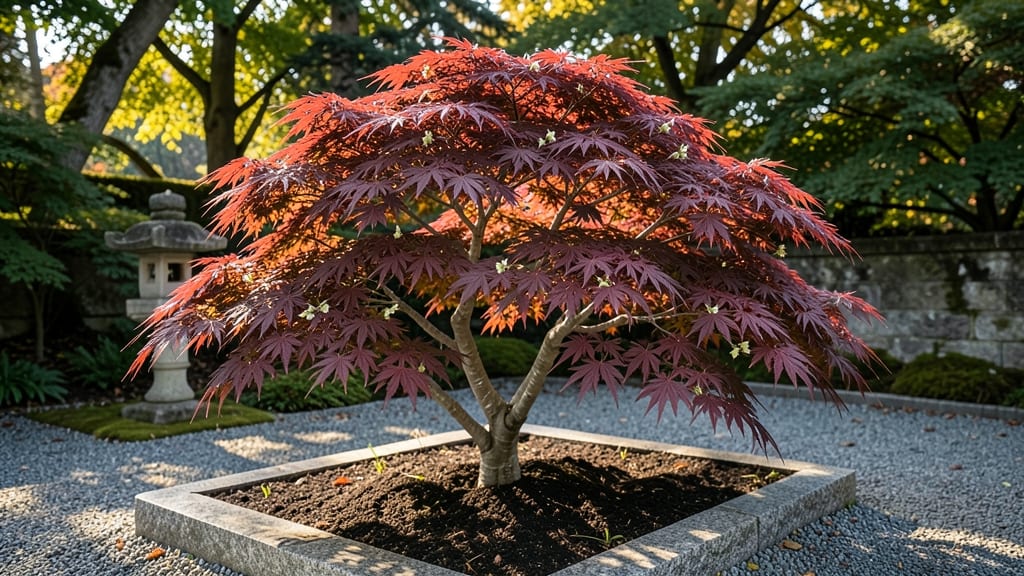
Filoli Gardens in San Francisco features hidden garden treasures such as the Japanese Tea Garden, Rhododendron Dell, and Cottage Garden, which can only be discovered through alternative pathways or seasonal access points. These lesser-known areas reveal stunning plant collections and tranquil settings that most guests overlook.
Filoli's secret gardens are more than just beautiful—they're carefully curated botanical showcases blending native California plants with rare international varieties. 🌸 The Japanese Tea Garden, for example, features 100-year-old camellias and azaleas that bloom spectacularly in spring, while the Rhododendron Dell transforms into a vibrant pink canopy during its peak season.
These spaces weren't just decorative; they were designed by the De Young family to demonstrate sustainable gardening practices for their era, many of which remain relevant today.
What makes these hidden areas special is their accessibility—unlike the main gardens, these spots often require advance planning or special events like the Gardens After Dark series. I always recommend visiting during weekday mornings when crowds are thinner, or checking Filoli's calendar for seasonal access opportunities.
The Cottage Garden, for instance, sometimes opens for private tours where you can learn about heirloom roses and edible perennials that were staples in the early 1900s.
💡 In This Article
- Filoli’s Rare Plant Collections: What Makes These Gardens Unique
- How to Access Filoli’s Hidden Gardens: Tips for Exploring Off the Beaten Path
Filoli’s rare plant collections: what makes these gardens unique
Filoli’s hidden gardens stand out because they combine native California resilience with imported botanical rarities, all thriving under the estate’s microclimates. The Japanese Tea Garden, for example, features 100-year-old camellias (like Camellia japonica ‘Yuletide’) that bloom from November through March, their waxy petals resistant to San Francisco’s coastal fog.
These plants were carefully selected by the De Young family for their ability to withstand 50-60°F nighttime temperatures while still producing vibrant flowers—something many tropical species can’t achieve.
What’s truly remarkable is how these gardens demonstrate historical plant curation with modern conservation goals. The Rhododendron Dell, planted in the 1930s, contains over 300 rhododendrons, including rare hybrids like Rhododendron ‘Cunningham’s White’ that only bloom for 7-10 days annually in late spring.
The estate’s climate—cool summers (75°F average) and mild winters (45°F average)—creates ideal conditions for these acid-loving plants, which would struggle in hotter inland climates. 🌿 This careful balance of native and exotic species makes Filoli a living botanical archive.
The Cottage Garden takes this concept further by blending edible perennials with ornamental plants, reflecting early 20th-century gardening practices. You’ll find heirloom roses like ‘Blush Noisette’ (a 1818 introduction from France) growing alongside culinary herbs and fruit trees—all chosen for their dual beauty and utility.
The De Youngs believed gardens should be both decorative and functional, a philosophy that’s increasingly relevant today as urban gardening grows. This approach also supports pollinators: the garden’s 20+ varieties of lavender attract bees year-round, even in winter.
Seasonal transformations add another layer of uniqueness. During spring blooms, the Japanese Tea Garden’s azaleas create a 10-foot-tall pink canopy, while summer brings fragrant night-blooming jasmine (Jasminum sambac) that fills the air with its sweet, tuberose-like scent after sunset.
The estate’s conservation efforts include propagation programs—like growing rare ferns in controlled environments—to preserve threatened species. This blend of historical preservation and modern science makes Filoli’s collections far more than just pretty backdrops.
What most visitors don’t realize is how these gardens adapt to San Francisco’s unique conditions. The estate’s 10-acre property includes slopes with 30° angles that create microclimates—warmer, drier areas perfect for Mediterranean plants like olive trees, while shaded valleys support ferns and mosses that thrive in 80% humidity.
The Japanese Tea Garden’s pond system, designed with 1.2-meter-deep basins, maintains consistent moisture levels for water-loving plants like hostas and irises, demonstrating traditional Japanese garden techniques adapted to California’s climate.
For plant enthusiasts, the real magic happens during special access events. The Gardens After Dark series, for example, transforms the Cottage Garden into an illuminated wonderland with 1,200 LED lights highlighting rare night-blooming flowers like evening primrose (Oenothera biennis).
These events reveal how the estate’s design—with strategically placed benches and stone paths—creates intimate viewing experiences that standard tours simply can’t match. 💫