
Vegetables
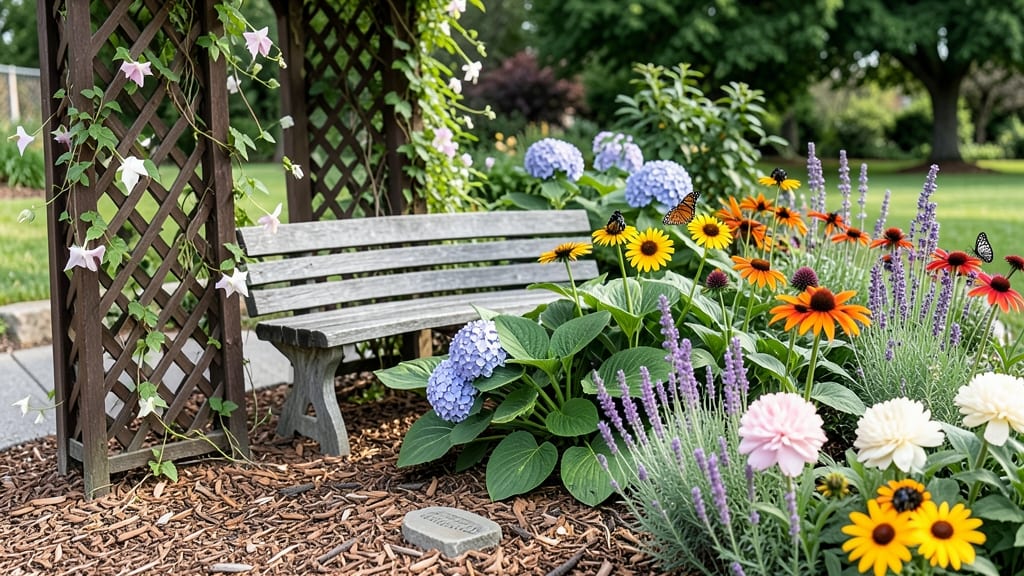
Participating in AHS reciprocal gardens lets you access free seeds, cuttings, or plants through community exchanges that preserve rare varieties and promote sustainable gardening without commercial involvement.
AHS reciprocal gardens operate as grassroots networks where gardeners trade plant materials—seeds, cuttings, or mature plants—without monetary exchange. 🌱 These systems help maintain biodiversity by circulating heirloom varieties that might disappear from commercial markets.
Members often specialize in regional adaptations, sharing plants that thrive in local climates while avoiding seed patents. The focus on collaboration means everyone benefits from collective expertise and rare genetic resources.
Joining typically starts by connecting with your local chapter—many groups list active participants on their websites or social media. Contributions can range from surplus seeds to divisions of perennials, with most networks operating on a "one-for-one" basis to ensure fairness.
Beyond the practical benefits, you'll gain access to gardening advice from experienced members and the satisfaction of preserving plant heritage together.
💡 In This Article
- How AHS Reciprocal Gardens Build Plant Diversity
- Joining and Participating in AHS Reciprocal Gardens
How AHS reciprocal gardens build plant diversity
AHS reciprocal gardens function like a decentralized seed bank, where members act as both suppliers and recipients of plant genetic material. The system relies on a one-for-one exchange model, meaning every seed packet, cutting, or plant division you receive must be shared later with another member.
This creates a self-sustaining cycle that preserves rare varieties that commercial seed companies often overlook due to low market demand. For example, a gardener in Zone 5 might share 100 seeds of 'Cherokee Purple' tomatoes, while receiving 50 seeds of 'Black Krim' tomatoes adapted to a different climate zone.
The real magic happens through regional specialization. Members growing in arid climates share drought-tolerant varieties, while those in humid zones contribute fungal-resistant plants. This localized adaptation ensures the plants thrive in their new environments, creating a living archive of climate-resilient genetics.
The AHS network bypasses seed patents by focusing on open-pollinated varieties—plants that reproduce true to type when saved from seed. This is crucial because patented hybrid seeds (like many commercial varieties) cannot be legally shared or saved, limiting genetic diversity.
Consider how this works in practice: A member in California might send 50 seeds of 'Amante' basil (a heat-tolerant variety) to a gardener in New England, who then shares 20 divisions of 'Russian Sage' perennials—plants that thrive in cooler climates.
The exchange isn't just about plants; it's about knowledge transfer. Each contribution comes with growing tips, like "plant these tomatoes after your last frost date" or "mulch heavily to retain moisture." This collective wisdom helps members adapt plants to their specific microclimates, creating a feedback loop of improvement.
The system also protects against genetic erosion by keeping heirloom varieties in circulation. Many of these plants, like 'Moon and Stars' watermelon or 'Black Spanish' radish, have been cultivated for centuries but face extinction when commercial agriculture prioritizes uniform, patented crops.
AHS reciprocal gardens act as a safety net, ensuring these varieties survive through gardeners' hands rather than corporate seed vaults. The physical exchange of seeds creates a tangible connection to plant heritage that digital seed databases simply can't replicate.
What makes these gardens particularly effective is their non-commercial structure. Unlike seed companies that prioritize profit margins, AHS members focus on plant health, adaptability, and community.
This means you're more likely to find regionally adapted varieties—plants that have been tested and proven to thrive in your specific growing conditions.
For instance, a gardener in Texas might receive seeds of 'Cherokee Trail of Tears' corn, a variety developed to withstand the state's extreme heat and drought, rather than a generic commercial hybrid that might struggle.
The diversity benefits extend beyond just plant varieties. These networks often include exotic or endangered species, like heirloom squash varieties or native wildflowers, that would otherwise disappear from home gardens.
By participating, you're not just getting free plants—you're helping maintain a living library of agricultural biodiversity that future generations can access. The system's strength lies in its grassroots nature: every seed shared is a vote against monoculture and for a more resilient, diverse food system.