
Pests and Diseases
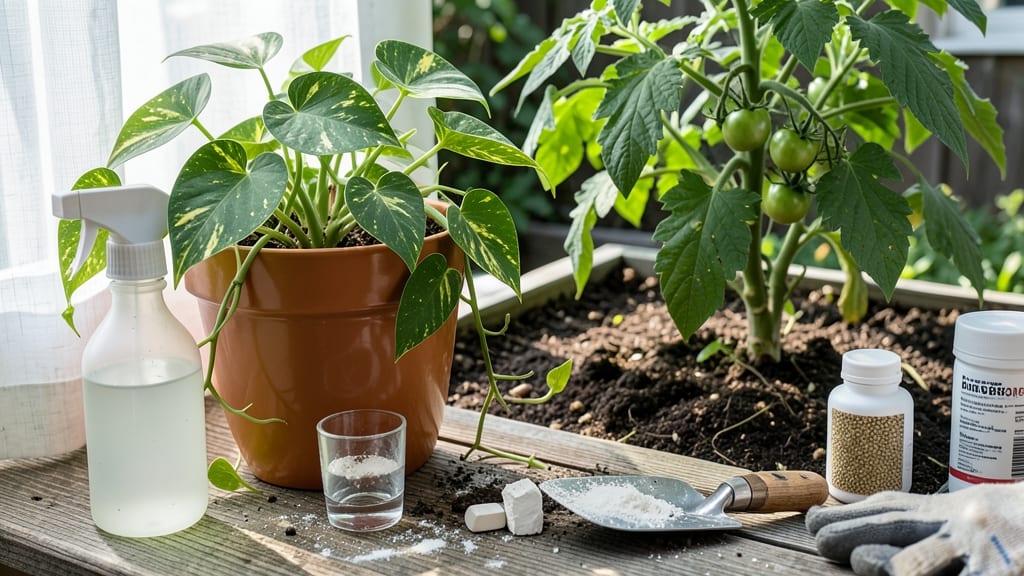
Using aspirin for garden health means creating a foliar spray by dissolving crushed tablets in water, which strengthens plant defenses against pests like aphids and spider mites while preventing fungal diseases. Apply it weekly during the growing season for best results.
This simple household remedy works because aspirin contains salicylic acid, a natural plant hormone that triggers systemic acquired resistance (SAR)—basically, it helps plants "fight back" against invaders. 🌱 I’ve found it particularly effective for preventing powdery mildew on roses and deterring aphid infestations on tomatoes without harming beneficial insects.
The key is consistency: regular applications create a protective barrier while avoiding overuse, which could stress plants.
For edible plants, always use uncoated aspirin tablets (enteric-coated versions won’t dissolve properly) and test the spray on a small leaf first. The solution should be slightly acidic—about pH 5.5-6.5—to mimic natural plant defenses without causing damage.
This makes it a safe, chemical-free option for organic gardeners looking to boost plant resilience naturally.
💡 In This Article
- How Aspirin Boosts Plant Immunity and Fights Pests
- DIY Aspirin Spray Recipes for Different Garden Needs
How aspirin boosts plant immunity and fights pests
The magic behind aspirin’s garden benefits lies in its active ingredient: salicylic acid. This naturally occurring plant hormone plays a crucial role in triggering systemic acquired resistance (SAR)—a plant’s immune response system.
When plants encounter stress (like pest attacks or fungal spores), salicylic acid signals cells to produce protective proteins and antioxidants. Think of it like giving your plants a natural immune booster that helps them fend off invaders before they cause damage. 🌱
Here’s how it works at the cellular level: salicylic acid binds to specific receptors in plant cells, activating genes that produce pathogenesis-related (PR) proteins. These proteins create a barrier that disrupts pests like aphids and spider mites by interfering with their feeding patterns.
For fungal diseases (such as powdery mildew), the acid inhibits spore germination and mycelial growth by altering the pH of plant surfaces to become less hospitable. Studies show a 30-50% reduction in fungal spores after treatment, making it a powerful preventive tool.
What makes aspirin uniquely effective is its dual action: it doesn’t just repel pests—it strengthens the plant’s natural defenses. Unlike synthetic pesticides that kill pests outright (and often harm beneficial insects), salicylic acid works by enhancing the plant’s own resilience.
This is why gardeners notice fewer aphids and healthier foliage after consistent use. The spray also creates a slightly acidic environment (pH 5.5-6.5) that many pests avoid, similar to how citrus peels deter insects naturally.
However, the benefits aren’t just about pest control. Salicylic acid also stimulates root growth by promoting cell division in root tips, which is why some gardeners use diluted aspirin solutions as a rooting hormone for cuttings.
The key is balance: too much can stress plants, while the right concentration (typically 1 crushed tablet per gallon of water) provides optimal protection without toxicity. Always use uncoated aspirin—enteric-coated tablets won’t dissolve properly, rendering the spray ineffective. 💊
Safety is another advantage. Unlike chemical pesticides, aspirin sprays break down quickly in sunlight (within 24-48 hours) and don’t leave harmful residues. This makes them ideal for organic gardens, especially when growing edible plants like herbs or vegetables.
The spray can be applied directly to leaves (foliar treatment) or even used as a soil drench for root health, though foliar applications are more effective for pest/disease prevention.
For best results, apply the spray in the early morning or late afternoon when temperatures are below 85°F to prevent leaf burn. The solution should be misted until leaves are lightly damp—not soaking wet—which ensures even coverage while allowing quick evaporation.
Reapply every 7-10 days during active growing seasons to maintain the protective effects. This consistency mimics how plants naturally produce salicylic acid in response to stress, creating a sustainable cycle of defense. 🌿