
Size
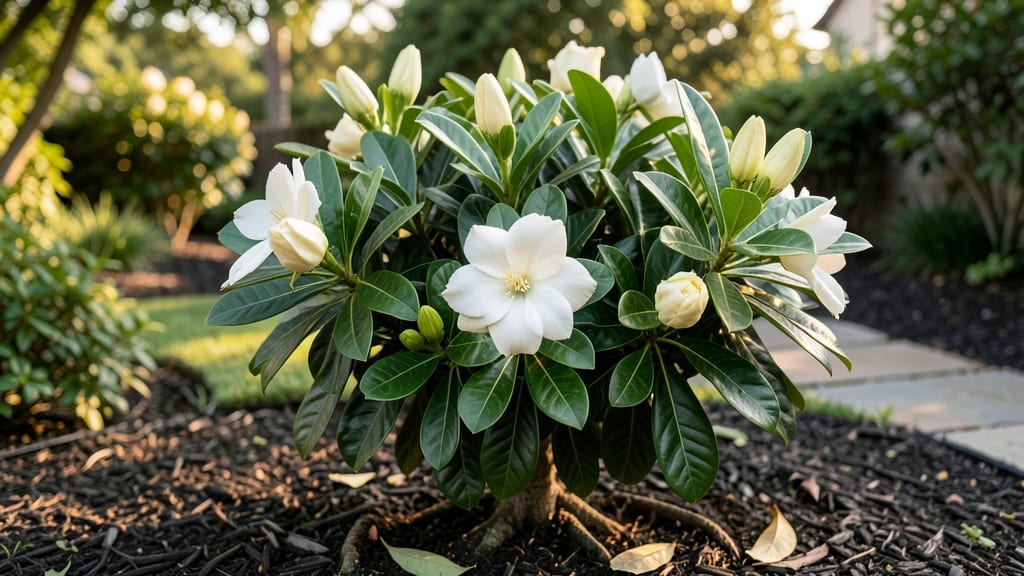
Understanding gardenia growth rate reveals these plants develop gradually, typically maturing in 2 to 5 years while blooming begins 1 to 3 years after planting. Their slow yet steady 6 to 12 inches per year growth reflects their tropical nature, with peak flowering occurring in late spring to summer.
Gardenia's deliberate growth pace stems from its origins in tropical climates where resources are plentiful but competition for sunlight and nutrients is fierce. 🌿 The plant's energy focuses first on establishing a strong root system before dedicating resources to foliage and flowers, which explains why blooming often takes longer than the overall maturity timeline.
In my experience, gardenias in containers tend to grow slightly slower than those planted in-ground due to limited root space, though proper fertilization can help bridge this gap.
What many gardeners overlook is how seasonal changes impact growth rates. For instance, gardenias planted in early spring often show more vigorous growth in their first year compared to those planted in fall, when cooler temperatures can delay root establishment.
The key to accelerating blooming lies in maintaining consistent moisture and providing partial shade during hot afternoons—both critical factors that directly influence how quickly your gardenia will reward you with those fragrant white flowers.
💡 In This Article
- Factors Affecting Gardenia Growth Speed
- Speeding Up Gardenia Blooms: Pro Tips for Faster Maturity
Factors affecting gardenia growth speed
Gardenia growth speed is primarily governed by its tropical origins, where warm temperatures—ideally between 65°F and 75°F—stimulate steady development. 🌿 These plants thrive in USDA hardiness zones 8-11, where consistent warmth allows them to focus energy on root expansion before flowering.
In cooler climates, growth slows dramatically, sometimes halting entirely below 50°F, which explains why gardenias in containers often struggle unless brought indoors during winter.
The soil's acidity plays a crucial role too—gardenia roots prefer a pH between 5.0 and 6.5, mimicking their natural forest-floor habitat. 🌱 A pH above 7.0 locks out essential nutrients like iron and manganese, causing yellowing leaves and stunted growth.
I've seen gardenias double their growth rate within months after amending soil with peat moss or pine bark fines, which naturally acidify the mix. Watering habits matter just as much: gardenias demand consistently moist—but never soggy—soil, as drought stress triggers dormancy and delays blooming.
Sunlight exposure creates another critical balance—gardenia leaves burn under direct sun but become leggy in deep shade. 🌞 The ideal spot offers morning sun and afternoon shade, particularly in hot climates where afternoon rays can exceed 85°F.
Pruning also influences growth patterns: regular trimming of leggy stems encourages bushier, more compact growth, while over-pruning can shock the plant and delay flowering. I've found that pinching back new growth in early spring stimulates denser foliage and earlier blooms.
Climate variations create dramatic differences in growth rates.
For example, gardenias in Florida's humid subtropical zone may reach 18 inches per year, while those in Southern California's Mediterranean climate grow 8-10 inches annually due to drier summers. 🌡️ The key is replicating their native environment as closely as possible—think high humidity (60-70%), partial shade, and protection from cold drafts.
Even a single night below 55°F can set back growth by weeks, making winter protection essential in marginal climates.
One often-overlooked factor is the plant's age—young gardenias allocate most resources to root development, which is why their first year often shows minimal top growth. 🌱 Only after establishing a robust root system (typically by year 2) do they begin investing in foliage and flowers.
This biological priority explains why blooming often takes 1-3 years despite the plant reaching maturity in 2-5 years. Understanding this growth hierarchy helps gardeners set realistic expectations and avoid over-fertilizing young plants.
Container cultivation presents unique challenges: limited root space restricts growth unless you upgrade pots every 2-3 years. 🏺 Gardenias in 15-gallon containers grow about 20% slower than in-ground plants due to restricted root zones, though adding a slow-release fertilizer can help compensate.
The trade-off? Container gardenias flower earlier in their lifecycle because their energy isn't wasted on extensive root systems. This makes them ideal for patio gardeners who want fragrance without waiting years for maturity.