
Tools
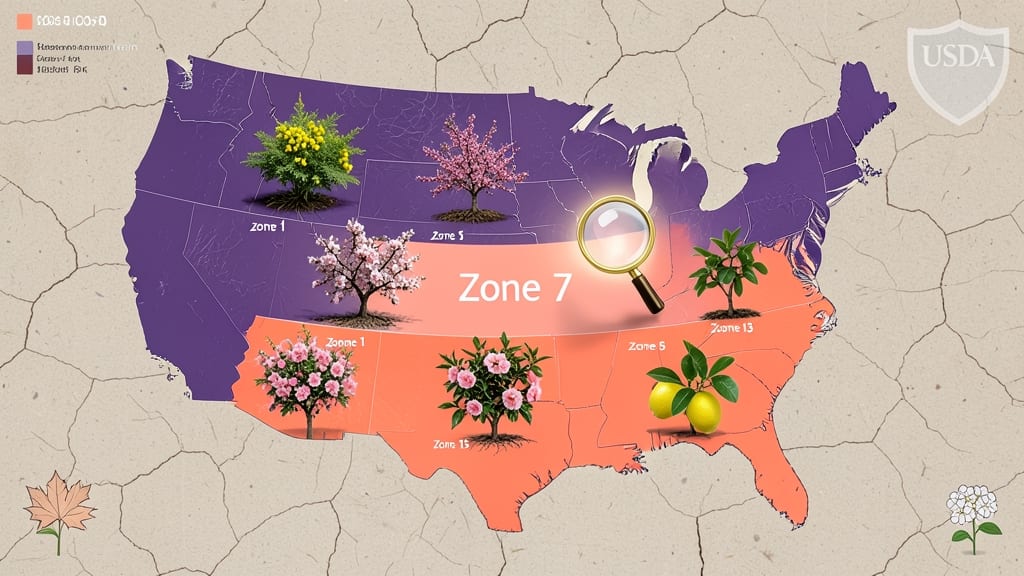
US gardening zones help you identify your local climate conditions so you can choose plants that survive your area’s frost dates, heat tolerance, and seasonal changes. The USDA Plant Hardiness Zone Map lets you find your zone by ZIP code or coordinates for successful planting.
These zones are based on the average annual minimum winter temperatures your area experiences, which directly impacts what plants can survive. 🌱 For example, Zone 5 (average lows of -15°F to -10°F) supports hardy perennials like coneflowers, while Zone 9 (20°F to 30°F) thrives with citrus trees.
The USDA updates its map every few years to reflect shifting climate patterns, so always check the latest version for accuracy.
Beyond just planting, knowing your zone helps with timing—like when to plant cool-season crops or protect tender plants from late frosts. Many nurseries and seed packets list recommended zones, but remember that microclimates (like sunny south-facing walls) can push plants one zone harder than their official rating.
💡 In This Article
- How USDA Plant Hardiness Zones Work
- Practical Guide to Finding and Using Your Gardening Zone
How USDA plant hardiness zones work
The USDA Plant Hardiness Zone Map divides North America into 13 zones based on the average annual minimum winter temperature your area experiences over a 30-year period.
These zones range from Zone 1 (below -50°F) in Alaska to Zone 13 (above 100°F) in Hawaii, with each zone representing a 10°F difference in cold tolerance.
For example, Zone 5 (-15°F to -10°F) is much colder than Zone 8 (10°F to 20°F), which explains why peonies thrive in Zone 5 but citrus needs Zone 9 or warmer. 🌡️
Beyond temperature, the map accounts for frost-free days, which determine growing seasons. A Zone 6 area (average lows of -10°F to 0°F) might have 150 frost-free days, while Zone 10 (30°F to 40°F) stretches to 300+ days.
This affects everything from when to plant tomatoes to whether you can grow tropical plants like bougainvillea. The USDA also includes microclimate adjustments, like urban heat islands (cities can be 5-10°F warmer than rural areas) or slopes (south-facing hills warm up faster).
Climate change is making these zones shift—some areas now experience warmer winters by 1-2 zones compared to older maps. For instance, parts of the Northeast that were Zone 5 in 1990 might now be Zone 6.
The USDA updates its map every 10 years to reflect these changes, so always verify your zone before planting. 🌍
While the USDA system focuses on cold tolerance, other tools like the Sunset Climate Zones (used in Western states) also factor in summer heat and rainfall.
Sunset’s 40 zones help explain why a plant might fail in Zone 7 but thrive in a nearby area with similar winter lows but better summer conditions. This is why gardeners in drier climates (like California) often cross-reference both systems.
Here’s how zones translate to real-world growing: A Zone 4 plant (survives -30°F to -20°F) like a Russian olive tree won’t make it in Zone 9, but a Zone 9 plant like a jasmine vine can’t handle Zone 4’s winters.
The zone numbers on seed packets or nursery tags tell you the coldest temperature a plant can tolerate—so if you’re in Zone 6, stick to plants labeled Zone 5 or higher. ❄️