
Tools
Creating natural garden repellents lets you protect your plants from deer, rabbits, and insects using safe, kitchen-based ingredients like garlic, chili peppers, and citrus peels. These homemade solutions break down naturally, avoid harsh chemicals, and align perfectly with organic gardening goals while often costing pennies per application.
Many gardeners discover these repellents work because pests have highly sensitive olfactory systems. 🌱 For example, the sulfur compounds in garlic trigger avoidance in burrowing animals, while capsaicin from chili peppers creates an unpleasant experience for insects that land on treated plants.
Citrus peels release limonene, which disrupts insect pheromone trails and confuses navigation systems. The beauty of these methods is their dual effectiveness—they repel while also nourishing soil when decomposed.
I’ve found that combining garlic with cayenne pepper creates a particularly potent spray for aphids, while coffee grounds form an excellent barrier against slugs when sprinkled around young seedlings.
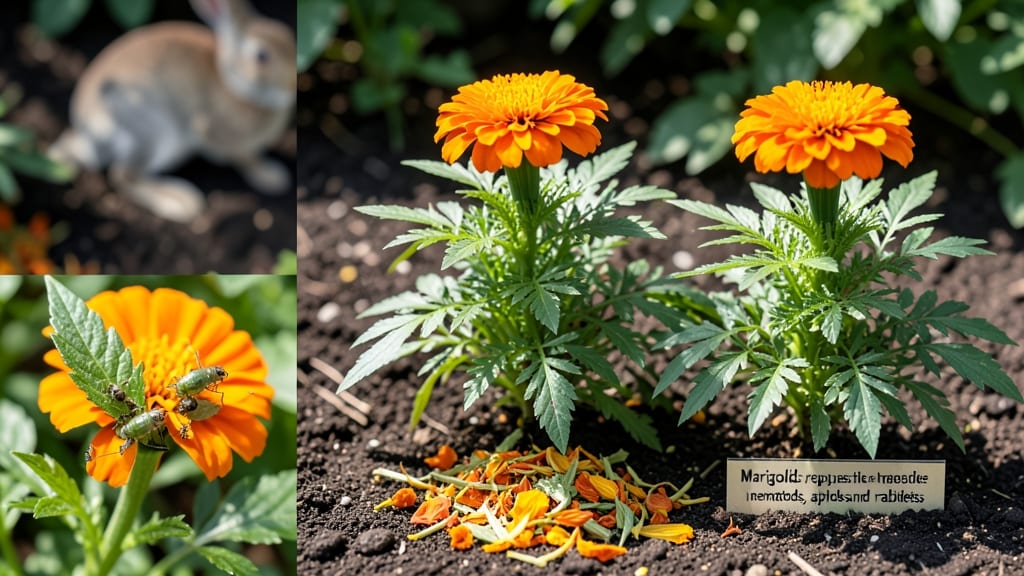
What sets these solutions apart is their adaptability. You can tailor formulations to target specific pests—like using vinegar and water for spider mites or planting marigolds as a living deterrent for nematodes. The key is consistency: reapply after rain or every few weeks to maintain protection.
Unlike commercial chemicals, these ingredients won’t harm beneficial insects like bees or earthworms, making them ideal for eco-conscious gardeners.
💡 In This Article
- How Natural Ingredients Disrupt Pest Behavior
- DIY Natural Repellent Recipes for Common Garden Pests
How natural ingredients disrupt pest behavior
Pests like deer, rabbits, and insects rely heavily on their sense of smell to locate food and shelter. When you use natural repellents, you're essentially hijacking their sensory systems with compounds that trigger avoidance responses.
For example, garlic contains sulfur compounds like allicin, which emit a pungent odor that many mammals and insects find overwhelming. Studies show that even diluted garlic extracts can reduce burrowing activity in rabbits by up to 70% because the strong aroma masks the scent of fresh vegetation they seek.
The capsaicin in chili peppers works differently—it creates an unpleasant experience for insects that land on treated plants.
This compound irritates their mouthparts and legs, making them avoid the area entirely. 🌶️ Research published in the Journal of Chemical Ecology found that capsaicin-based sprays reduced aphid populations by 50-60% within a week, as the insects actively avoided plants coated with even low concentrations of pepper extract.
The heat you feel from chili peppers is essentially what deters these tiny garden invaders.
Citrus peels release limonene, a compound that disrupts insect communication systems. Limonene interferes with pheromone trails, confusing insects like ants and beetles that rely on these chemical signals to navigate. This is why citrus-based repellents are particularly effective against crawling pests—they can't follow their usual paths to food sources.
The fresh, bright aroma of citrus also acts as a natural mask, making your plants less appealing to foraging animals like deer.
Essential oils from plants like rosemary, peppermint, and eucalyptus contain compounds that repel pests through their strong, complex aromas. These oils often include monoterpenes, which have been shown to disrupt the nervous systems of insects at low concentrations.
A 2017 study in Scientific Reports demonstrated that peppermint oil repelled cabbage moths with 100% effectiveness when applied as a spray, as the insects' antennae were overwhelmed by the oil's volatile compounds.
What makes these natural ingredients so powerful is their multi-sensory impact. For instance, the combination of garlic's sulfur compounds and chili's capsaicin creates a two-pronged attack: the smell repels pests, while the taste causes discomfort. This dual mechanism is why homemade sprays often work better than single-ingredient solutions.
The key is understanding which pests respond to which compounds—deer, for example, are particularly sensitive to strong odors like those from predator urine or rotten eggs, while insects may be deterred more by taste-based irritants.
One fascinating aspect is how these repellents work at the cellular level. For example, capsaicin binds to TRPV1 receptors in insects' nervous systems, similar to how it creates a burning sensation in humans. This binding triggers avoidance behaviors without harming the pests.
Meanwhile, sulfur compounds in garlic can actually alter the microbial environment in soil, making it less hospitable to burrowing pests like grubs. 🌱 This dual action—both behavioral disruption and environmental modification—is what makes natural repellents so effective in organic gardening systems.