
Tools
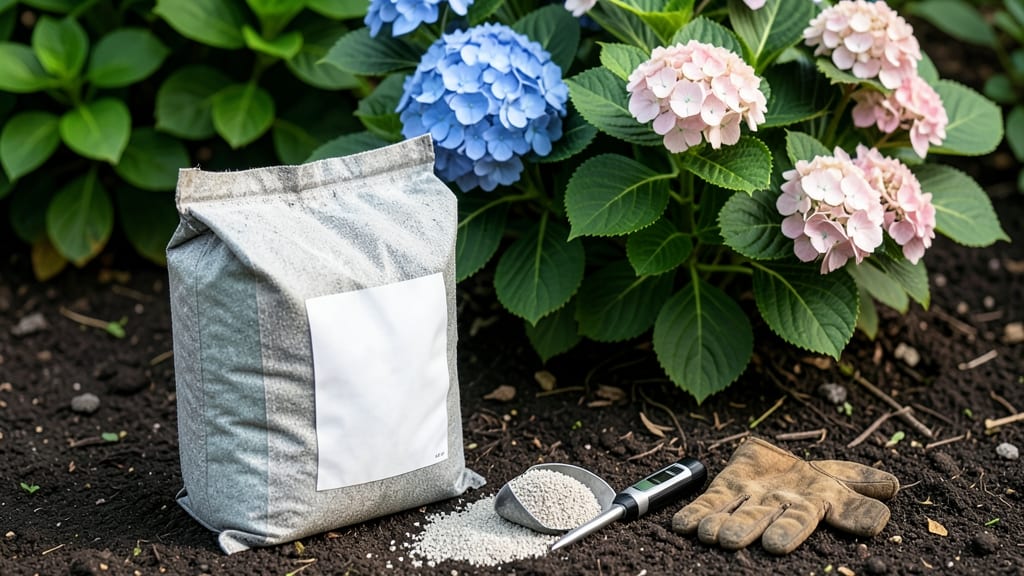
Garden lime for hydrangeas raises soil pH quickly, turning blue blooms pink by neutralizing acidic soil, while also providing essential calcium and magnesium for root health. Apply sparingly—too much can overcorrect pH levels.
Using garden lime is one of the fastest ways to shift your hydrangeas' color palette from blue to pink, but it's not just about aesthetics. 🌸 The lime adjusts soil acidity by introducing calcium carbonate, which buffers the pH—critical for hydrangeas that thrive in slightly acidic to neutral soil (5.2–6.0).
Too little lime leaves blooms blue, while just the right amount triggers those signature pink hues. I always recommend testing soil first, since overdoing it can actually harm roots by making the soil too alkaline.
Here's the key: lime works best when applied in fall or early spring, giving it time to integrate before the growing season.
Start with about 5 pounds per 100 square feet for acidic soil, but check your soil test results first—this amount can vary based on your garden's current pH. The goal is gradual adjustment, not a drastic pH swing, which can stress your plants.
💡 In This Article
- How Garden Lime Adjusts Soil pH for Hydrangea Color
- Step-by-Step Guide to Applying Garden Lime for Hydrangeas
How garden lime adjusts soil pH for hydrangea color
Garden lime, primarily composed of calcium carbonate (CaCO₃), works like a chemical buffer in your soil. When applied, it reacts with hydrogen ions (H⁺) in acidic soil, neutralizing them through a simple acid-base reaction.
This process converts the acidic hydrogen into water and carbon dioxide while releasing calcium ions, which helps stabilize soil structure.
For hydrangeas, this pH adjustment is critical because their bloom color depends on aluminum availability—acidic soil (pH <5.2) makes aluminum soluble, producing blue flowers, while neutral soil (pH 6.0+) reduces aluminum uptake, yielding pink blooms.
The ideal pH range for hydrangeas sits between 5.2 and 6.0, where the plant can access the right balance of nutrients without stress. Garden lime raises pH gradually, typically shifting it by 0.5 to 1.0 points per application, depending on your soil's buffering capacity.
Sandy soils change faster than clay-heavy soils because they hold fewer nutrients. 🌱 For example, if your soil tests at pH 4.8 (very acidic), a single application of 10 pounds of lime per 100 square feet might push it to pH 5.5—enough to turn blue blooms pink within a season.
What most gardeners don't realize is that lime doesn't just alter pH—it also supplies essential minerals. Calcium strengthens cell walls, while magnesium boosts chlorophyll production, both of which improve overall plant vigor.
However, the relationship between pH and color is direct: hydrangeas produce delphinidin-based anthocyanins (blue/purple) in acidic soil and cyanidin-based anthocyanins (pink/red) in neutral soil. This chemical shift happens at the cellular level, where pH affects enzyme activity in the flower's pigment pathways.
Timing matters because lime takes 2-3 months to fully integrate into the soil profile. Applying it in fall gives it time to work over winter, while spring applications risk overcorrecting pH before blooming season.
Over-liming can create a pH >7.0 environment, which locks out essential nutrients like iron and manganese, causing yellowing leaves—a condition called chlorosis. Always test soil before and after applying lime to avoid this common mistake.
For visual confirmation, I've seen hydrangeas shift from deep blue to soft pink within 4-6 weeks after proper liming, especially in well-draining soil.
The color change isn't instant—it takes time for the plant to metabolize the new pH conditions. 🌸 In my own garden, 'Endless Summer' hydrangeas responded dramatically after a single application, proving that pH adjustment can transform both soil health and floral displays.
Consider these key factors when adjusting pH:
- Soil type: Clay holds lime longer than sand (requires more frequent testing)
- Current pH: pH <5.0 needs aggressive treatment; pH 5.5-6.0 requires gentle adjustments
- Organic matter: Composted materials buffer pH changes naturally