I remember the first tomato I grew from seed—it was tiny, red, and tasted like sunshine on a summer afternoon. That moment hooked me for life. Now, I spend my days digging into soil, chasing the perfect bloom, and sharing the little joys of gardening that make it all worthwhile. This site is where I pass along the lessons I’ve learned, the plants that thrive in my zone, and the quiet magic of watching something grow from nothing.
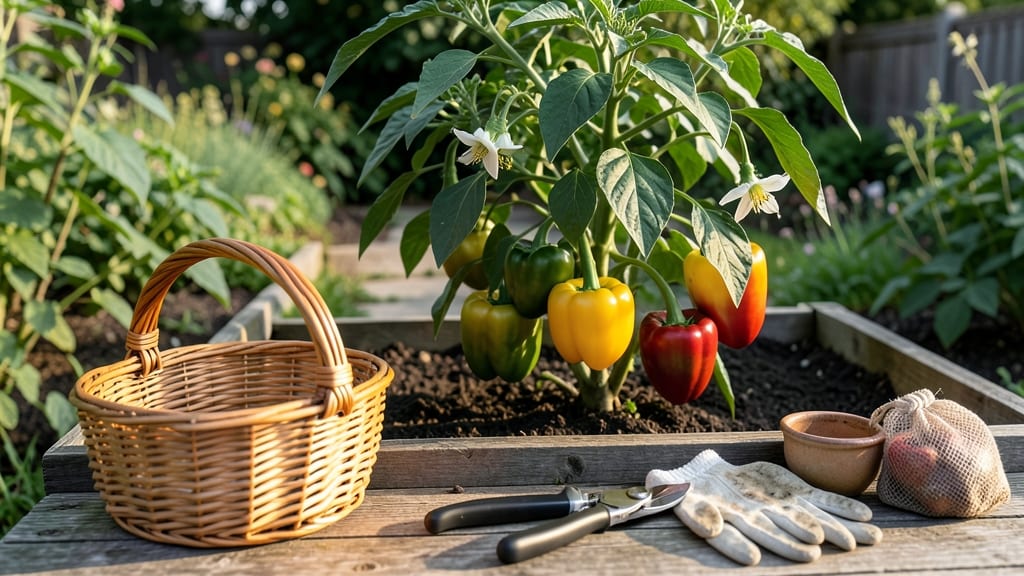
💥 Quick Answer What to do with peppers from your garden includes using them fresh in salads, roasting for flavorful sides, pickling for crunchy snacks, or preserving through drying, freezing, or fermenting. Creative…
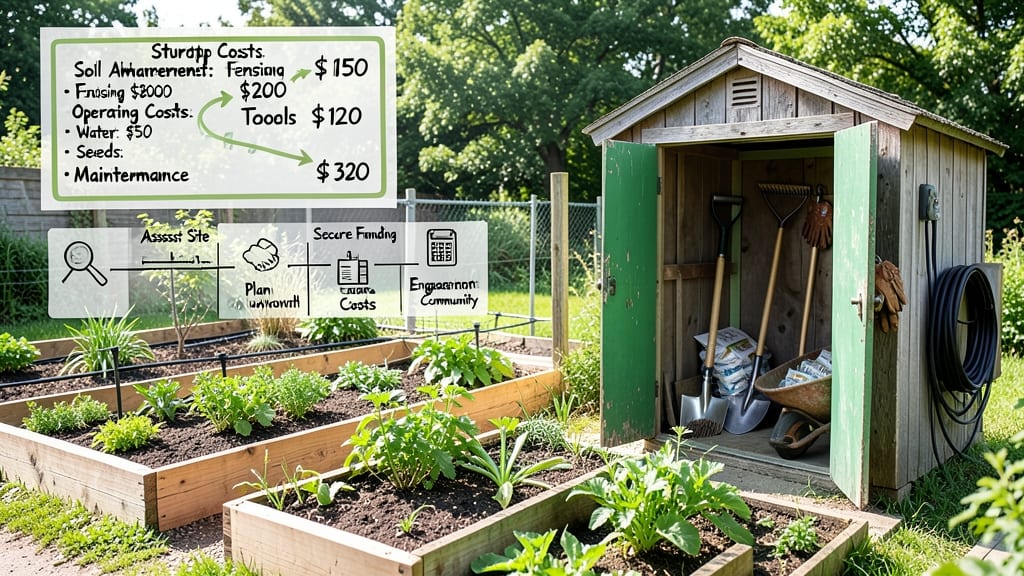
💥 Quick Answer A community garden startup budget and operating costs feasibility study must account for land acquisition ($5,000–$50,000), soil preparation ($1,000–$5,000), and essential tools ($500–$2,000), alongside…
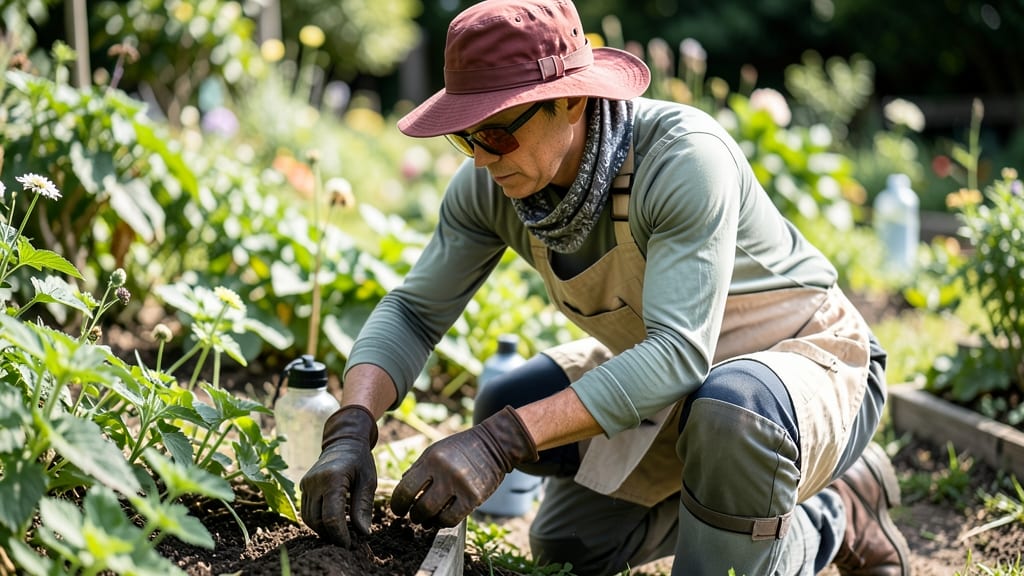
💥 Quick Answer Gardeners wear breathable, protective clothing like long-sleeved shirts, durable pants, closed-toe shoes, and wide-brimmed hats to shield against sun, insects, and debris while allowing mobility. Seasonal…
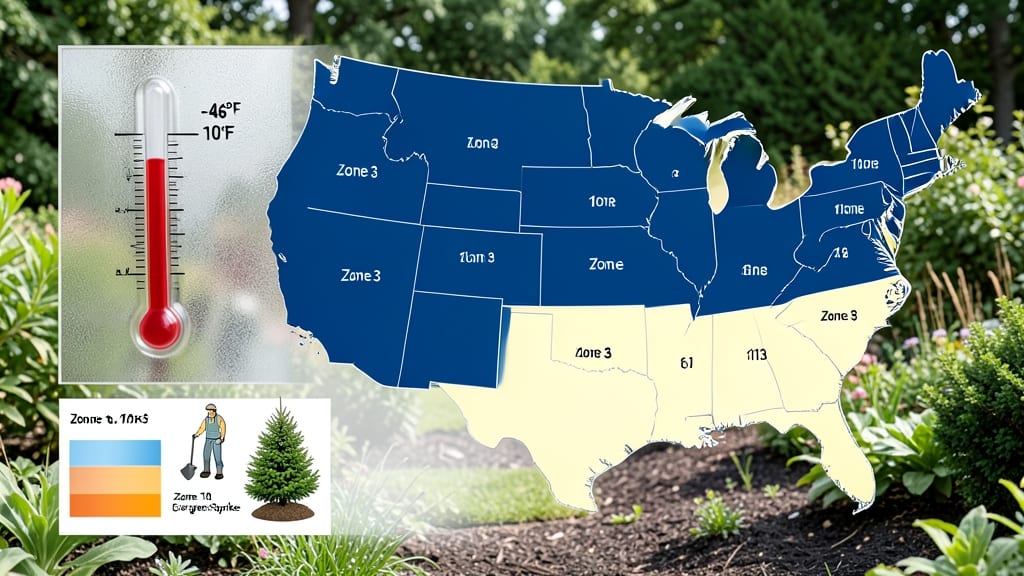
💥 Quick Answer To find your gardening zone, look up your ZIP code on the USDA Plant Hardiness Zone Map, which reveals your 5-11 zone number (like Zone 7a) based on average winter temperatures. This zone tells you which…
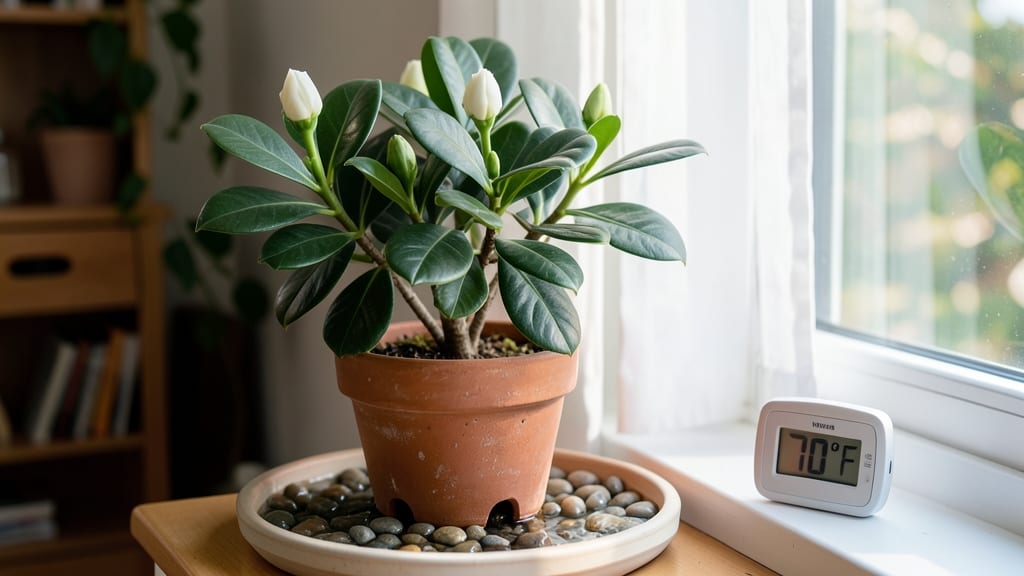
💥 Quick Answer Gardenias can be grown indoors with proper care: place them near bright, indirect light, maintain 60-70% humidity, and prune regularly to encourage blooming. Their tropical needs require consistent warmth…
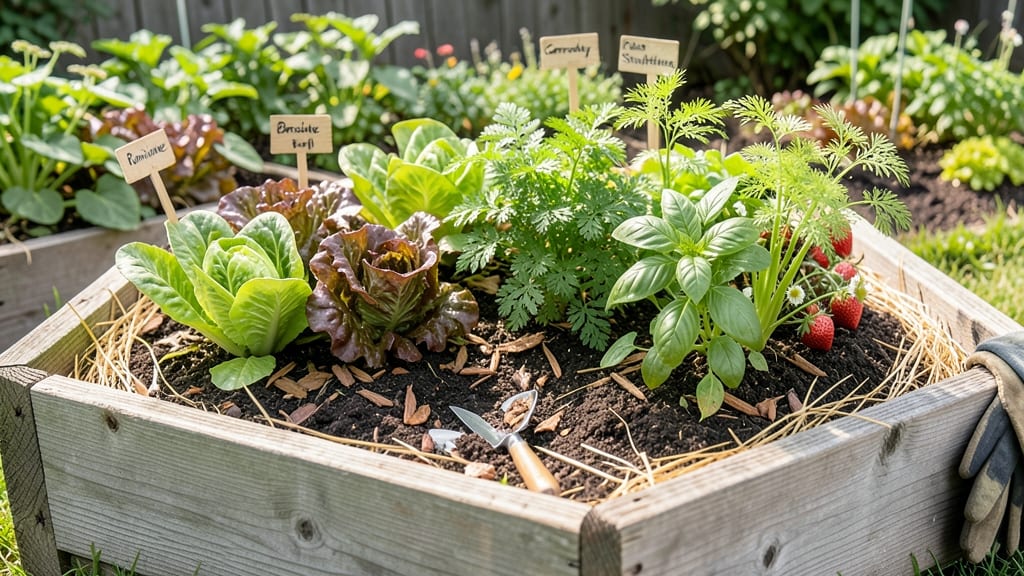
💥 Quick Answer The benefits of raised garden beds include superior soil drainage, deeper root development, and fewer weeds while preventing soil compaction. They also reduce pests naturally and help plants thrive in…
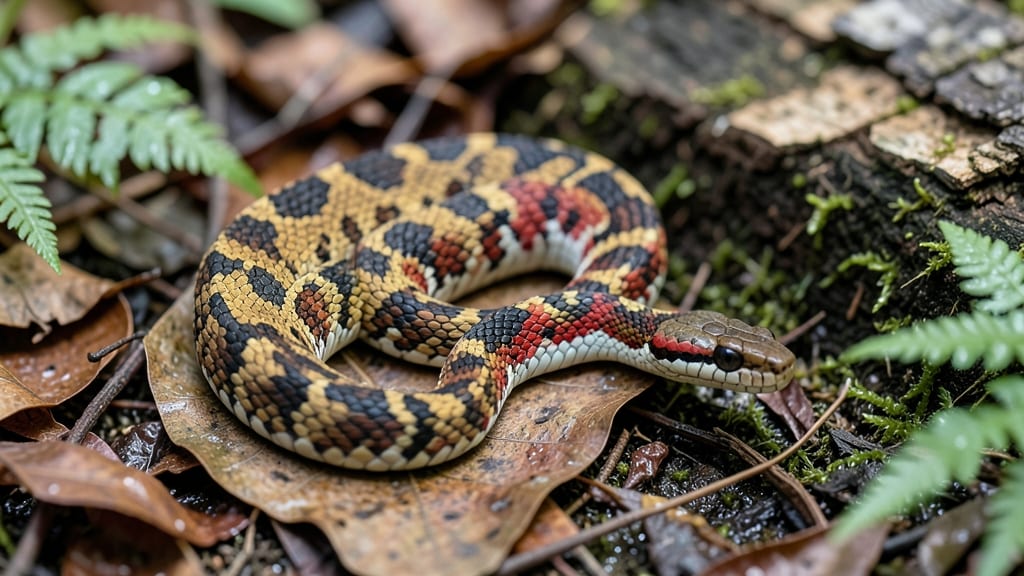
💥 Quick Answer Louisiana garden snakes include species like the rat snake, corn snake, and scarlet kingsnake, which are non-venomous and beneficial for controlling pests. Identify them by color patterns, habitat, and…
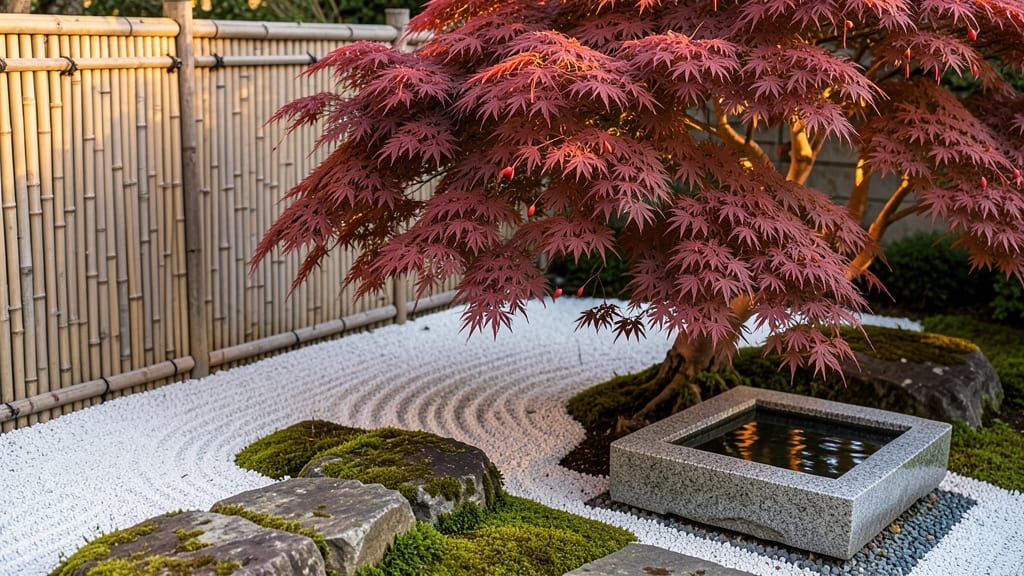
💥 Quick Answer A Japanese garden in Los Angeles creates tranquil retreats by harmonizing classic elements like serene water features, carefully pruned bamboo, and thoughtfully placed rocks with Southern California's…
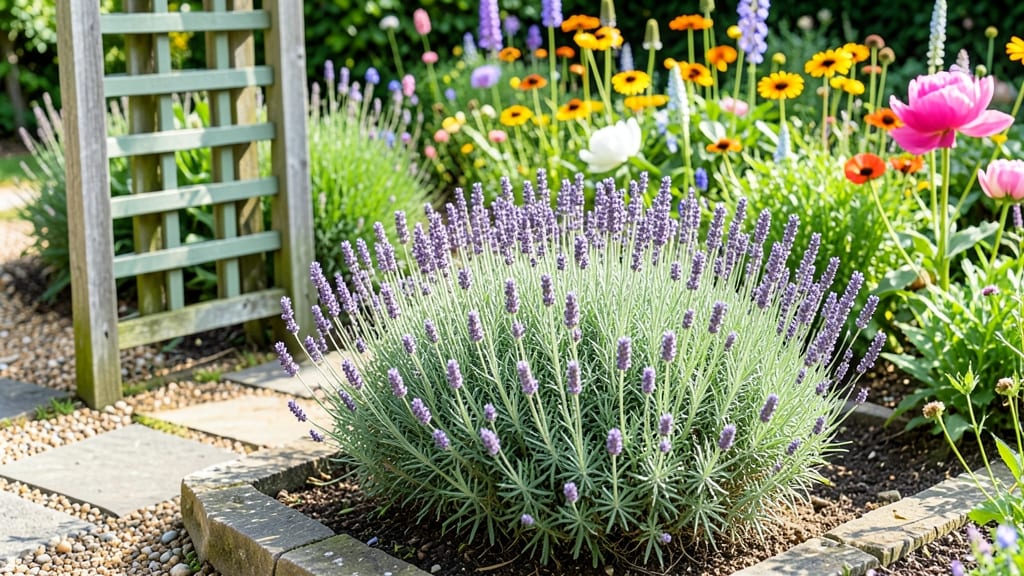
💥 Quick Answer A cottage garden in Waupaca, WI thrives with native perennials like bee balm, coneflowers, and milkweed, alongside nectar-rich blooms such as columbine and hollyhock to attract hummingbirds and…
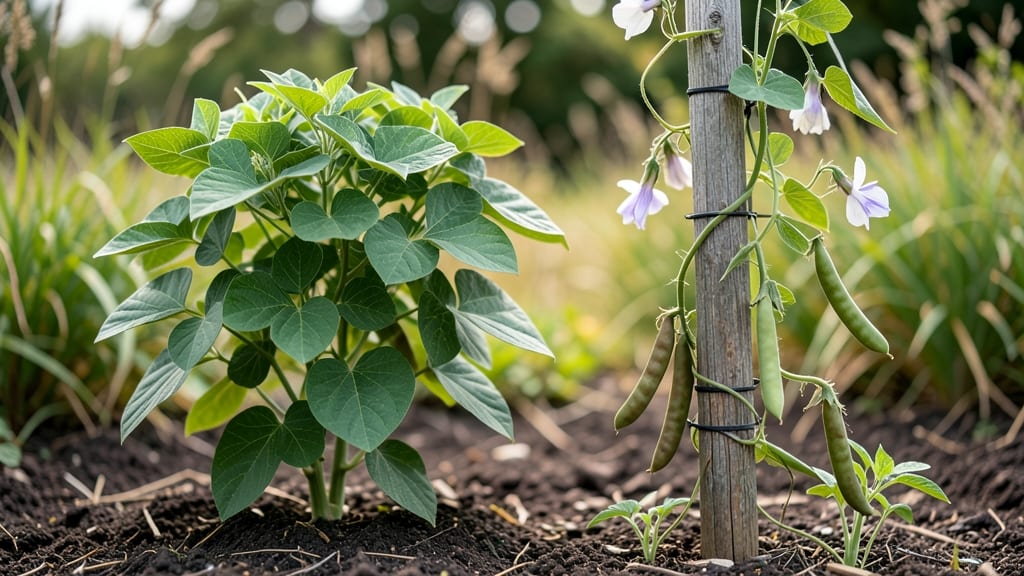
💥 Quick Answer You can grow a garden from a can of beans if they're non-GMO, heirloom, or organic varieties like navy, pinto, or black beans, planted properly in moist soil or paper towels. Avoid salted or preserved…