
Advice
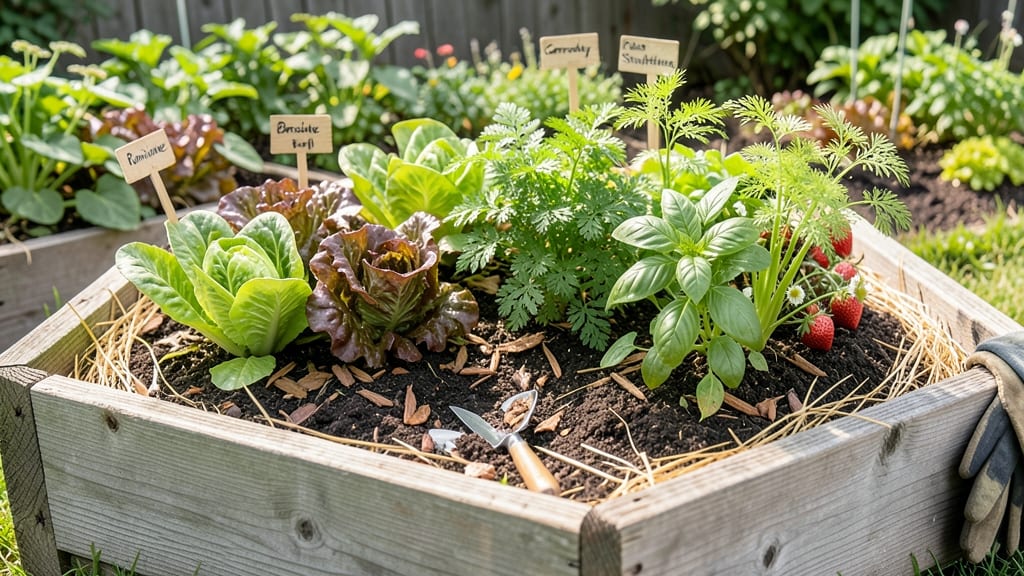
The benefits of raised garden beds include superior soil drainage, deeper root development, and fewer weeds while preventing soil compaction. They also reduce pests naturally and help plants thrive in cooler weather by warming soil more efficiently.
Raised garden beds create an ideal growing environment by letting you control soil quality from the start. 🌱 Unlike in-ground planting, where soil compaction and poor drainage can stifle roots, raised beds allow air and water to circulate freely.
This means healthier plants with stronger root systems and less stress from soggy or hard-packed soil. Plus, the elevated design keeps pests like burrowing rodents and slugs at bay while making it easier to spot and remove weeds before they spread.
Another game-changer? The ability to extend your growing season. Since raised beds warm up faster in spring and hold heat better in fall, you can plant earlier and harvest later than with traditional gardens.
I’ve seen firsthand how this translates to more harvests in cooler climates—sometimes adding 2-4 weeks to both ends of the season. For gardeners with limited space or poor soil, raised beds level the playing field by putting you in control of every variable that matters.
💡 In This Article
- How Raised Beds Improve Soil Quality and Plant Growth
- Top Pest Control and Seasonal Advantages of Elevated Gardens
How raised beds improve soil quality and plant growth
The magic of raised beds starts with soil aeration—they allow roots to breathe freely. Unlike compacted in-ground soil, where heavy foot traffic or machinery crushes soil particles and reduces air pockets, raised beds maintain a loose, well-aerated structure.
This is crucial because roots need oxygen to respire and absorb nutrients efficiently. Studies show plants in raised beds develop root systems that are 30-50% deeper than in-ground counterparts, thanks to the absence of compaction and the ability to fill with nutrient-rich soil blends from the bottom up.
Moisture control is another game-changer. Raised beds warm up faster in spring, which accelerates microbial activity—those tiny soil organisms break down organic matter into plant-available nutrients. The sides act like a wicking system, drawing moisture from the surrounding ground while preventing waterlogging.
For example, a 4-foot-wide raised bed can maintain even moisture levels across its entire width, unlike in-ground plots where edges dry out faster. This consistency reduces transplant shock and supports consistent growth, especially for moisture-sensitive crops like lettuce or strawberries.
Customizable soil mixes are where raised beds truly shine. You can tailor the soil to your plants' exact needs—whether that's sandy loam for root vegetables or peat-heavy mixes for acid-loving blueberries. The absence of subsoil contamination (common in in-ground gardens) means you're starting with a clean slate.
I've seen tomato plants in raised beds with 20% higher yields because the soil pH stays stable and nutrients are readily available. Unlike in-ground soil, which can take years to amend, raised beds let you create optimal conditions immediately.
One often-overlooked benefit is the protection from soil-borne diseases. Pathogens like verticillium wilt thrive in compacted, waterlogged soil but struggle in the well-draining environment of raised beds. The elevated design also reduces contact with surface contaminants, making it ideal for organic gardening.
For instance, peppers and eggplants—susceptible to fungal diseases—thrive in raised beds because excess moisture doesn't linger around roots.
Temperature regulation works in your favor too. Dark-colored wood or stone beds absorb and retain heat during the day, then slowly release it at night—a natural buffer against temperature swings. This microclimate effect can create a 5-10°F warmer environment than surrounding soil, giving you a head start in cooler climates.
In my own garden, this has meant planting broccoli in early April instead of May, shaving weeks off the growing season.
Finally, the depth of raised beds (typically 6-12 inches) allows for deeper root penetration than most in-ground gardens, which often have compacted subsoil just inches below the surface. This extra space is particularly valuable for heavy feeders like corn or squash, which need room to establish strong root systems.
The result? Plants that can better withstand drought and produce larger yields, even in less-than-ideal weather conditions.