
Tools
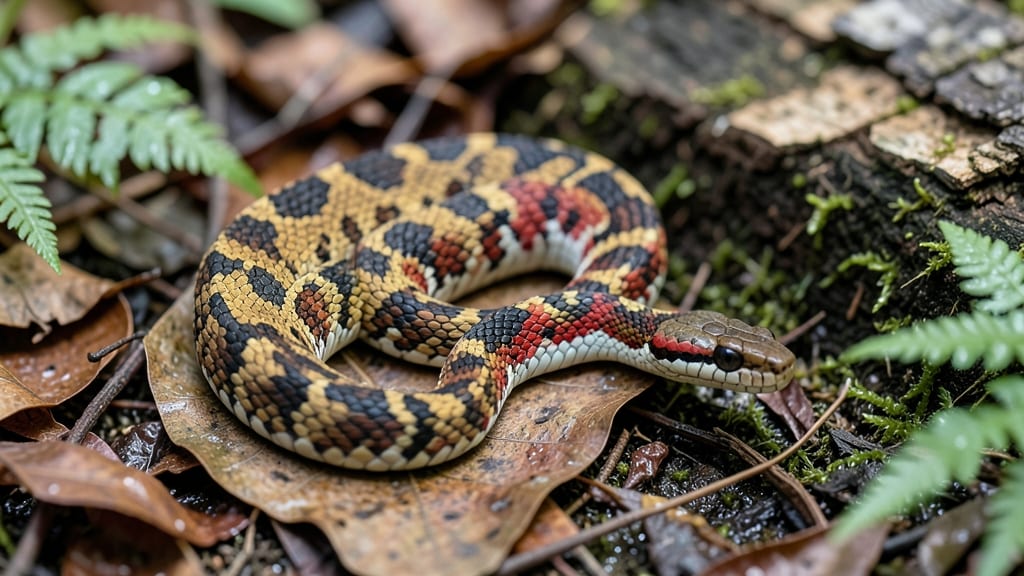
Louisiana garden snakes include species like the rat snake, corn snake, and scarlet kingsnake, which are non-venomous and beneficial for controlling pests. Identify them by color patterns, habitat, and behavior to ensure safe coexistence in your yard.
If you're spotting snakes in your Louisiana garden, don't panic—most are harmless and actually help by keeping rodent populations in check. 🐍 The rat snake often sports gray with dark blotches, while the scarlet kingsnake mimics coral snake coloring (but with red touching yellow bands) to deter predators.
These snakes prefer wooded edges and brush piles, so clearing debris can reduce sightings without harming them. Knowing their habits helps you appreciate their role in your ecosystem while keeping your space safe.
For homeowners, the key is distinguishing these beneficial snakes from venomous species like the copperhead, which has hourglass-shaped markings and a thicker body. If you're unsure, observe from a distance—snakes rarely strike unless threatened. Securing trash cans and sealing gaps in your foundation also discourages unwanted visitors without cruelty.
💡 In This Article
- How to Identify Common Louisiana Garden Snakes
- Safe Coexistence: Tips for Gardeners Sharing Space with Snakes
How to identify common Louisiana garden snakes
Louisiana's garden snakes primarily include three non-venomous species: the rat snake (often called the black rat snake), the corn snake, and the scarlet kingsnake. Each has distinct visual traits that help with identification.
The rat snake typically measures 3-6 feet long with smooth scales and a gray or brown base color adorned with dark blotches along its back. These snakes have a distinctive feature—a white chin—and their eyes are large with round pupils. 🐍
The corn snake is usually 2-5 feet in length, sporting a reddish-orange base with darker brown saddle-like markings. Their scales are smooth, and they have a white or yellow belly with dark spots.
Unlike the rat snake, corn snakes often have a more uniform pattern and are frequently found in abandoned burrows or under logs. Their smaller size and vibrant coloring make them easier to spot during daytime foraging sessions.
Perhaps the most visually striking is the scarlet kingsnake, which mimics the dangerous coral snake but with a crucial difference: its red bands always touch the yellow ones (coral snakes have black separating red and yellow).
These snakes grow 2-4 feet long and have smooth, shiny scales with a black base color. They prefer moist environments like swamps or marshes but may wander into gardens during cooler months. Their bright colors serve as a warning to predators that they're toxic when threatened.
Habitat plays a key role in identification too. Rat snakes favor wooded areas and often climb trees or shrubs to hunt birds and small mammals. Corn snakes prefer drier habitats like fields or abandoned structures, while scarlet kingsnakes thrive near water sources.
Observing where you spot these snakes—whether on tree branches, under mulch, or near water—can help confirm their species and reduce confusion with venomous look-alikes.
Behavior also aids in identification. Rat snakes are bold and may even enter garages or sheds in search of food, while corn snakes are more secretive and rarely seen during the day.
Scarlet kingsnakes are often found buried in leaf litter or under rocks, using their smooth scales to glide silently. Understanding these habits helps you predict where and when you might encounter each species in your garden. 🌿
For accurate identification, use a field guide or smartphone app that focuses on Louisiana herpetofauna. These tools provide side-by-side comparisons of key features like scale patterns, head shapes, and body proportions.
If you're still unsure, take a photo from a safe distance (at least 6 feet away) and consult a local wildlife expert—many universities offer free identification services for residents.