
Flowers
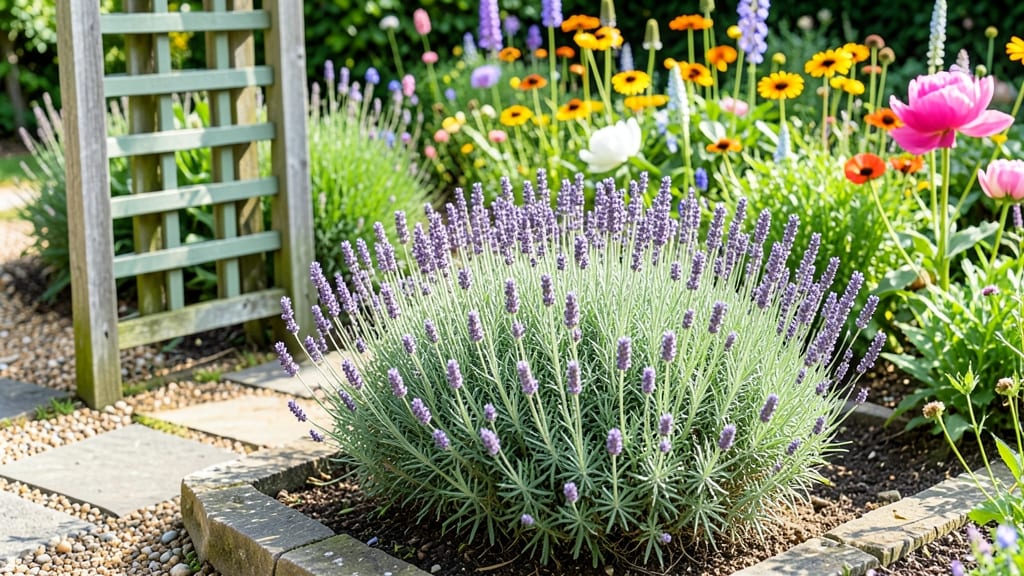
A cottage garden in Waupaca, WI thrives with native perennials like bee balm, coneflowers, and milkweed, alongside nectar-rich blooms such as columbine and hollyhock to attract hummingbirds and pollinators while embracing the region’s cool summers and moist soil conditions. Focus on layered planting with drought-tolerant species for low-maintenance beauty.
A Waupaca cottage garden should prioritize plants that thrive in the area's cool, humid summers and acidic loam soil. 🌿 Native species like purple coneflower and wild bergamot not only survive with minimal care but also provide essential nectar for hummingbirds and bees throughout the growing season.
The key to success lies in selecting perennials that return year after year, reducing the need for replanting while maintaining vibrant color. Layering taller plants like hollyhock at the back with mid-height blooms such as bee balm creates visual depth that enhances the garden's charm.
This approach also aligns perfectly with Waupaca's ecological goals by supporting local pollinators. The combination of moisture-loving plants and drought-tolerant varieties ensures your garden remains lush without constant watering. For best results, start with well-draining soil and use organic mulch to retain moisture while suppressing weeds.
The result is a garden that feels both effortless and stunningly alive throughout the seasons.
💡 In This Article
- Best Native Wisconsin Flowers for Hummingbird and Pollinator Gardens
- Designing a Low-Maintenance Cottage Garden for Waupaca’s Climate
Best native Wisconsin flowers for hummingbird and pollinator gardens
Waupaca's climate—marked by cool summers (average highs of 75-80°F) and moist, acidic soil—creates perfect conditions for native Wisconsin flowers that thrive with minimal intervention.
Purple coneflower (Echinacea purpurea), for instance, not only tolerates drought but produces bright pink-purple blooms from July to September, providing nectar for hummingbirds and bees during their peak foraging seasons. Its deep roots also help prevent soil erosion while requiring little water once established.
The real magic happens in how these plants support pollinators. Wild bergamot (Monarda fistulosa), with its lavender spikes, attracts hummingbirds with its high nectar concentration and bees with its flat-topped clusters.
What's fascinating is its dual bloom cycle: it flowers in early summer and often reblooms in fall, giving pollinators two chances to feed.
Milkweed (Asclepias syriaca) takes this further by hosting monarch butterfly caterpillars—its fuzzy seed pods become a vital food source for these endangered insects during their migration.
Seasonal timing is everything in Waupaca. Early bloomers like columbine (Aquilegia canadensis) provide pollen in May-June when few other flowers are available, while late-season bloomers like goldenrod (Solidago spp.) keep bees active into October.
This continuous food supply is why native gardens become pollinator hotspots—unlike non-native plants that often offer limited nutritional value. The key is planting species that bloom sequentially, ensuring pollinators always have access to food.
Don't overlook the sensory benefits these plants bring. Bee balm (Monarda didyma) releases a minty-sweet fragrance that fills the air when brushed against, while hollyhock (Alcea rosea) towers at 5-6 feet tall, creating vertical interest that hummingbirds love to investigate.
The combination of these textures and aromas transforms your garden into a living ecosystem where every visit reveals new activity—whether it's bees buzzing between blooms or hummingbirds darting between stems.
For maximum impact, pair these natives with companion plants that share similar growing conditions. For example, plant black-eyed Susan (Rudbeckia hirta) alongside coneflowers—their complementary yellow blooms extend the color season while both thrive in full sun.
The result is a garden that feels both wildly natural and meticulously designed, requiring only occasional deadheading to keep blooms coming.
What most gardeners don't realize is how these plants work together to create a self-sustaining system. The deep roots of coneflowers prevent soil compaction, while the shallow roots of clover (Trifolium spp.) fix nitrogen in the soil—reducing the need for fertilizers.
This natural synergy means your garden becomes more resilient each year, with fewer weeds and healthier plants that require less watering once established.